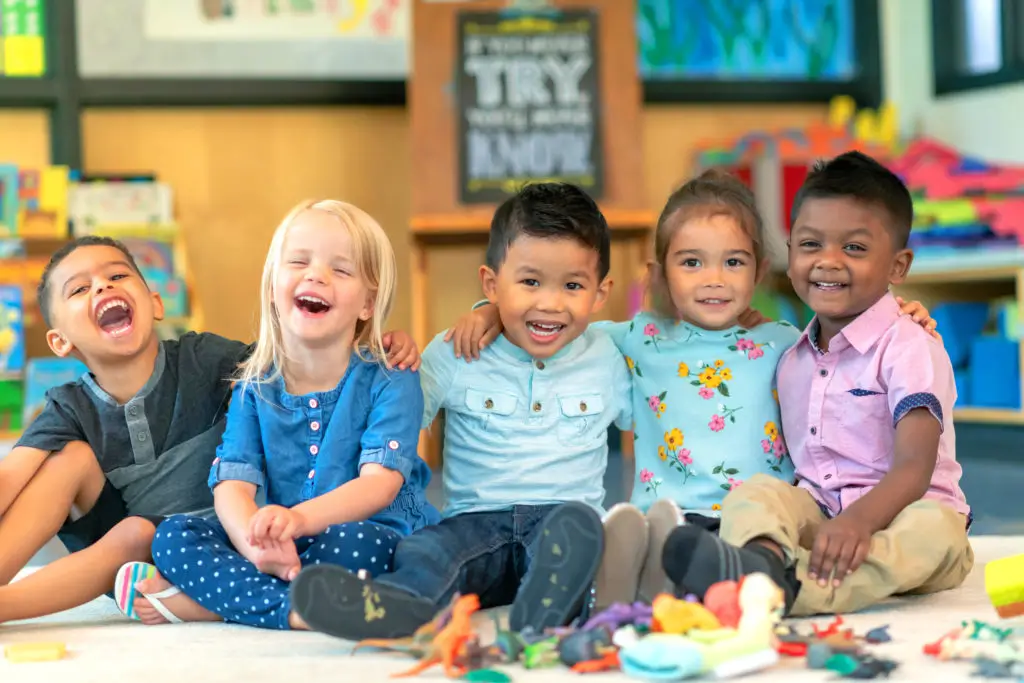

In early childhood education, ensuring the effectiveness of teaching methods is critical. Teachers and caregivers use a variety of assessment and evaluation tools to ensure that they are delivering the best possible educational experiences. Fidelity tools, like TPOT and TPITOS, are essential in this process, measuring the alignment of practices with research-based strategies and ensuring that they are being implemented effectively. These tools are specifically designed to assess how well educators are applying the Teaching Pyramid Model, which emphasizes social-emotional development and positive teacher-child interactions. While both tools aim to support early childhood professionals, they differ in their target age groups and specific areas of focus.
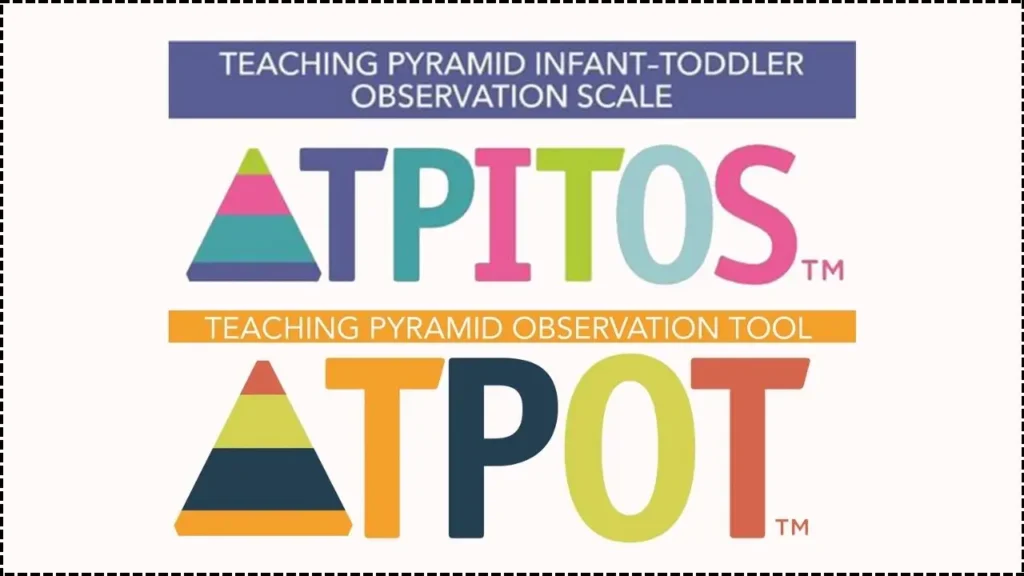
This article delves into the differences and similarities between TPOT (Teaching Pyramid Observation Tool) and TPITOS (Teaching Pyramid Infant-Toddler Observation Scale), helping educators and caregivers understand how to use these tools to enhance the developmental outcomes for children in their care. We’ll explore how each tool works, their unique features, and how they can be applied to improve early childhood education practices.
Table of Contents
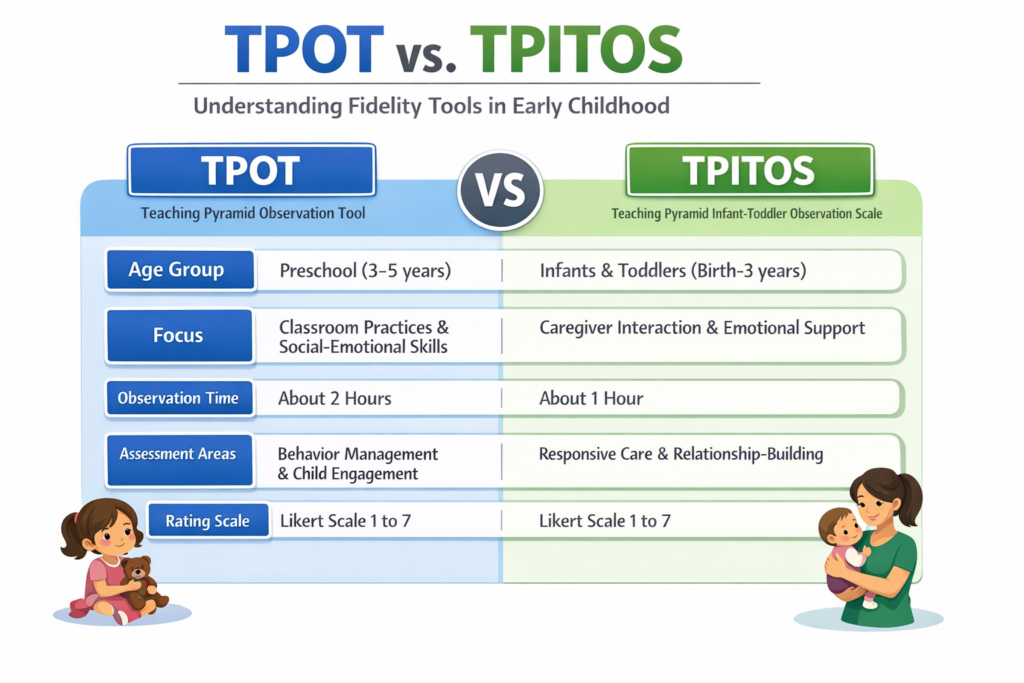
TPOT vs. TPITOS
| Feature | TPOT (Teaching Pyramid Observation Tool) | TPITOS (Teaching Pyramid Infant-Toddler Observation Scale) |
|---|---|---|
| Target Age Group | Preschool-age children (3-5 years) | Infants and toddlers (birth-3 years) |
| Focus | Social-emotional development and classroom practices | Social-emotional development with emphasis on relationship-building |
| Implementation Context | Preschool classrooms | Infant and toddler classrooms |
| Primary Focus | Classroom environment, teacher-child interactions | Teacher-child interactions, emotional support, and engagement |
| Assessment Type | Observational tool, focused on the fidelity of the Teaching Pyramid Model | Observational tool, focused on infant-toddler care and the Teaching Pyramid Model |
| Purpose | Evaluate classroom practices in terms of their support for social-emotional development | Evaluate the interaction quality and responsiveness between caregivers and infants/toddlers |
| Duration of Observation | Typically 2 hours | Typically 1 hour |
| Rating System | Likert scale (1-7) | Likert scale (1-7) |
| Focus Areas | Preventative strategies, teacher behavior, child engagement | Emotional support, teacher responsiveness, caregiving behaviors |
TPOT and TPITOS are essential tools in the field of early childhood education, each serving a unique purpose depending on the age group of the children being assessed. TPOT is designed for preschool classrooms, focusing on teacher-child interactions, classroom management, and social-emotional development. TPITOS, on the other hand, is tailored for caregivers working with infants and toddlers, emphasizing emotional support and responsive caregiving. Both tools are grounded in the Teaching Pyramid Model and provide valuable feedback to help educators and caregivers enhance their practices and promote positive developmental outcomes for children. By using TPOT and TPITOS, early childhood professionals can ensure that they are providing high-quality care and education that supports the social-emotional growth of young children. These fidelity tools offer practical insights that can guide teachers and caregivers in creating environments where children can thrive and develop the skills they need for future success.
Understanding TPOT
- The Teaching Pyramid Observation Tool (TPOT) is designed to assess how well preschool teachers implement the Teaching Pyramid Model in their classrooms. This model focuses on promoting social-emotional development in children by fostering positive relationships and preventing challenging behaviors. TPOT evaluates classroom practices, teacher-child interactions, and the overall classroom environment to ensure that they align with the principles of the Teaching Pyramid Model.
- One of the key components of TPOT is its focus on teacher behavior and how it affects children’s social-emotional development. Teachers are assessed on their ability to create a positive, nurturing classroom environment where children feel supported and engaged. This includes the use of proactive teaching strategies to promote positive behavior and prevent challenging behaviors. TPOT also examines how teachers interact with children, how they respond to children’s needs, and how they manage the classroom dynamics to foster a safe and supportive learning environment.
- The TPOT tool uses a Likert scale ranging from 1 to 7 to rate various aspects of teaching practices. Higher scores indicate that teachers are implementing practices effectively, while lower scores highlight areas that may need improvement. By providing objective, data-driven feedback, TPOT helps preschool teachers refine their teaching methods and improve the overall quality of their classrooms. Teachers can use the feedback from TPOT to make informed decisions about their practices and ensure they are meeting the developmental needs of their students.
Understanding TPITOS
- The Teaching Pyramid Infant-Toddler Observation Scale (TPITOS) is similar to TPOT but is specifically designed for caregivers working with infants and toddlers (birth to 3 years old). While TPOT focuses on preschool-age children, TPITOS focuses on the early childhood experiences of younger children and the role of caregivers in promoting social-emotional development during this critical stage. TPITOS evaluates the quality of caregiving behaviors and emotional support that caregivers provide to infants and toddlers, ensuring that they are meeting the developmental needs of young children.
- One of the main differences between TPOT and TPITOS is the emphasis on emotional support in the context of caregiving. Infants and toddlers rely heavily on responsive, nurturing interactions to develop secure attachments and emotional regulation skills. TPITOS assesses how well caregivers are able to respond to children’s cues, manage emotions, and provide comfort and security. These interactions are fundamental in building trust and supporting social-emotional growth in the early years.
- Like TPOT, TPITOS uses a Likert scale from 1 to 7 to rate caregiver behaviors. Higher scores reflect better caregiving practices, while lower scores suggest areas where improvements can be made. TPITOS is used in various early childhood settings, including daycare centers, preschools, and family child care environments, providing valuable feedback on how caregivers interact with infants and toddlers to support their emotional and social development.
Key Differences Between TPOT and TPITOS
- While TPOT and TPITOS are both based on the same Teaching Pyramid Model, there are several key differences between the two tools. The most significant difference is the age group they are designed for. TPOT is used to assess practices in preschool classrooms for children aged 3 to 5 years, while TPITOS is designed for infants and toddlers, typically aged birth to 3 years.
- Another difference lies in the focus of the tools. TPOT emphasizes classroom management, teacher-child interactions, and strategies for preventing challenging behaviors in preschool-aged children. It focuses on the teacher’s ability to create a positive classroom environment and engage children in meaningful activities. On the other hand, TPITOS focuses on the emotional support and responsive caregiving needed for infants and toddlers. It evaluates how well caregivers respond to children’s emotional cues and provide nurturing care that supports secure attachments and emotional regulation.
- The duration of observation is also a distinguishing factor between the two tools. TPOT requires a longer observation period, typically around two hours, to assess classroom dynamics and teacher practices. TPITOS, in contrast, generally involves a shorter observation period, usually about one hour, to evaluate caregiver-child interactions.
How TPOT and TPITOS Impact Early Childhood Education
- Both TPOT and TPITOS are powerful tools for improving the quality of early childhood education and care. These tools provide valuable insights into the effectiveness of teaching and caregiving practices, helping professionals identify areas where they can enhance their interactions with children and better support their developmental needs.
- For preschool teachers, TPOT is a valuable tool for assessing classroom practices and teacher-child interactions. It helps teachers refine their strategies for promoting social-emotional development, managing behavior, and creating a positive classroom environment. With the feedback provided by TPOT, teachers can adjust their methods to better engage children and foster a supportive learning environment.
- For caregivers working with infants and toddlers, TPITOS is equally important. The early years are a critical period for social-emotional development, and responsive caregiving plays a vital role in shaping a child’s emotional well-being. By using TPITOS, caregivers can assess how well they are meeting the emotional needs of young children and adjust their caregiving practices accordingly. This ensures that infants and toddlers receive the support they need to develop secure attachments and emotional regulation skills.
FAQs on TPOT vs. TPITOS
1. What is TPOT, and how does it help preschool teachers?
TPOT (Teaching Pyramid Observation Tool) is a tool designed to assess preschool teachers’ implementation of social-emotional development practices.
2. What is TPITOS, and how is it different from TPOT?
TPITOS (Teaching Pyramid Infant-Toddler Observation Scale) is similar to TPOT but specifically designed for caregivers of infants and toddlers.
3. How long does it take to use TPOT and TPITOS?
TPOT typically requires about two hours of observation to assess classroom practices for preschool-age children, while TPITOS involves approximately one hour of observation for evaluating caregiving practices with infants and toddlers.
4. Why is emotional support important in early childhood education?
Emotional support is crucial in early childhood education because it helps children form secure attachments, build trust, and develop social-emotional skills that are essential for future learning and relationships.