
Dealing with challenging behaviors in young children can be incredibly overwhelming for parents, educators, and caregivers. Whether it’s disruptive behavior in a classroom or at home, understanding how to address these behaviors in a constructive and effective way is key to fostering positive change. One approach that has gained significant traction in behavioral interventions is PTR-YC (Prevent-Teach-Reinforce for Young Children). PTR-YC is an evidence-based strategy designed to help children manage challenging behaviors through a combination of prevention, skill-building, and positive reinforcement. By implementing this approach, you can create a supportive and positive environment that promotes both behavioral change and academic growth.

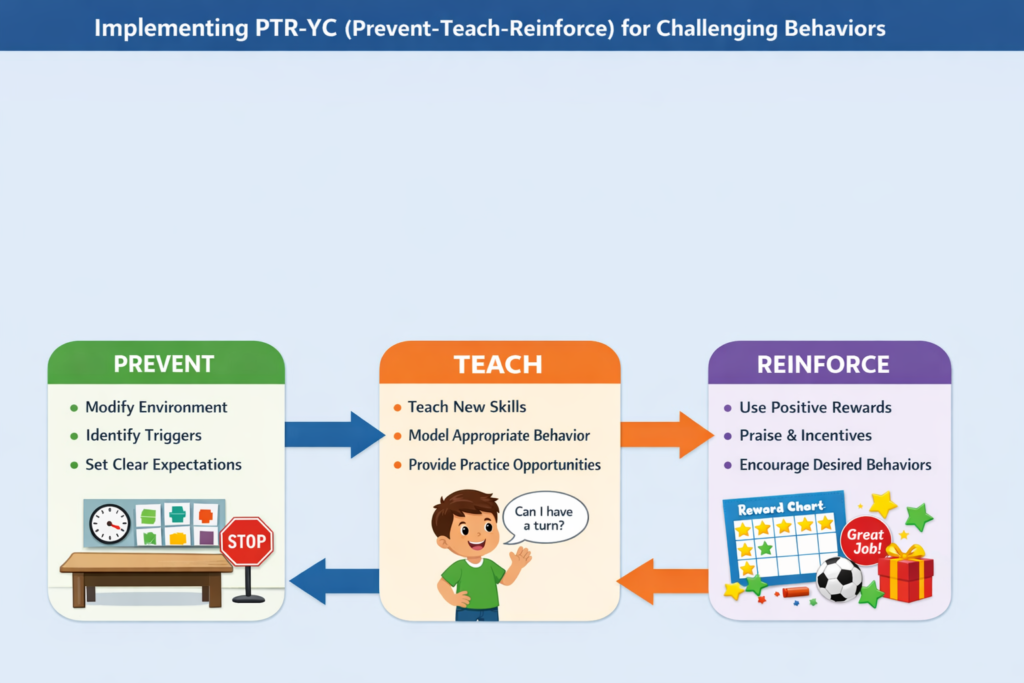
The PTR-YC framework is grounded in understanding that children exhibit challenging behaviors for a reason. It’s often a form of communication or an attempt to meet certain needs. By focusing on prevention, teaching new skills, and reinforcing positive behaviors, PTR-YC provides a comprehensive strategy for reducing disruptive behaviors and promoting a more positive learning environment. This method empowers caregivers and educators to address the root causes of challenging behaviors, ensuring that children learn healthier ways to express their needs and feelings. Prevent-Teach-Reinforce for Young Children (PTR-YC) offers a structured, step-by-step approach that focuses on preventing challenging behaviors, teaching children new skills, and reinforcing positive behavior. Through these three key components, children are given the tools they need to succeed while reducing disruptive behavior. Here’s a closer look at how each step works
Table of Contents
PTR-YC
| Component | Description |
|---|---|
| Prevent | Identifying and altering environmental factors that contribute to challenging behaviors. |
| Teach | Teaching children new, appropriate skills to replace challenging behaviors. |
| Reinforce | Using positive reinforcement to encourage the continuation of desired behaviors. |
The Prevent-Teach-Reinforce (PTR-YC) approach is an effective and proactive method for managing challenging behaviors in young children. By focusing on prevention, teaching new skills, and reinforcing positive behaviors, caregivers and educators can create a supportive environment that fosters growth and learning. Whether applied in classrooms, therapy settings, or at home, PTR-YC helps children replace disruptive behaviors with more appropriate ones, leading to long-term positive outcomes. Through collaboration and consistency, PTR-YC can be a game-changer in supporting children’s emotional, social, and academic development.
Preventing Challenging Behaviors
- The first stage of the PTR-YC approach is prevention. This step involves understanding the environmental factors that may be triggering disruptive behaviors in children. Whether it’s a noisy classroom, an overly complex task, or a lack of structured routine, identifying these triggers is essential for creating an environment that minimizes the occurrence of challenging behaviors. Prevention strategies could include establishing clear expectations, providing visual schedules, or offering frequent breaks to help children stay engaged and avoid frustration.
- For example, if a child struggles with transitions between activities, providing a visual cue, like a countdown, can help them prepare and reduce anxiety, ultimately preventing potential outbursts. Another strategy is offering choices to children, empowering them to feel in control of situations. By modifying the environment in ways that reduce triggers, caregivers can proactively prevent challenging behaviors before they occur.
Teaching New Skills
- Once the triggers have been identified and the environment adjusted, the next step is teaching children new skills. Teaching is at the core of the PTR-YC approach, as it provides children with alternatives to the disruptive behaviors they may have been using. The goal is to teach children how to express their needs and feelings in more appropriate ways.
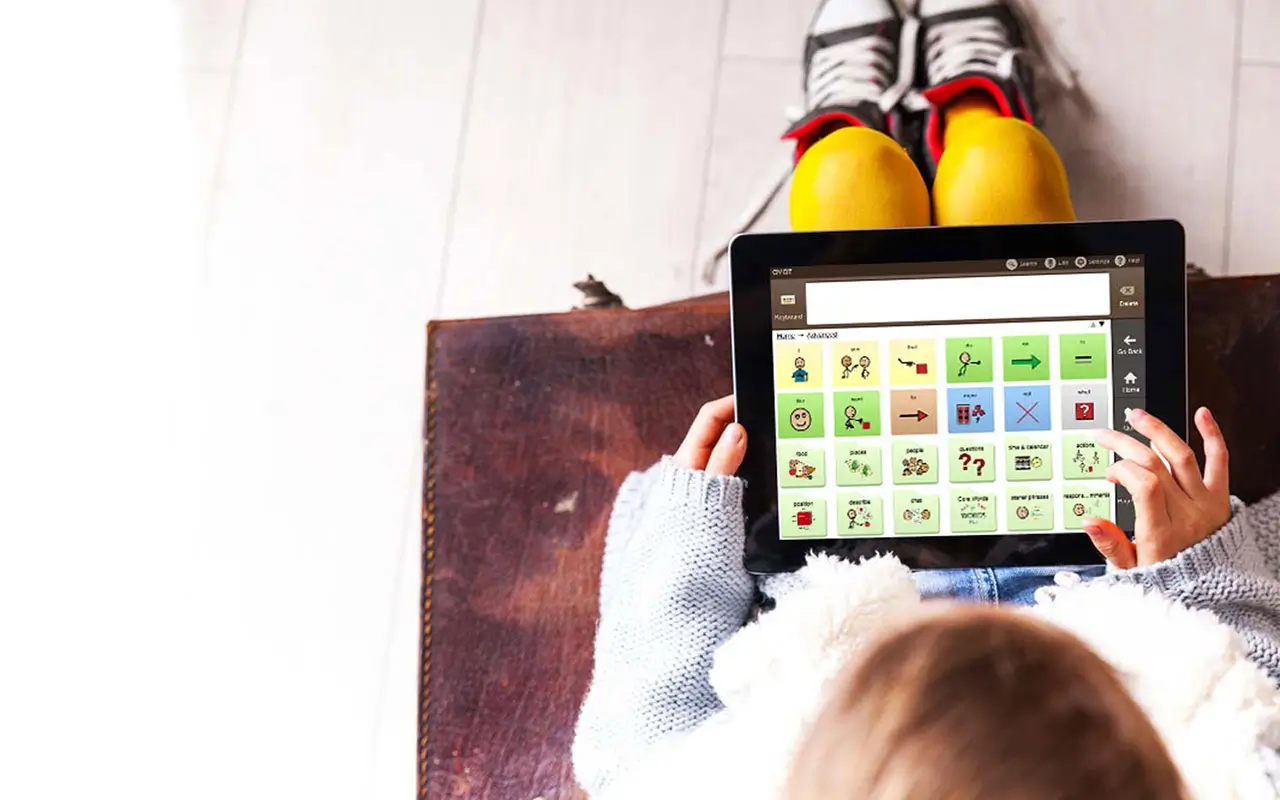
- Teaching new skills involves modeling the desired behavior, providing explicit instructions, and giving the child ample opportunities to practice. If a child is acting out to gain attention, they can be taught to use words, hand signals, or other forms of communication to request help instead of resorting to disruptive behaviors. Reinforcing these new behaviors in real-time helps to solidify learning and create positive associations with the newly taught skills.
- This process requires patience and consistency. Teachers and caregivers need to model the behavior, demonstrate what is expected, and support the child as they learn and practice the new behavior. Additionally, the child should be provided with a safe space to practice and apply these skills. Whether in the classroom or at home, the learning environment must be conducive to growth, allowing the child to make mistakes without fear of punishment.
Reinforcing Positive Behaviors
- Reinforcement is a crucial part of the PTR-YC process. Positive reinforcement encourages children to continue engaging in behaviors that are beneficial and constructive. By offering rewards that are meaningful to the child, such as verbal praise, tokens, or access to a preferred activity, caregivers and educators can ensure that the new, positive behavior is repeated.
- For instance, if a child consistently uses appropriate communication instead of engaging in disruptive behaviors, they could receive a reward like extra playtime or a sticker. The key is to ensure the reinforcement is immediate and specific to the behavior. Positive reinforcement helps build a child’s confidence and strengthens their motivation to use their new skills, creating a positive feedback loop that promotes long-term behavior change.
- When reinforcing positive behavior, it’s important to match the type of reinforcement to the child’s interests. Some children may respond better to verbal praise, while others may prefer tangible rewards like toys or activities. The more personalized the reinforcement, the more likely the child is to continue the positive behavior.
The Role of Family and Educators in PTR-YC
- Implementing PTR-YC effectively requires collaboration between families, educators, and other professionals involved in the child’s life. Consistency is key to ensuring that children receive the same level of support in different environments, whether at home, in the classroom, or in therapy sessions. All caregivers and educators need to be on the same page, using the same strategies and reinforcing the same behaviors.
- Training for parents and educators is essential, as it helps them recognize the signs of challenging behaviors and the most effective ways to intervene. Regular communication between home and school is also crucial for adjusting the approach based on the child’s progress and challenges. The more unified and consistent the approach, the more successful PTR-YC will be in helping the child reduce disruptive behaviors and develop positive habits.
- Family involvement is particularly critical, as children often spend a significant amount of time at home. Parents who understand and implement the same techniques used in educational settings can create a seamless experience for the child. Consistency across home and school environments will help reinforce new behaviors and ensure the child feels supported.
Benefits of Implementing PTR-YC for Challenging Behaviors
- The benefits of PTR-YC extend far beyond merely reducing disruptive behaviors. This method fosters an overall positive learning and emotional environment for children. By teaching children more appropriate ways to communicate and express their needs, PTR-YC builds self-esteem and social skills, which are essential for success both in school and in life.
- Additionally, because PTR-YC emphasizes positive reinforcement, it creates an environment where children feel motivated and supported. This not only helps reduce challenging behaviors but also encourages children to become more independent and confident in their abilities. Over time, as children learn new behaviors and experience success, they are better equipped to handle frustration and other challenges that may arise.
- One of the most significant long-term benefits of PTR-YC is that it fosters resilience in children. As they learn new coping strategies, they are better able to adapt to various situations, making it easier for them to navigate future challenges. This makes PTR-YC not just a tool for addressing behavior, but also a powerful method for promoting lifelong learning and emotional development.
FAQs on PTR-YC
1. What are the three key components of the PTR-YC approach?
The three key components of the PTR-YC approach are Prevention, Teaching new skills, and Reinforcing positive behaviors. These steps help children manage challenging behaviors in a supportive and constructive way.
2. How does the prevention component of PTR-YC work?
Prevention involves identifying and modifying environmental triggers that lead to challenging behaviors. Strategies such as providing clear routines and offering choices can help prevent disruptive behaviors before they occur.
3. Why is teaching new skills important in PTR-YC?
Teaching new skills helps children learn how to express their needs and feelings appropriately, instead of relying on disruptive behaviors. This gives them healthier alternatives and promotes positive growth.
4. How does positive reinforcement play a role in PTR-YC?
Positive reinforcement encourages children to continue engaging in desirable behaviors by offering rewards such as praise, tokens, or preferred activities. This strengthens the desired behaviors and helps children feel motivated.