
When it comes to improving the quality of education, one of the most essential factors is evaluating teaching practices. Collecting STARE data (Scale of Teachers’ Assessment of Routines Engagement) is a powerful method for understanding how well teachers engage with their students through various teaching routines. The STARE framework helps educators assess not only how their teaching routines affect students but also how these routines align with student engagement and overall classroom dynamics. By collecting STARE data, schools and educators can gather actionable insights to enhance teaching strategies, improve classroom interactions, and ultimately provide better learning experiences. In today’s educational environment, where engagement is more critical than ever, collecting STARE data allows teachers and administrators to fine-tune their approaches to instruction. This data-driven insight supports teachers in identifying areas of improvement while leveraging successful strategies that contribute to student success. Whether it’s understanding how often teachers interact with students or evaluating the effectiveness of specific teaching routines, STARE data provides a clear picture of what’s working in the classroom and what might need adjustment.

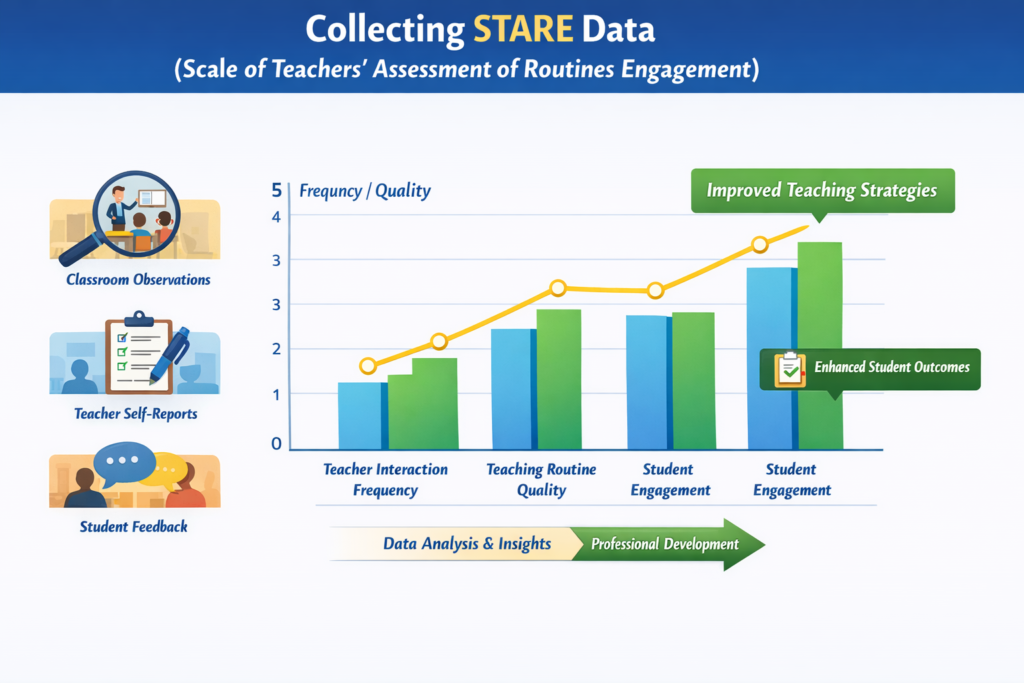
The process of collecting STARE data involves multiple stages, from classroom observations to feedback from both teachers and students. This data is crucial for evaluating teaching routines, determining the effectiveness of teacher-student interactions, and refining classroom dynamics. By using this framework, educators can create an environment where teaching methods are continuously refined based on real-time feedback and data. The table below provides an overview of the key components involved in collecting STARE data.
Table of Contents
Collecting STARE Data
| Aspect | Details |
|---|---|
| Purpose | To assess teacher engagement and the quality of teaching routines in the classroom. |
| Key Components | Teacher behaviors, student engagement, classroom routines, and teaching strategies. |
| Data Collection Methods | Observations, self-reports, student feedback, and teacher assessments. |
| Focus Areas | Frequency of teacher-student interactions, teaching methods, classroom organization, and student participation. |
| Outcome | Better understanding of teaching practices, professional development needs, and classroom improvement. |
| Duration of Assessment | Varies depending on the focus of the evaluation (e.g., one semester, full academic year). |
| Analysis | Data is analyzed for patterns and trends in teaching behaviors and student engagement. |
| Application of Results | The findings are used to inform teacher development, curricular changes, and classroom strategies. |
Collecting STARE data is an essential tool for evaluating teaching practices and improving student engagement. By focusing on the effectiveness of teaching routines, this data-driven approach enables educators to identify areas of strength and opportunities for improvement. Whether through classroom observations, teacher self-reports, or student feedback, collecting STARE data provides a holistic view of the teaching process, ensuring that teachers are equipped with the insights they need to succeed. This data is not only beneficial for individual educators but also plays a vital role in shaping broader professional development programs that contribute to improved educational outcomes. Ultimately, collecting STARE data empowers educators to create more engaging and effective learning environments that benefit both teachers and students.
The Importance of Collecting STARE Data in Education
Collecting STARE data is more than just a routine check-up; it’s a proactive approach to ensuring that teaching methods are effective and that students remain engaged. Teachers can use this data to adapt their methods and create a more dynamic, responsive classroom environment. The insights gathered from STARE data give teachers the chance to evaluate how well their instructional routines are promoting student engagement and achieving desired learning outcomes. With this data, educators are better equipped to identify patterns and areas that require attention or improvement. In addition to improving teaching quality, collecting STARE data helps school administrators and researchers develop targeted professional development programs. By analyzing trends across multiple classrooms or even entire schools, administrators can spot common challenges and focus on addressing them in professional development sessions. This ensures that teachers are equipped with the right tools to succeed, promoting a continuous cycle of improvement in teaching and learning.
Methodologies for Collecting STARE Data
There are several methods involved in collecting STARE data, each contributing valuable insights into the effectiveness of teaching routines. These methods include classroom observations, teacher self-reports, and student feedback. By gathering data through multiple channels, educators can obtain a well-rounded view of classroom dynamics and teacher engagement.
Classroom Observations
Classroom observations are a core method for collecting STARE data. During these observations, trained individuals assess various aspects of classroom interactions, such as how often teachers interact with students, how effectively teaching methods are being applied, and how students respond to different instructional routines. These observations are crucial for understanding the nuances of teaching engagement and provide an objective perspective on how routines are impacting student learning.
Teacher Self-Reports
In addition to classroom observations, teachers can also provide valuable insights through self-reports. These reports allow educators to reflect on their teaching practices and assess their own engagement with the classroom routines they implement. By documenting their observations, challenges, and successes, teachers can gain a clearer understanding of their own teaching behaviors and identify areas where they may need additional support or professional development.
Student Feedback
Another essential method for collecting STARE data is gathering feedback directly from students. Through surveys, interviews, or focus groups, students can share their perspectives on how engaged they feel during lessons and how effective they believe the teacher’s routines are. This feedback is critical because it offers a direct view into the student experience, helping teachers and administrators understand which teaching strategies are resonating with students and which may require adjustments.
Data Analysis and Reporting
Once the data is collected, it is analyzed to uncover trends and patterns. The analysis helps identify which teaching practices are most effective, which classroom routines are engaging students, and where improvements can be made. By examining both teacher and student feedback, educators can create actionable insights that lead to more effective teaching methods and a more engaging classroom environment.
Implications for Professional Development
- Collecting STARE data plays a crucial role in shaping professional development efforts. By assessing the strengths and weaknesses of teaching routines, educators and administrators can design targeted development programs that address specific needs. If the data reveals that certain teaching methods are not engaging students as expected, professional development sessions can focus on introducing new, more effective strategies. Conversely, if specific routines are working well, these successful approaches can be shared with other educators as best practices.
- Moreover, the ongoing collection of STARE data allows for a continuous feedback loop. This means that professional development is not a one-time event, but an ongoing process that adapts based on the changing needs of teachers and students. The insights gained from STARE data help ensure that teachers receive the support they need to refine their practices and enhance classroom engagement.
FAQs on Collecting STARE Data
1. Is collecting STARE data effective for improving teaching practices?
Yes, collecting STARE data provides a comprehensive view of teaching routines, helping educators identify areas for improvement and implement strategies that increase student engagement.
2. How often should STARE data be collected?
The frequency of data collection can vary depending on the focus of the evaluation, but it’s typically done on a semester or annual basis to track changes and improvements over time.
3. Can STARE data help identify the best teaching practices?
Absolutely! STARE data helps highlight the most effective teaching routines and methods, allowing educators to adopt and share best practices across classrooms.
4. How do students contribute to the STARE data collection process?
Students provide valuable feedback on their engagement and experiences, offering insights into how well the teacher’s routines resonate with them and contributing to the overall assessment.