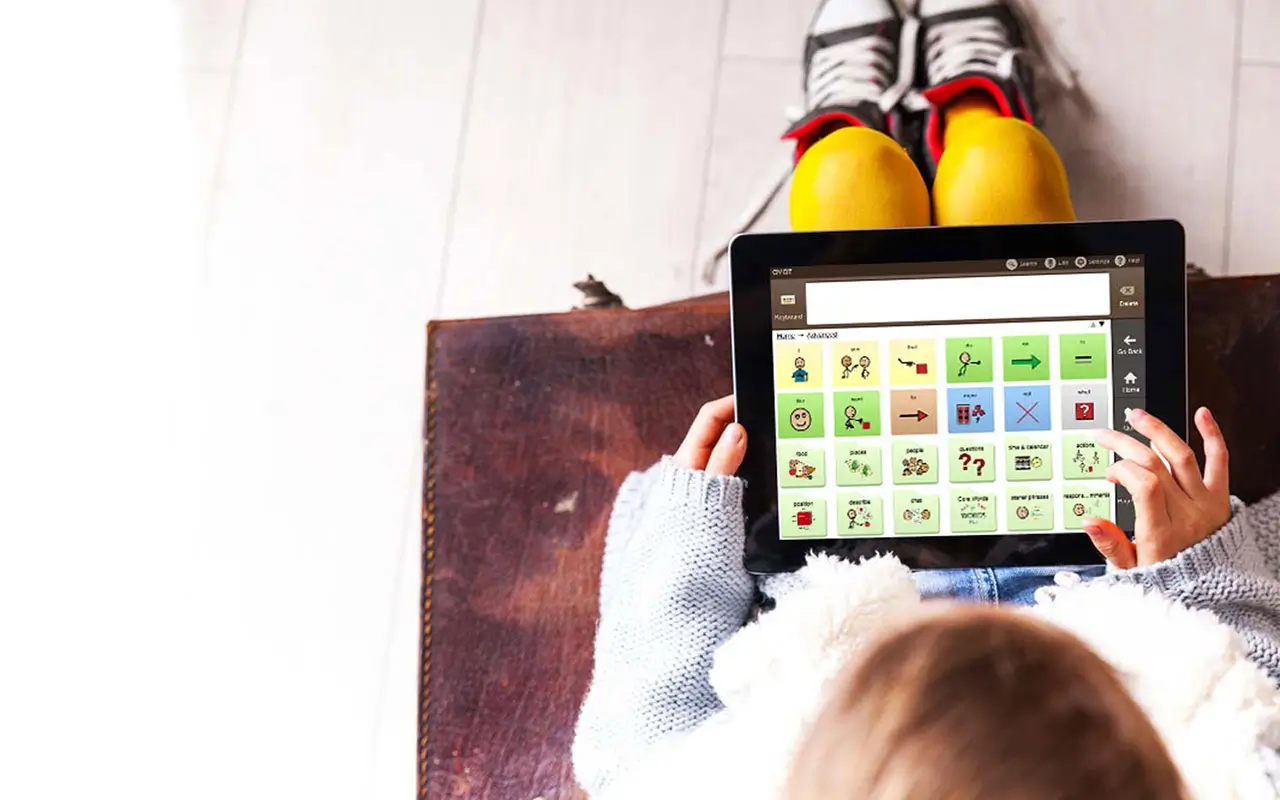

Managing a Pre-K classroom can be challenging. With young children still learning how to navigate their emotions, communicate, and follow routines, teachers need effective tools to make the classroom run smoothly. One of the best tools to help with this is a visual schedule. Visual schedules are a fantastic way to keep kids on track and reduce anxiety, helping them understand the flow of their day. Whether you’re looking to create a sense of security, improve time management, or encourage independence, visual schedules are an essential part of any Pre-K classroom. When we talk about visual schedules, we’re referring to a system that uses pictures, icons, or symbols to represent daily activities. These schedules are incredibly helpful for young children, especially for those in Pre-K classrooms. Having a visual schedule posted in a place where children can easily see it can make all the difference in how they adjust to the day’s activities. In this blog post, we’ll dive deep into why visual schedules are so effective, how to implement them in your classroom, and explore some practical templates you can use.
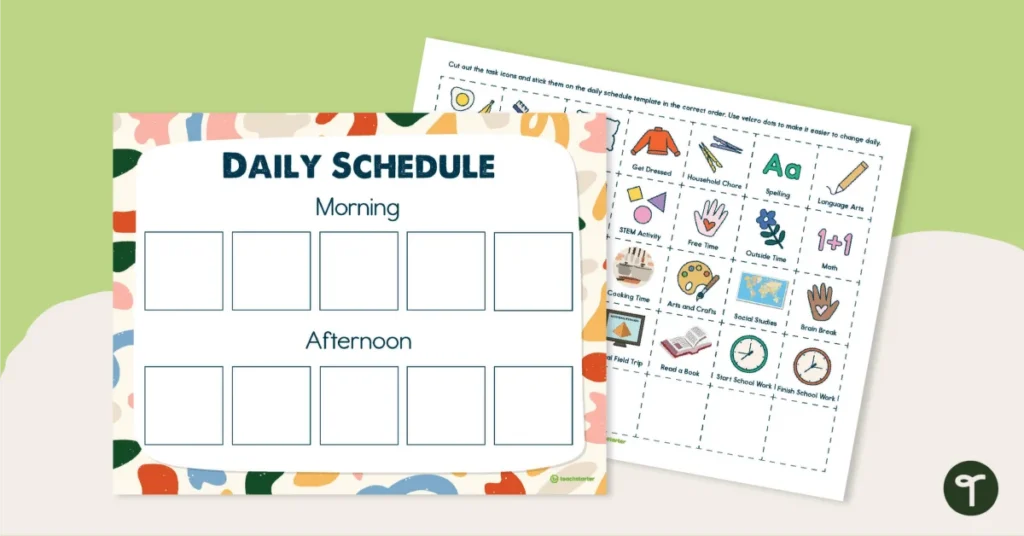
Visual schedules in Pre-K classrooms are more than just a tool for keeping kids on task they are integral to a child’s learning experience. Young children, especially those in early education settings, are still developing their ability to understand time and follow complex instructions. A visual schedule helps simplify this by breaking down the day into clear, understandable steps. With visual cues, children can see what to expect, which makes transitions from one activity to another much smoother. These schedules are not just helpful for keeping routines predictable. They are also powerful tools for building social skills, fostering independence, and reducing anxiety. Children who follow a visual schedule are more likely to engage with classroom activities, interact with their peers, and feel a sense of control over their day. A well-designed visual schedule can help children grasp concepts like time, sequencing, and responsibility all of which are important building blocks for their future learning.
Table of Contents
Visual Schedules
| Key Element | Details |
|---|---|
| Purpose | To support children’s understanding of daily routines, improve transitions, and reduce anxiety. |
| Design | Use pictures, symbols, or words that represent the day’s activities. Keep it simple and clear. |
| Components | Include elements like arrival time, circle time, playtime, snack time, outdoor play, etc. |
| Benefits for Children | Helps children follow routines, enhances independence, reduces anxiety, and supports emotional growth. |
| Best Practices for Teachers | Keep schedules consistent, adjust based on individual needs, and make schedules visually accessible. |
| Use for Special Needs | Particularly helpful for children with developmental delays, ADHD, and autism. |
Benefits of Visual Schedules in Pre-K Classrooms
- Visual schedules offer a wide array of benefits for both children and teachers in Pre-K classrooms. First and foremost, they help young learners understand and internalize daily routines. By seeing the schedule and understanding what’s next, children can anticipate activities, which helps them stay focused and prepared. This can be especially helpful for children who struggle with transitions such as moving from playtime to circle time by providing a predictable and calming structure.
- Furthermore, visual schedules give children a sense of responsibility. As they learn to follow the sequence of the day, they also learn to manage their time, which is a skill they’ll carry with them throughout their education and life. Children become more independent, as they can check the schedule themselves rather than constantly asking for reminders.
- Another key advantage is the emotional security that visual schedules provide. Many children, especially those with sensory processing issues or anxiety, find comfort in knowing what’s coming next. The predictability of visual schedules helps them feel safe and reduces the anxiety that often accompanies unstructured time or sudden changes. By using these schedules, teachers can create an environment where children can thrive without feeling overwhelmed.
Creating Effective Visual Schedules
The design and implementation of visual schedules are essential in ensuring that they are effective. When creating a visual schedule for your Pre-K classroom, it’s important to make sure that the visuals are clear, easy to understand, and appropriate for your students’ developmental levels. Here are some tips for designing a schedule that will work:
- Use Clear, Simple Images: Choose images that are universally recognized and easy for young children to understand. For example, a picture of a book can represent storytime, while a snack icon can signify break time.
- Incorporate Words as Children Grow: As children begin to recognize words, you can add simple text alongside the pictures. This helps support early literacy development while reinforcing the concept of time and sequence.
- Keep It Consistent: Consistency is key when it comes to visual schedules. Make sure to use the same symbols and layout every day, as this helps children become familiar with the routine and reinforces their understanding.
- Personalize for Each Child: While a general visual schedule can be effective for the entire class, it’s important to tailor it to meet the needs of individual children. Some may need additional cues, such as a timer or a longer transition period between activities.
- Use Large, Easy-to-Read Fonts: Make sure the text is large enough for all children to read, even from a distance. This will help them reference the schedule on their own without needing help from the teacher.
Examples of Visual Schedule Templates for Pre-K Classrooms
If you’re wondering how to implement visual schedules in your classroom, here are a few simple templates to get you started. These templates can be adjusted based on the specific needs of your classroom and students.
1. Basic Daily Routine
- Morning Arrival
- Visual: Picture of a child entering the classroom
- Circle Time
- Visual: Picture of children sitting in a circle
- Snack Time
- Visual: Picture of a snack or lunchbox
- Outdoor Play
- Visual: Picture of the playground
- Story Time
- Visual: Picture of a book
- Dismissal
- Visual: Picture of children leaving the classroom
2. Schedule for Children with Special Needs
- Arrival and Calm Down Time
- Visual: Picture of a child sitting quietly
- One-on-One or Small Group Activities
- Visual: Picture of a teacher working individually with a child
- Sensory Break
- Visual: Picture of a quiet area or sensory toy
- Group Play
- Visual: Picture of children playing together
- Snack and Cleanup
- Visual: Picture of children eating and cleaning up
- Goodbye Routine
- Visual: Picture of a child waving goodbye
Tips for Using Visual Schedules Effectively
To maximize the benefits of visual schedules in your Pre-K classroom, it’s important to integrate them into your teaching routine effectively. Here are some tips to help you get the most out of your visual schedule:
- Review the Schedule with the Children: At the start of each day, gather the children and review the schedule with them. Point to each activity and explain what will happen next. This helps children internalize the routine and become more comfortable with the day’s activities.
- Consistency is Crucial: Keep the schedule as consistent as possible. The more predictable the schedule, the more secure children will feel. This reduces anxiety and makes it easier for them to focus on learning and interacting with their peers.
- Use Timers for Transitions: For children who struggle with transitions, consider using a timer to indicate when an activity is about to end. This gives children a visual and auditory cue that a transition is coming up, helping them prepare mentally.
- Incorporate Student Input: Whenever possible, involve your students in creating the visual schedule. For example, let them choose images for certain activities or even place the pictures on the board. This fosters a sense of ownership and helps children feel more connected to the routine.
FAQs on Visual Schedules
1. How do visual schedules help children with autism?
Visual schedules are highly beneficial for children with autism as they provide a clear and predictable structure. This helps reduce anxiety, improves focus, and makes transitions smoother by showing exactly what to expect next.
2. Can I create a visual schedule on my computer?
Yes! There are many tools and templates available online for creating custom visual schedules. You can use programs like Microsoft PowerPoint, Canva, or even apps designed specifically for creating visual schedules in classrooms.
3. How often should I update my visual schedule?
You should update your visual schedule as necessary. If there’s a change in the routine, such as a special event or different activities for the day, make sure to update the schedule to reflect these changes.
4. What’s the best way to introduce a visual schedule to young children?
Start by reviewing the schedule with the children at the beginning of each day. Show them each activity and explain the sequence of the day. As they become familiar with it, encourage them to refer to the schedule on their own.