
The Backpack Connection Series is a widely used family-engagement initiative designed to help parents reinforce classroom learning at home, particularly for young children. Developed through federally supported early childhood research, the series provides short, practical handouts sent home with students, aiming to create consistency between school-based instruction and family routines.
Table of Contents
What Is the Backpack Connection Series?
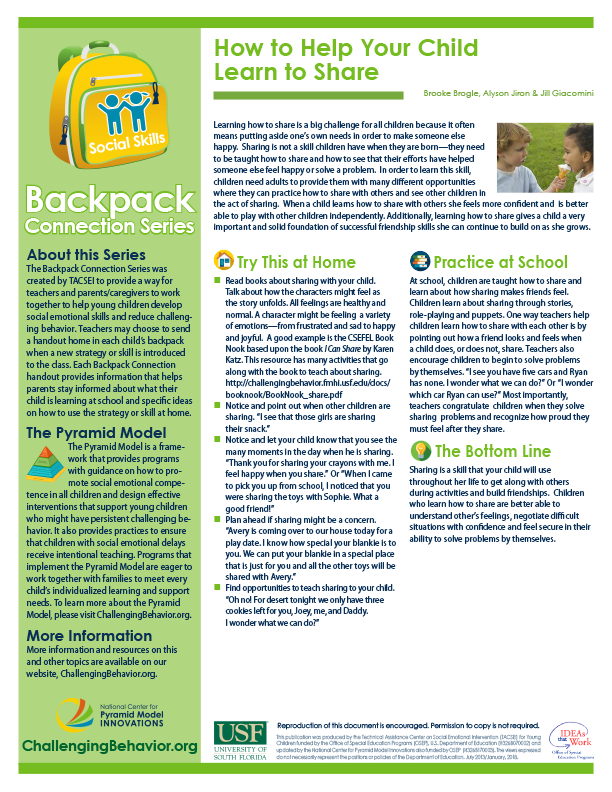
The Backpack Connection Series is a collection of brief, printable handouts created to support communication between educators and families. Each handout focuses on a specific social, emotional, or behavioral skill that children are learning in school and explains how families can reinforce that skill at home.
The materials were originally developed by the Technical Assistance Center on Social Emotional Intervention for Young Children (TACSEI), a federally funded initiative supported by the U.S. Department of Education. The work is now maintained and distributed by the National Center for Pyramid Model Innovations (NCPMI), which supports states and school systems implementing evidence-based early childhood practices.
According to NCPMI, the series was designed to address a recurring challenge in early education: families often want to support learning but lack clear, concrete guidance tied to classroom instruction.
Why Family Engagement Has Become a Policy Priority
Over the past two decades, family engagement has moved from a supplementary concept to a central pillar of early childhood education policy. Research consistently shows that children demonstrate stronger academic performance, improved behavior, and better emotional regulation when families are actively involved in learning.
Federal initiatives such as Head Start and state-funded prekindergarten programs increasingly require documented family engagement strategies. The Backpack Connection Series fits within this policy framework by offering a low-cost, scalable approach that schools can implement without extensive infrastructure.
“Children develop across multiple environments,” noted an early childhood policy analyst involved in state pre-K systems. “When schools and families send conflicting signals, learning slows. When those signals align, children thrive.”
How the Backpack Connection Series Works in Practice
From Classroom to Kitchen Table
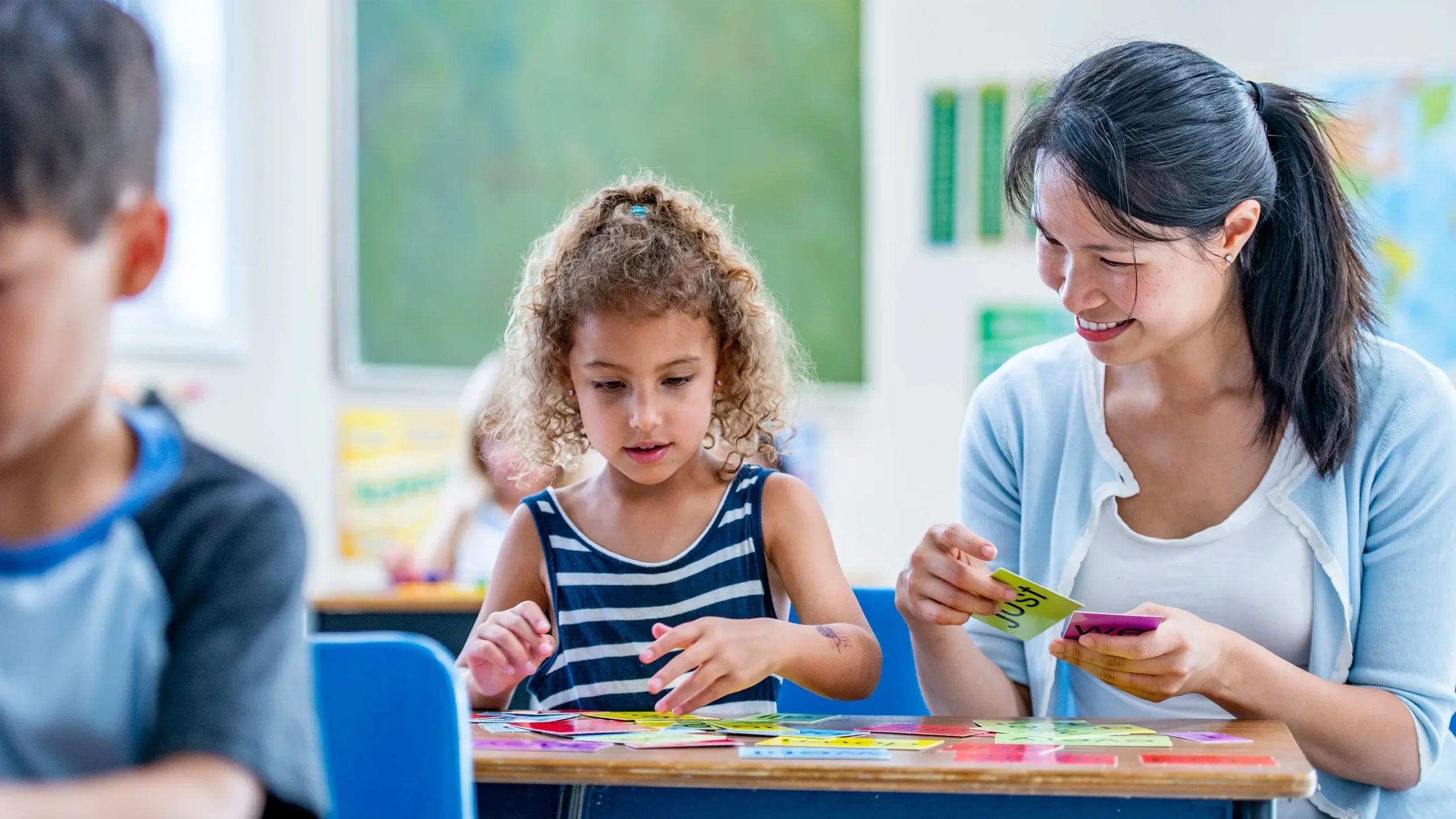
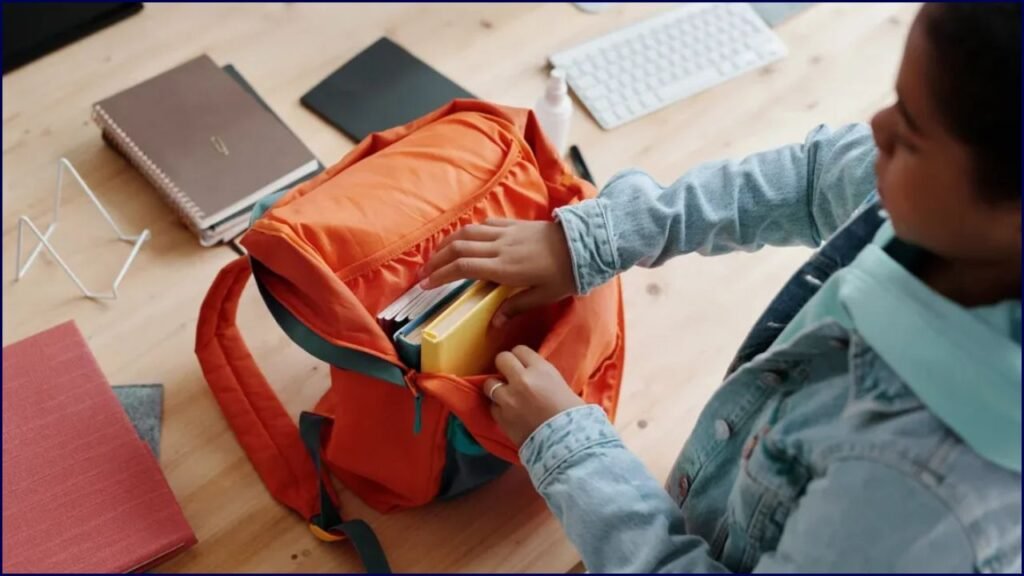
Teachers typically introduce a new skill—such as recognizing emotions or following a routine—during classroom instruction. A corresponding Backpack Connection Series handout is then sent home, often in a child’s backpack, explaining the skill in family-friendly language.
The handouts usually include:
- A brief explanation of what children are learning at school
- Why the skill matters for development
- Simple examples of how families can practice the skill during daily routines
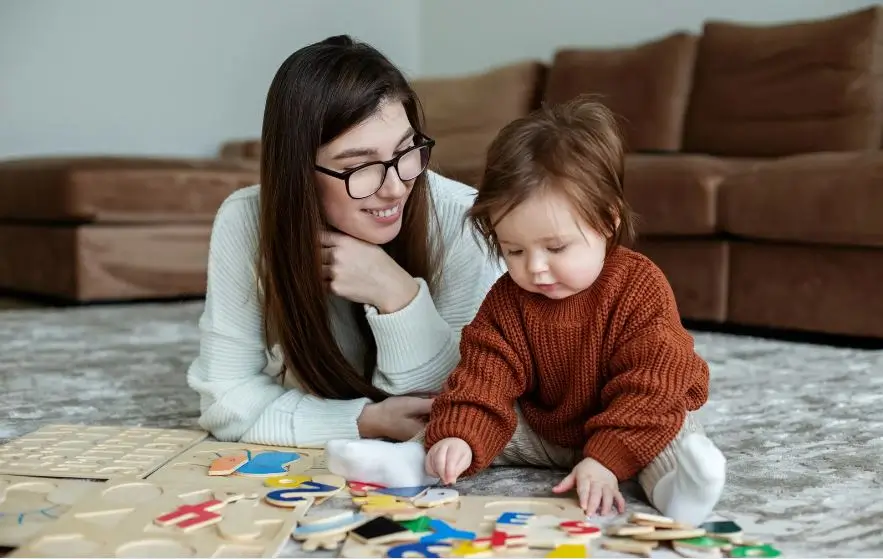
This approach allows families to reinforce learning during everyday moments such as meals, playtime, or bedtime.
Key Developmental Areas Covered
The Backpack Connection Series spans several domains critical to early childhood development.
Social and Emotional Learning
Many handouts focus on helping children identify emotions, express feelings appropriately, and cope with frustration. These skills are considered foundational for later academic success and peer relationships.
Positive Behavior Support
Families receive strategies for encouraging positive behavior, such as giving clear directions, reinforcing expectations, and responding consistently to challenging behaviors.
Routines and Transitions
Daily routines—bedtime, getting ready for school, or transitioning between activities—are common sources of stress for young children. The series offers guidance on making these transitions predictable and supportive.
Social Skills and Peer Interaction
Handouts also address skills like sharing, turn-taking, and problem-solving during play, which educators identify as critical for school readiness.
Research Evidence Behind the Approach
The Backpack Connection Series is grounded in research supporting the Pyramid Model, an evidence-based framework for promoting social-emotional competence in young children.
Multiple studies cited by federal early learning centers show that consistent adult responses across environments reduce behavioral challenges and improve emotional regulation. Family engagement strategies linked directly to classroom instruction are associated with stronger outcomes than general parenting advice alone.
“Specificity matters,” said a developmental psychologist who studies early intervention. “When families know exactly what teachers are working on and how to support it, children make faster progress.”
Equity, Access, and Multilingual Support
One reason the Backpack Connection Series has gained widespread adoption is its adaptability across diverse communities. The materials are available in multiple languages, including Spanish, and are written at an accessible reading level.
Education advocates note that this accessibility is particularly important for families who may face language barriers or limited access to formal early childhood resources.
“Family engagement tools must be culturally responsive,” said a state early learning coordinator. “The Backpack Connection Series is effective because it respects families as partners, not passive recipients.”
Challenges and Limitations
Despite its strengths, experts caution that the series is not a standalone solution. Its effectiveness depends heavily on how educators introduce and explain the materials.
Sending handouts home without context can reduce impact, particularly for families unfamiliar with school-based terminology. Training educators to integrate the series into ongoing communication is considered essential.
There are also disparities in access. Under-resourced districts may struggle to provide translations, printing, or professional development needed for consistent implementation.
Cost-Effectiveness and Scalability
From a policy perspective, the Backpack Connection Series is often cited as a cost-effective intervention. The materials are publicly available and require minimal financial investment compared with intensive family outreach programs.
This scalability has made the series attractive to state education agencies seeking evidence-based strategies that can be implemented across large systems.
“Not every district can afford home visits or specialized staff,” said an education finance expert. “This model offers meaningful engagement at a fraction of the cost.”
Digital Adaptations and Post-Pandemic Shifts
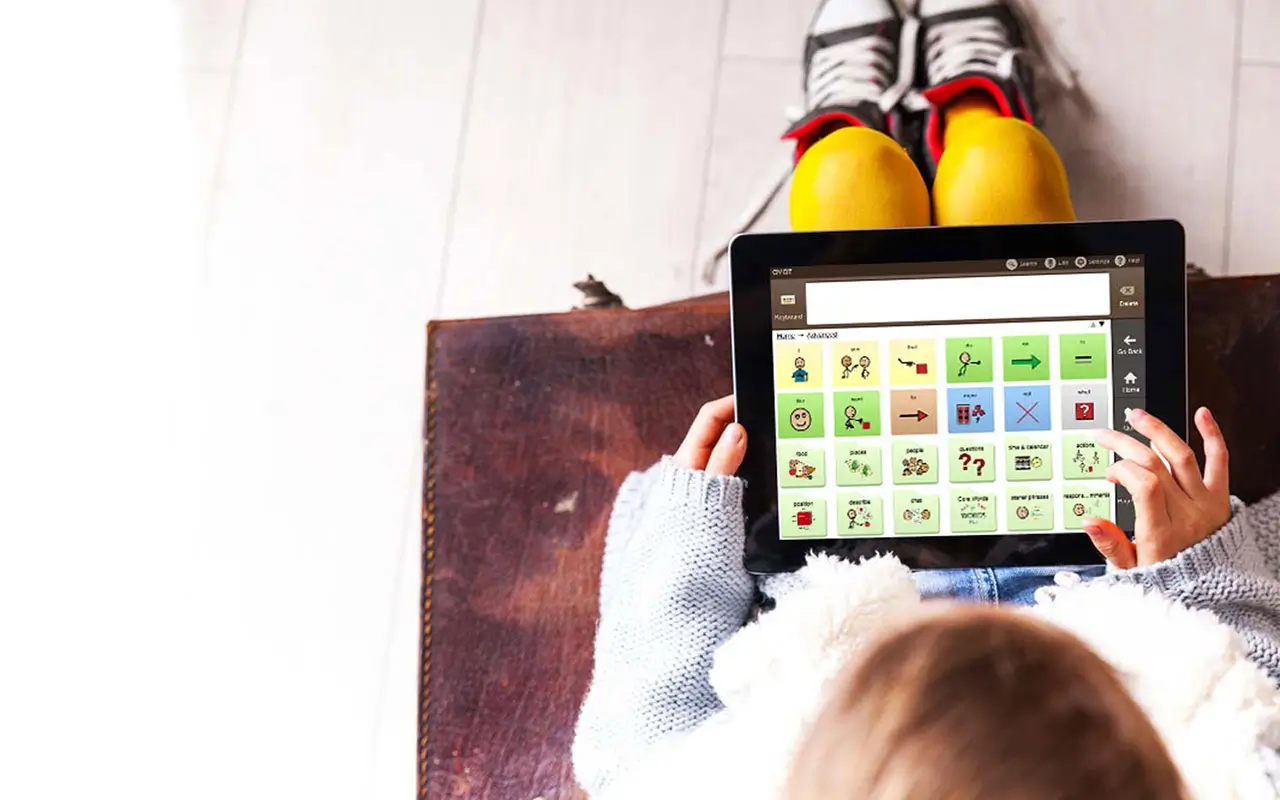
The COVID-19 pandemic accelerated interest in digital family engagement tools. Some school systems have adapted Backpack Connection Series materials for email, learning management systems, or mobile apps.
Educators report that digital delivery has increased accessibility for some families, while others continue to prefer printed materials. Hybrid approaches are increasingly common.
“Flexibility is key,” said a district early childhood director. “The core message matters more than the format.”
International Relevance and Broader Implications
While the Backpack Connection Series was developed in the United States, its underlying principles align with global early childhood research. International organizations emphasize the importance of family-school partnerships in early learning systems worldwide.
Experts note that the model could be adapted for different cultural contexts, particularly in countries expanding access to early childhood education.
“The idea that learning extends beyond the classroom is universal,” said an international education consultant. “This approach operationalizes that idea.”
What the Future Holds
As social-emotional learning becomes more deeply embedded in education policy, tools like the Backpack Connection Series are likely to remain relevant. Education leaders increasingly view family engagement not as an add-on, but as a core instructional strategy.
Ongoing research will determine how such tools evolve, particularly as digital communication and data-driven instruction continue to shape early education.
For now, the Backpack Connection Series reflects a simple but powerful premise: children benefit most when the adults in their lives work from the same playbook.
FAQs About Backpack Connection Series
Who is the Backpack Connection Series designed for?
It is primarily intended for families of preschool and early elementary-aged children.
Is the Backpack Connection Series free?
Yes. The materials are publicly available through federally supported education centers.
Can families use the materials independently?
Yes, though experts recommend pairing them with teacher guidance for maximum impact.