
Reducing Suspension and Expulsion in Early Childhood has become a critical priority for early education systems around the world. Over the past few years, educators and families have begun to recognize that exclusionary discipline practices in preschool and early learning settings often do more harm than good.
Young children are still developing emotional regulation, communication skills, and social understanding. When they are removed from learning environments, even briefly, the disruption can affect their confidence, sense of safety, and long-term relationship with school. As awareness grows, so does the understanding that suspension and expulsion are rarely about bad behavior. Instead, they are often symptoms of unmet needs, limited resources, and systemic challenges within early childhood programs. Reducing Suspension and Expulsion in Early Childhood requires thoughtful strategies that support children, educators, and families together, rather than relying on punishment that interrupts learning at a critical stage of development.
Reducing Suspension and Expulsion in Early Childhood means shifting how early learning programs respond to challenging behavior. Young children communicate through actions long before they can explain their feelings with words. Behaviors that adults may see as disruptive are often expressions of stress, confusion, fear, or developmental delays. Addressing these behaviors effectively requires patience, understanding, and developmentally appropriate guidance. Programs that successfully focus on Reducing Suspension and Expulsion in Early Childhood prioritize prevention over reaction. They create environments where children feel safe, supported, and understood. Educators are trained to view behavior as information rather than defiance, allowing them to respond with strategies that help children build skills instead of removing them from the classroom.
Table of Contents
Reducing Suspension and Expulsion in Early Childhood
| Focus Area | Summary |
|---|---|
| Prevalence | Suspension and expulsion still occur in early learning settings more often than expected |
| Disparities | Boys, children of color, and children with disabilities are disproportionately affected |
| Contributing Factors | Limited behavioral supports, educator stress, and lack of training |
| Effective Approaches | Prevention, social emotional learning, and mental health consultation |
| Family Involvement | Strong partnerships help address concerns early and consistently |
Understanding The Scope of The Issue
Suspension and expulsion in early childhood settings often remain underreported, making the issue easy to overlook. Unlike K–12 education, many early learning programs are not required to track or publicly report disciplinary actions. As a result, exclusionary practices can become normalized without accountability. Recent trends show that preschool-aged children are still being removed from programs at concerning rates. These removals disrupt learning during a stage when stability and routine are essential. Reducing Suspension and Expulsion in Early Childhood starts with recognizing that these practices are not rare exceptions but ongoing challenges that require systemic solutions.
Root Causes Of Challenging Behavior
- Challenging behavior in young children rarely exists without context. Factors such as family stress, exposure to trauma, developmental delays, language barriers, and inconsistent routines can all influence how a child behaves in group settings. Children who lack the skills to express frustration or fear may act out physically or emotionally.
- Educators often face large class sizes, limited support staff, and increasing expectations. Without access to training or behavioral specialists, even experienced teachers may struggle to respond effectively. Reducing Suspension and Expulsion in Early Childhood depends on addressing these root causes early, before behaviors escalate to the point of exclusion.
Impact On Children and Families
The impact of suspension and expulsion on young children can be lasting. Being removed from an early learning environment may cause children to feel rejected or unsafe. It can interfere with the development of trust, emotional regulation, and social skills that are foundational for future learning. Families also experience significant stress when a child is suspended or expelled. Parents may need to miss work, search for new childcare, or manage feelings of shame and frustration. Reducing Suspension and Expulsion in Early Childhood helps protect family stability while ensuring children remain connected to supportive learning environments during their most formative years.
Preventive And Supportive Strategies
- Prevention is the most effective approach to reducing exclusionary discipline. High-quality early learning programs emphasize clear routines, positive relationships, and proactive guidance strategies. When children know what to expect and feel emotionally safe, challenging behavior decreases naturally.
- Social emotional learning plays a central role in Reducing Suspension and Expulsion in Early Childhood. Teaching children how to recognize emotions, solve problems, and interact with peers equips them with tools they will use throughout life. Simple practices such as modeling calm behavior, offering choices, and acknowledging feelings can dramatically reduce classroom conflict.
Professional Development And Educator Support
Educators are at the heart of this work, and they need consistent support to succeed. Ongoing professional development helps teachers understand child development, trauma-informed practices, and culturally responsive approaches. When educators feel confident and prepared, they are less likely to rely on exclusionary discipline. Access to early childhood mental health consultants has proven especially effective. These professionals collaborate with teachers to observe classrooms, develop strategies, and support children with persistent challenges. Reducing Suspension and Expulsion in Early Childhood becomes far more achievable when educators are supported rather than overwhelmed.
Addressing Bias And Promoting Equity
Discipline decisions are influenced by perception, and perception is shaped by bias. Research consistently shows that boys and children of color are disciplined more harshly for similar behaviors. Addressing these disparities requires intentional reflection and data review.
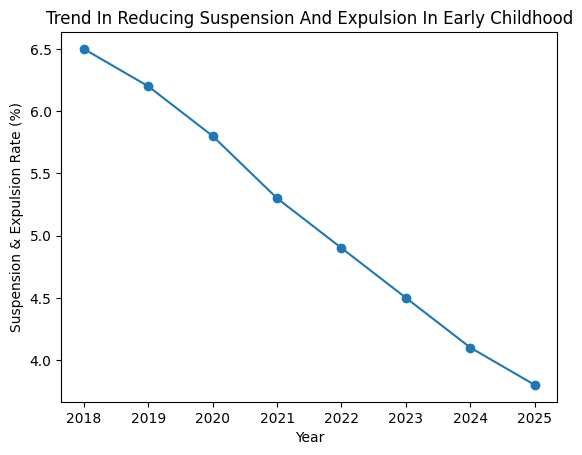
Programs committed to Reducing Suspension and Expulsion in Early Childhood invest in equity-focused training and reflective supervision. By examining patterns and questioning assumptions, educators can make more fair and thoughtful decisions. Equity-driven approaches shift the focus from control to understanding and inclusion.
Strengthening Family Partnerships
Families are essential partners in supporting young children’s behavior. Open, respectful communication builds trust and allows concerns to be addressed early. When families and educators work together, strategies are more consistent and effective. Reducing Suspension and Expulsion in Early Childhood depends on viewing families as collaborators rather than sources of blame. Sharing observations, celebrating strengths, and co-creating solutions lead to better outcomes for children and stronger relationships between home and school.
Policy And Program Leadership
- Leadership plays a critical role in sustaining change. Program administrators set the tone for how behavior is addressed and what supports are prioritized. Clear policies that limit suspension and expulsion, paired with access to resources, create accountability and consistency.
- At the policy level, investment in early childhood mental health, workforce development, and data collection strengthens system-wide efforts. Reducing Suspension and Expulsion in Early Childhood requires alignment between classroom practice, program leadership, and broader policy goals.
Moving Forward
The movement toward more inclusive and supportive discipline practices in early learning is gaining momentum. However, lasting change requires continued commitment, reflection, and investment. Reducing Suspension and Expulsion in Early Childhood is not about ignoring behavior or lowering expectations. It is about recognizing that young children learn best in environments built on trust, guidance, and connection. When early childhood programs replace exclusion with understanding and support, they create spaces where all children can thrive. The result is stronger classrooms, healthier families, and a more equitable foundation for lifelong learning.
FAQs on Reducing Suspension and Expulsion in Early Childhood
What Does Suspension and Expulsion Mean in Early Childhood Settings
Suspension refers to temporarily removing a child from an early learning program, while expulsion means permanently dismissing a child from the program.
Why Is Reducing Suspension And Expulsion In Early Childhood So Important
Early childhood is a critical period for emotional, social, and cognitive development. Exclusion from learning environments can disrupt this growth, increase stress, and contribute to long-term academic and behavioral challenges.
What Behaviors Most Often Lead To Suspension Or Expulsion
Behaviors commonly linked to suspension include aggression, emotional outbursts, difficulty following routines, and challenges with peer interactions.
How Can Early Educators Prevent Challenging Behavior
Educators can prevent challenging behavior by using consistent routines, positive guidance strategies, social emotional learning, and strong relationship-building practices.