
When families begin exploring early intervention services, one concept often stands out as both important and confusing: Defining Natural Environments under IDEA Part C. It sounds like legal language, but in practice, it directly affects where services happen, how children learn, and how involved families become in the process.
At its heart, this idea is about meeting children where they already are physically, emotionally, and developmentally. Under IDEA Part C, early intervention is not meant to feel like a clinical appointment squeezed into a busy day. Instead, it is designed to blend into everyday life. Understanding what natural environments really mean helps families advocate for appropriate services and helps providers deliver support that actually works in real-world settings.
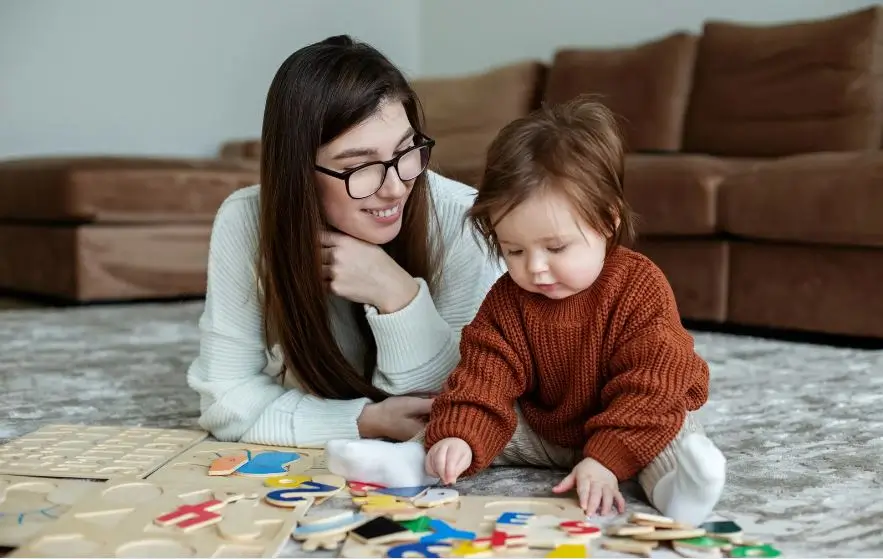
Defining Natural Environments under IDEA Part C means identifying everyday places and situations where infants and toddlers without disabilities typically spend their time. These environments are familiar, comfortable, and part of a child’s normal routine. They are not selected because they are convenient for providers, but because they support meaningful learning. Natural environments include more than physical locations. They also include daily activities, social interactions, and routines that naturally occur throughout the day. When services are delivered in these environments, children have more chances to practice skills in ways that feel natural rather than forced. This approach increases the likelihood that new skills will be used consistently and independently.
Table of Contents
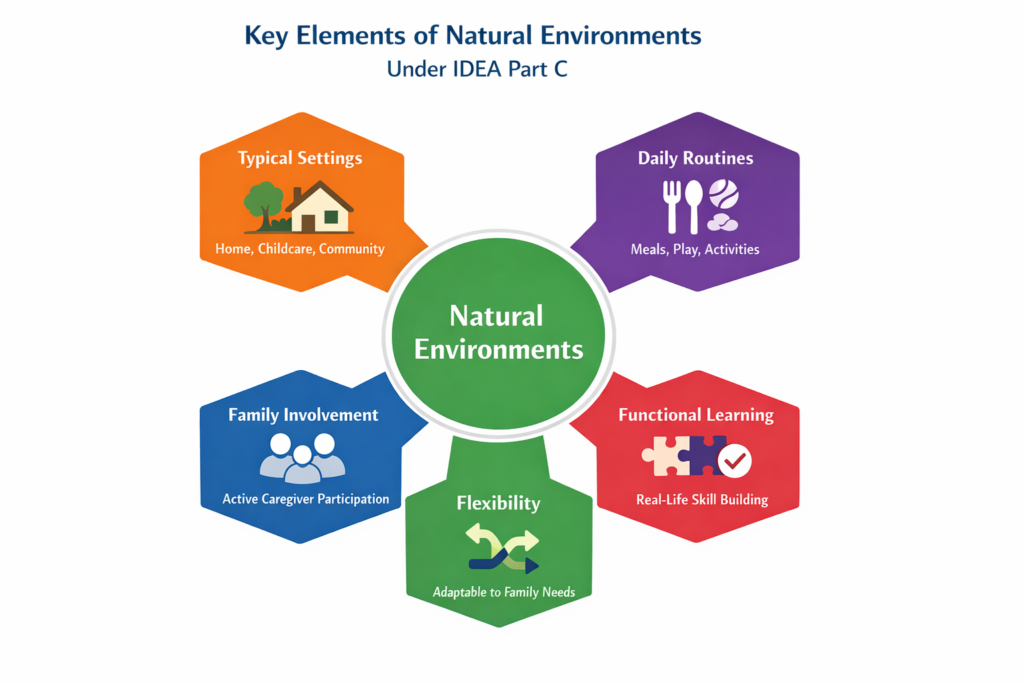
Natural Environments
| Key Element | Description |
|---|---|
| Typical Settings | Places children normally spend time |
| Daily Routines | Everyday activities like meals and play |
| Family Involvement | Caregivers actively participate |
| Functional Learning | Skills practiced in real situations |
| Flexibility | Services adapt to family lifestyles |
Defining Natural Environments under IDEA Part C is about aligning early intervention with real life. It reflects a philosophy that values everyday experiences, family involvement, and meaningful participation. By focusing on where children naturally live, play, and learn, early intervention becomes more effective and more respectful of family life. When services fit into daily routines, children gain skills that last, families feel empowered, and early intervention fulfills its true purpose supporting development in ways that make sense for real families in real environments.
Statutory Definition Of Natural Environments
- IDEA Part C defines natural environments as settings that are natural or typical for a same-aged infant or toddler without a disability. This definition sets a clear expectation that early intervention services should reflect normal childhood experiences.
- Defining Natural Environments under IDEA Part C also includes an important requirement. If a service cannot be provided effectively in a natural environment, the IFSP team must document why. This ensures that decisions are driven by the child’s needs rather than system limitations or provider preference. Natural environments are the default, not the exception.
Purpose Of Providing Services In Natural Environments
One of the main purposes of providing services in natural environments is to support learning that transfers into daily life. Young children learn best through repetition, interaction, and play. When intervention strategies are embedded into everyday routines, children have more opportunities to practice skills throughout the day. Another purpose of Defining Natural Environments under IDEA Part C is to support families as primary partners. Parents and caregivers are with the child far more than any professional. When they understand how to support development during normal activities, progress becomes more consistent and sustainable.
Role Of The Individualized Family Service Plan
- The Individualized Family Service Plan, or IFSP, plays a central role in how natural environments are selected and used. The IFSP outlines the child’s developmental needs, family priorities, and the settings where services will take place.
- Defining Natural Environments under IDEA Part C is a collaborative decision made by the IFSP team. Families are equal partners in this process. If services are delivered outside a natural environment, the IFSP must clearly explain the reason and describe how skills will be supported in everyday routines.
Types Of Natural Environments
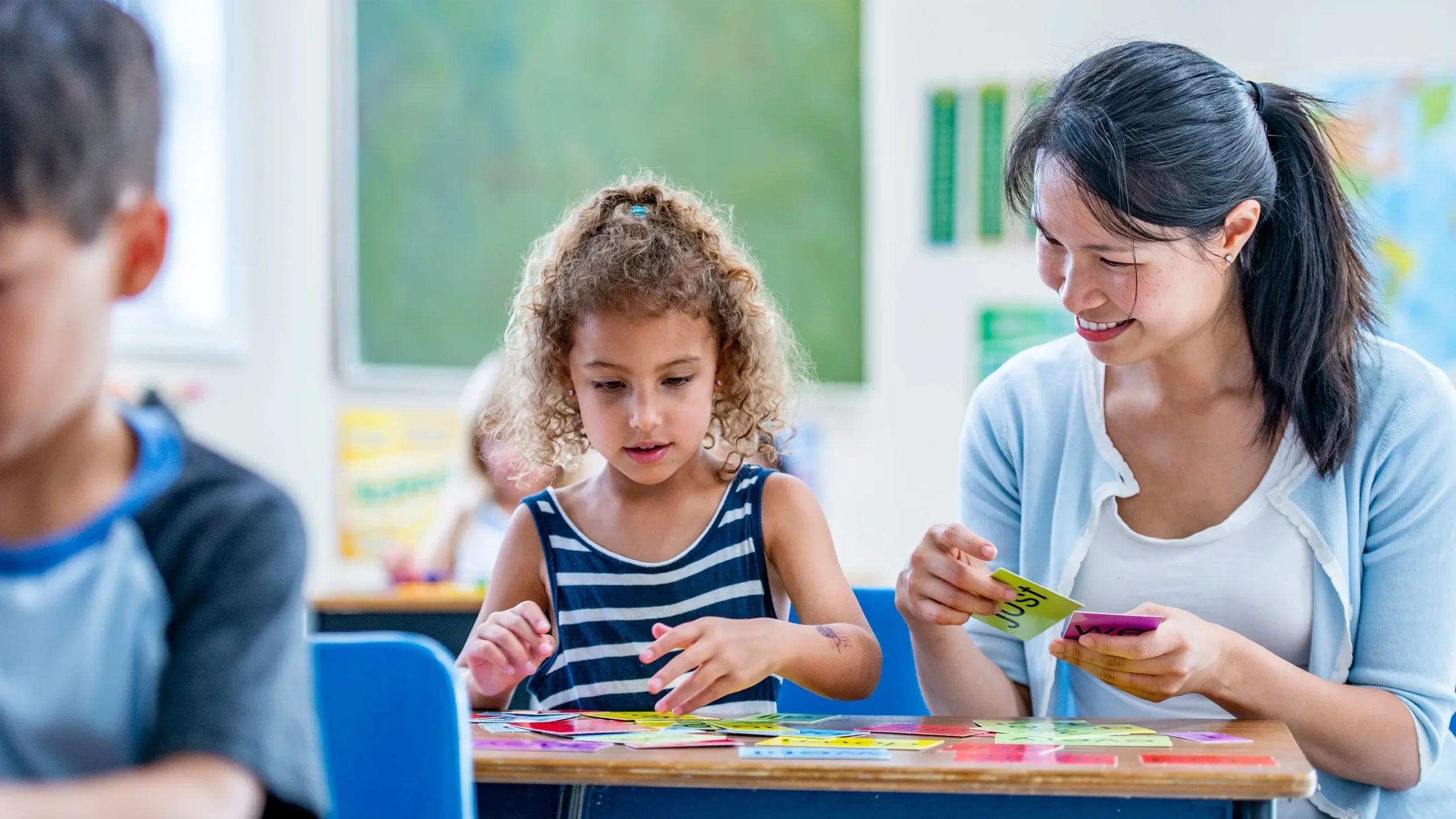
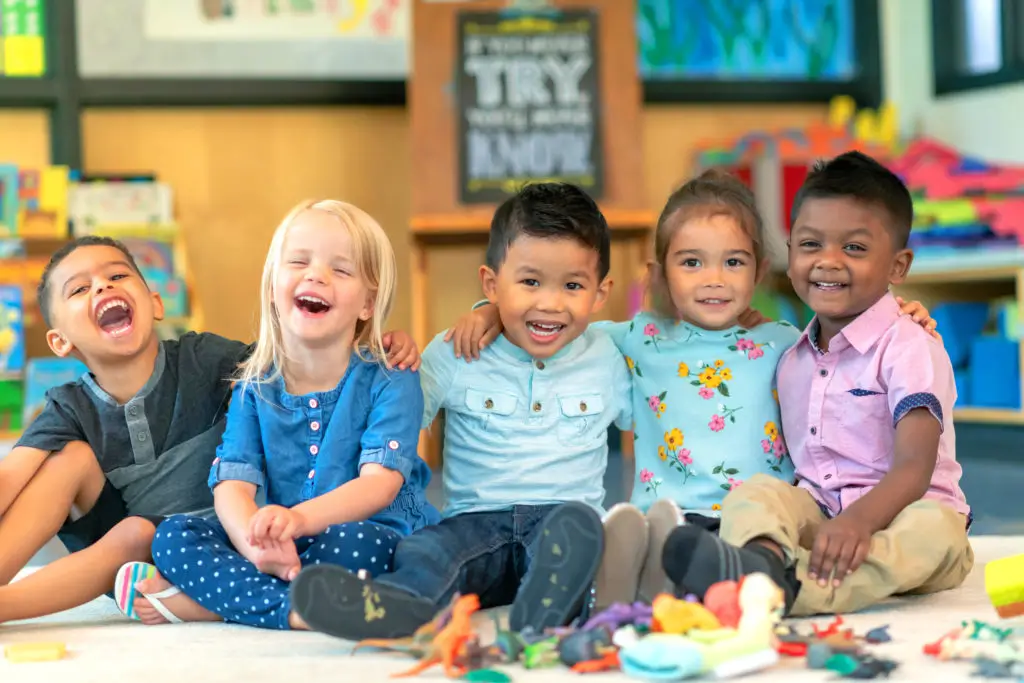
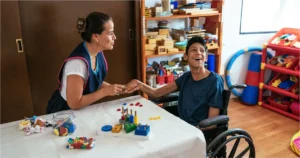
- Natural environments vary from child to child. For infants, the home is often the primary environment. For toddlers, childcare centers, preschools, or family childcare homes may be where most learning occurs.
- Community spaces can also be natural environments. Parks, libraries, playgroups, and community classes may all qualify if they are part of the child’s regular routine. When Defining Natural Environments under IDEA Part C, the key factor is whether the environment is typical and meaningful for that child and family.
Family Centered Practices In Natural Environments
Family-centered practice is deeply connected to natural environments. Instead of focusing only on the child, providers work closely with caregivers to build confidence and skills. Coaching, modeling, and shared problem-solving are common approaches. Defining Natural Environments under IDEA Part C supports this practice by recognizing families as the most important influence in a child’s development. When caregivers are comfortable using strategies during everyday routines, intervention becomes part of life rather than an added burden.
Benefits Of Natural Environments for Child Development
- Children are more likely to use and retain skills when they learn them in familiar settings. Natural environments provide meaningful contexts for learning communication, motor, social, and self-help skills.
- Defining Natural Environments under IDEA Part C also supports emotional development. Familiar surroundings reduce stress and increase engagement. Children are more relaxed, and families feel more confident participating in services. This positive dynamic supports stronger relationships and better long-term outcomes.
Supporting Learning Through Daily Routines
- Daily routines are a powerful learning opportunity. Activities like dressing, mealtime, bath time, and play naturally repeat throughout the day. When intervention strategies are built into these routines, learning happens without feeling like extra work.
- Defining Natural Environments under IDEA Part C encourages providers to look beyond structured sessions and focus on how skills fit into real life. This approach respects family schedules and makes intervention more realistic and effective.
Collaboration Between Providers And Families
Successful early intervention depends on strong collaboration. Providers bring professional knowledge, while families bring deep understanding of their child and daily life. Natural environments create space for this partnership to grow. Defining Natural Environments under IDEA Part C helps shift the provider role from “expert delivering therapy” to “coach supporting the family.” This collaboration leads to shared goals, better follow-through, and stronger results.
When Services Are Not Provided In Natural Environments
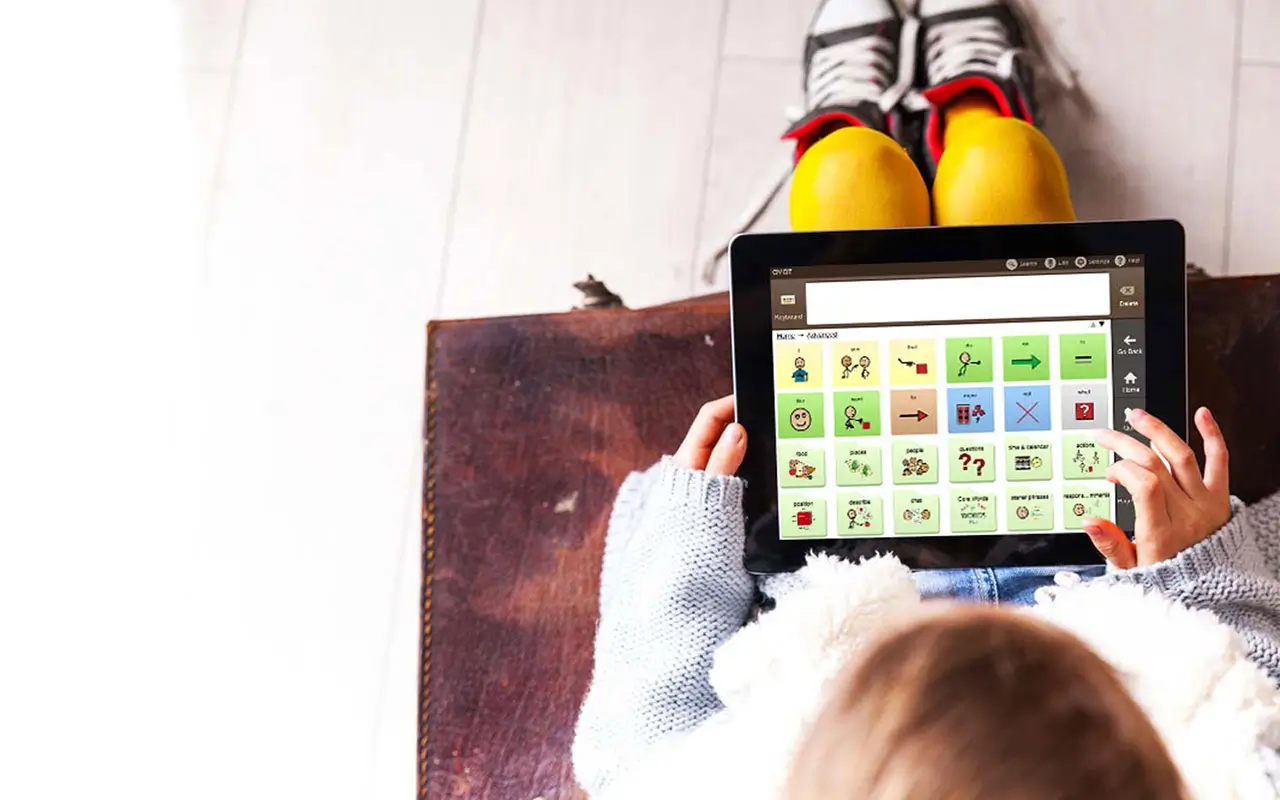
- Although natural environments are preferred, there are situations where services may occur elsewhere. Some children require specialized equipment or intensive instruction that cannot be delivered effectively in everyday settings.
- Defining Natural Environments under IDEA Part C requires that these decisions are carefully documented. The IFSP must explain why another setting is needed and how services will still support the child’s participation in daily routines. The ultimate goal remains integration into natural environments whenever possible.
Common Misunderstandings About Natural Environments
- One common misunderstanding is that natural environments mean services must always occur at home. In reality, natural environments are based on where the child normally spends time, which may include childcare or community settings.
- Another misconception is that natural environments reduce the quality of intervention. In fact, they often improve outcomes by making learning more meaningful and consistent. Defining Natural Environments under IDEA Part C emphasizes quality through relevance, not location alone.
Importance Of Flexibility And Individualization
- Every family is different, and natural environments should reflect that. What works for one child may not work for another. Flexibility is essential to meeting diverse needs.
- Defining Natural Environments under IDEA Part C allows teams to individualize services while maintaining a strong focus on everyday life. This balance ensures that intervention remains both effective and respectful of family circumstances.
Long Term Impact of Natural Environments
The benefits of natural environments extend beyond early intervention. Skills learned in real-life settings are more likely to carry over into preschool, school, and community life. Defining Natural Environments under IDEA Part C helps build independence, confidence, and family capacity. These outcomes support long-term success and reduce the need for intensive services later.
FAQs on Natural Environments
What Is Meant by Natural Environment in IDEA Part C
A natural environment is any setting that is typical for a child’s age, such as home, childcare, or community locations where the child normally spends time.
Are Early Intervention Services Required To Take Place At Home
No. Services can occur in any natural environment that fits the child’s routine, including childcare centers or community spaces.
Can Services Ever Be Provided Outside Natural Environments
Yes. If services cannot be effectively delivered in a natural environment, the IFSP team may approve another setting with proper documentation.
Why Are Natural Environments So Important In Early Intervention
Children learn best through everyday activities and interactions, making natural environments ideal for meaningful and lasting learning.
Who Decides What A Child’s Natural Environment Is
The IFSP team, including the family, decides which environments are natural and appropriate for delivering services.