
The shift from early intervention services at home to a preschool setting is a meaningful milestone for both children and families. For many parents, the Part C to Part B transition brings excitement along with uncertainty. Children who once received support in familiar surroundings now begin learning in a structured environment with new routines, teachers, and peers. Understanding how the Part C to Part B transition works helps families feel prepared and confident rather than anxious about what comes next. This transition represents more than a change in location. It marks the beginning of a child’s formal educational journey, where learning goals expand beyond developmental support to include social interaction, independence, and early academic readiness. Families often notice differences in how services are planned and delivered, which is why early awareness and preparation matter. When parents understand the process and stay involved, the transition becomes a positive step that supports long-term growth and success.
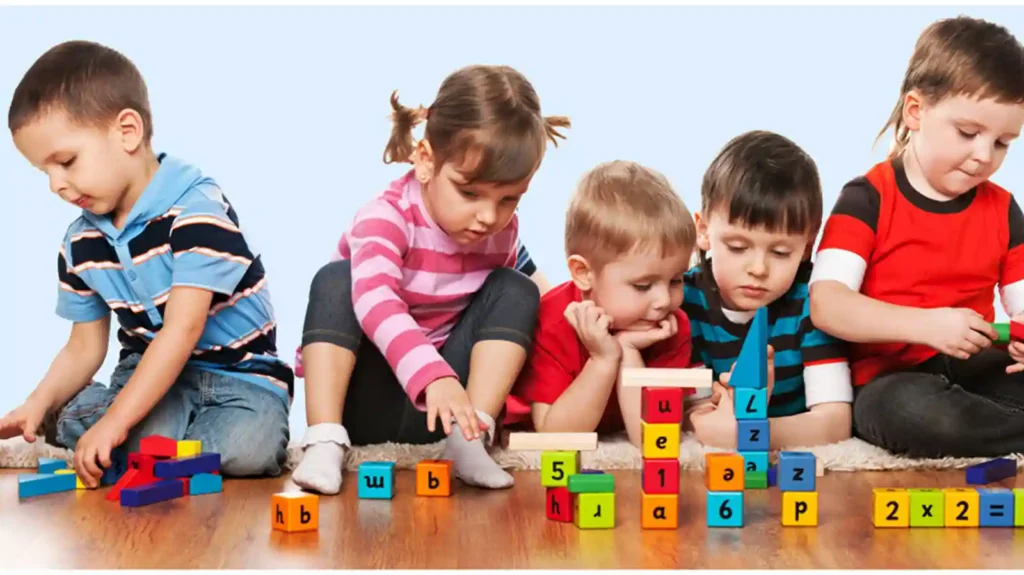
The Part C to Part B transition refers to the process in which children receiving early intervention services move into preschool special education services, usually around their third birthday. During this time, responsibility shifts from early intervention providers to the local school district, and the focus gradually changes from family-centered support to educational development. Children begin participating in classroom routines, interacting with peers, and working toward goals that prepare them for kindergarten and beyond. Planning for this transition typically begins months in advance to ensure evaluations, eligibility decisions, and program planning are completed without interrupting services. Families, therapists, and educators collaborate closely to make sure the child continues receiving appropriate support while adjusting to a new learning environment.
Table of Contents
Part C (Home) to Part B (Preschool)
| Key Aspect | Part C (Early Intervention) | Part B (Preschool Services) |
|---|---|---|
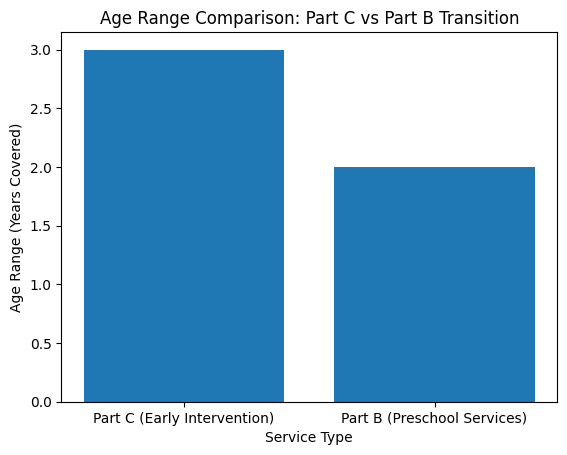
| Age Range | Birth to age 3 | Ages 3–5 |
| Service Location | Home or community settings | Preschool or school setting |
| Main Focus | Development within daily routines | Educational readiness and learning |
| Plan Type | Individualized Family Service Plan (IFSP) | Individualized Education Program (IEP) |
| Family Role | Family-centered services | Parent participation in educational planning |
| Service Delivery | Flexible, routine-based | Structured classroom environment |
| Responsible Agency | Early intervention program | Local school district |
Understanding Part C And Part B Services
- Part C services are designed to support infants and toddlers who show developmental delays or disabilities. These services are typically delivered in the home or community, where children feel comfortable and secure. Providers often work directly with families, showing parents how to encourage communication, movement, and social skills during everyday activities like playtime or meals. The goal is to strengthen development through natural routines while empowering families to support their child’s progress.
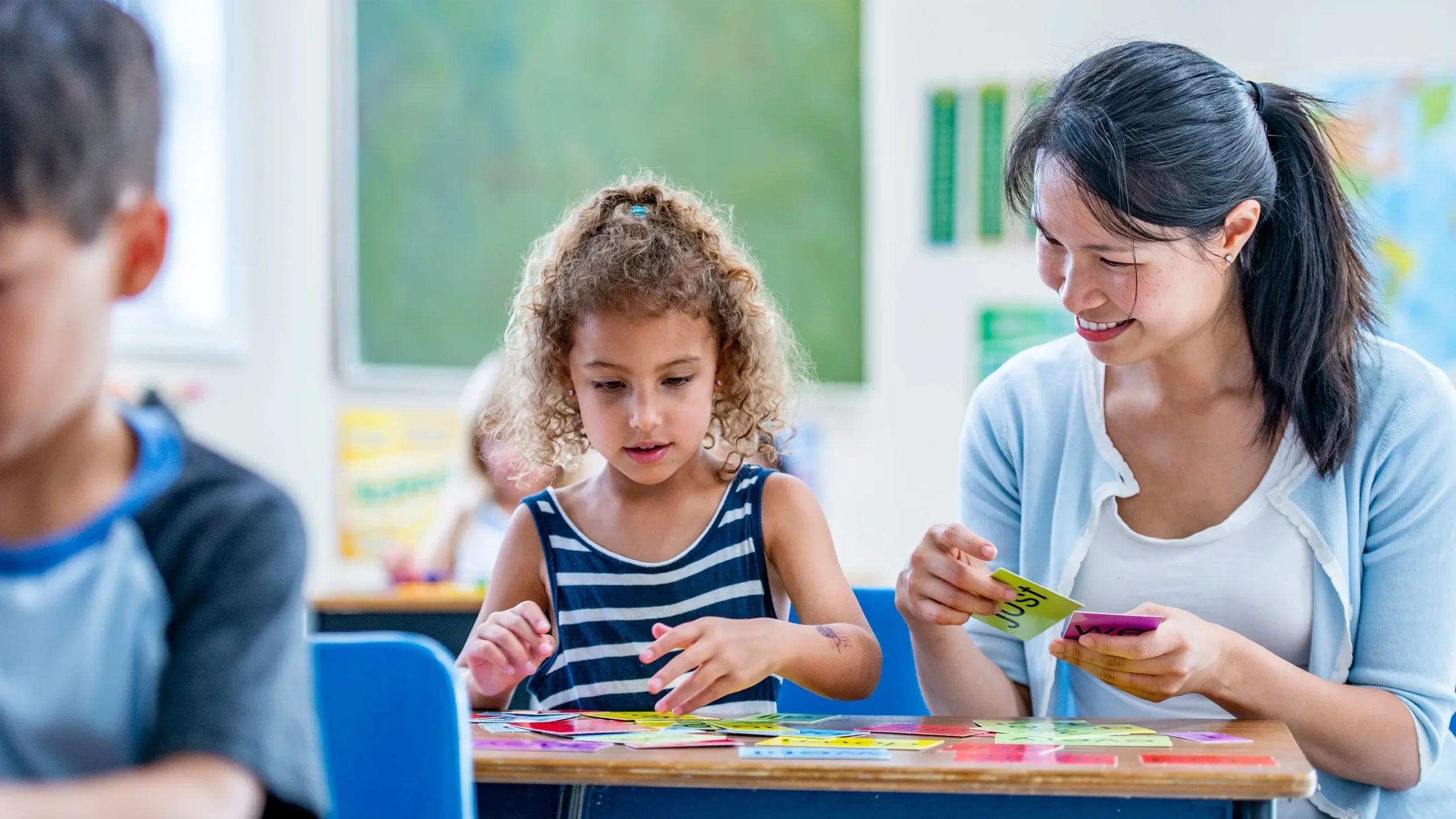
- Part B services differ because they are education-focused. Once children enter preschool programs, learning happens in a classroom environment with structured schedules and group activities. Therapy services may still be provided, but they are usually integrated into classroom routines rather than delivered individually at home. Understanding these differences helps families adjust expectations during the Part C to Part B transition and prepares children for new experiences.
Key Differences Between Home-Based And Preschool Services
- One of the most noticeable changes during the Part C to Part B transition is the shift in environment. Home-based services are flexible and centered around family life. Sessions can adapt to the child’s mood, daily routine, or specific needs on a given day. Preschool settings, however, follow a consistent schedule that includes group learning, transitions between activities, and classroom expectations.
- Another important difference is how goals are created. Early intervention goals often focus on daily living skills and family priorities, such as improving communication during play or increasing independence at home. Preschool goals are aligned with educational outcomes, including social participation, early literacy, communication in group settings, and readiness for kindergarten. This change helps children develop skills needed for long-term academic success.
The Transition Planning Process
Planning for the Part C to Part B transition usually begins six to nine months before a child turns three. Starting early allows families enough time to understand available options and participate in decision-making. Transition meetings are typically organized to bring together early intervention providers, school district representatives, and parents to discuss next steps. These meetings provide an opportunity to review the child’s progress, discuss concerns, and explore possible preschool placements. Families are encouraged to ask questions and share their expectations. Open communication during this stage helps ensure that the child’s strengths and needs are clearly understood before entering a new environment.
Evaluation And Eligibility
Before a child begins preschool special education services, the school district conducts an evaluation to determine eligibility. This process may include developmental assessments, classroom observations, and discussions with parents and previous service providers. The goal is to understand how the child learns and what type of support may be required in a preschool setting. It is important for families to know that eligibility criteria for Part B services may differ from early intervention requirements. Some children who qualified for Part C services may not meet preschool eligibility standards. In these situations, families can explore community preschool programs, private therapies, or other support options to continue encouraging development.
Developing The Individualized Education Program (IEP)
- If a child qualifies for preschool services, an Individualized Education Program is developed. The IEP outlines learning goals, services, accommodations, and the educational setting that best supports the child. Unlike the IFSP used in early intervention, the IEP focuses primarily on educational participation and progress within the classroom.
- Parents remain essential members of the IEP team. Their input helps ensure that goals are meaningful and realistic. Regular meetings allow adjustments to be made as the child grows and their needs change. A well-developed IEP plays a key role in making the Part C to Part B transition successful.
Supporting Children Emotionally During The Transition
Transitions can be challenging for young children, especially when they involve new environments and unfamiliar routines. Moving from home-based services to a classroom means adapting to new expectations and social situations. Preparing children gradually can make this adjustment smoother. Simple steps such as visiting the preschool beforehand, meeting teachers, or talking about what a typical day will look like can reduce anxiety. Maintaining familiar routines at home also helps children feel secure while adapting to change. Encouragement and patience during this period go a long way in helping children feel confident in their new surroundings.
The Role of Families in a Successful Transition
Families play one of the most important roles in the Part C to Part B transition. Staying informed, attending meetings, and communicating openly with service providers helps ensure that decisions reflect the child’s needs. Parents who actively participate often feel more confident about the process and better prepared to support their child. Building a partnership with teachers and therapists creates consistency between home and school. Sharing information about the child’s interests, strengths, and challenges allows educators to create a supportive environment from the beginning. Collaboration helps children adjust more quickly and successfully.
Preparing For Long-Term Success
- The move from early intervention to preschool is a significant step toward independence and future learning. When families understand the transition process and remain involved, children benefit from continuity and stability. The skills developed during this stage support social growth, communication, and early learning abilities that carry into later school years.
- A thoughtful Part C to Part B transition is not just about changing services; it is about building a strong foundation for lifelong learning. With preparation, collaboration, and clear expectations, children can enter preschool ready to explore new experiences and develop the confidence needed for continued success.
FAQs on Part C (Home) to Part B (Preschool)
What Age Does the Part C To Part B Transition Happen?
The transition usually takes place when a child turns three years old, as early intervention services end and preschool special education services begin.
Is Every Child Eligible for Part B Services After Early Intervention?
No. Eligibility requirements for preschool services are different, so children must complete an evaluation to determine qualification.
How Early Should Families Start Preparing For The Transition?
Planning typically begins six to nine months before the child’s third birthday to allow enough time for evaluations and meetings.
What Is the Main Difference Between An IFSP And An IEP?
An IFSP focuses on family-centered developmental goals, while an IEP focuses on educational goals and classroom participation.