
Across classrooms, therapy centers, and family kitchens, visual timer clocks are emerging as a widely used tool to manage daily routines. Educators and clinicians say the devices — which display time through shrinking color or light — help children understand transitions, improve attention, and reduce behavioral conflicts, especially among students with attention-deficit/hyperactivity disorder (ADHD).
Table of Contents
Visual Timer
| Key Fact | Detail |
|---|---|
| ADHD prevalence | Roughly 1 in 10 U.S. children diagnosed |
| Behavior impact | Visual supports improve transitions and focus |
| Adoption trend | Schools increasingly adopting routine management tools |
What Are Visual Timer Clocks?
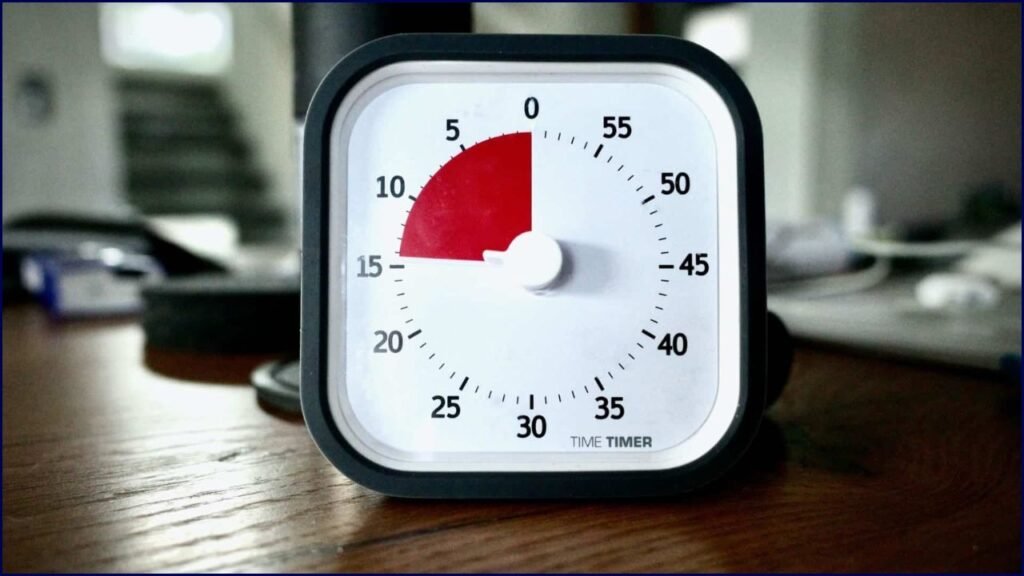
Unlike digital countdown timers, visual timer clocks represent time graphically rather than numerically. A colored disk, light bar, or ring gradually disappears as time passes.
The concept relies on a simple principle: people — especially children — understand what they can see.
Young children often lack an internal sense of duration. Five minutes and twenty minutes can feel nearly identical to them. Psychologists describe this as an immature “temporal processing” ability, a skill that develops slowly through late childhood.
“Time is abstract,” said Dr. Laura Markham, a clinical psychologist specializing in child development. “But when time becomes visible, it becomes predictable. Predictability reduces anxiety.”
These devices are frequently used during daily transitions:
- ending playtime
- starting homework
- cleaning up toys
- preparing for bedtime
- classroom activity changes
Why Transitions Cause Conflict
Many routine arguments between adults and children occur not because of disobedience, but because of abrupt transitions.
A sudden command — “Stop now” — forces the brain to shift tasks instantly. For developing brains, that shift is neurologically demanding.
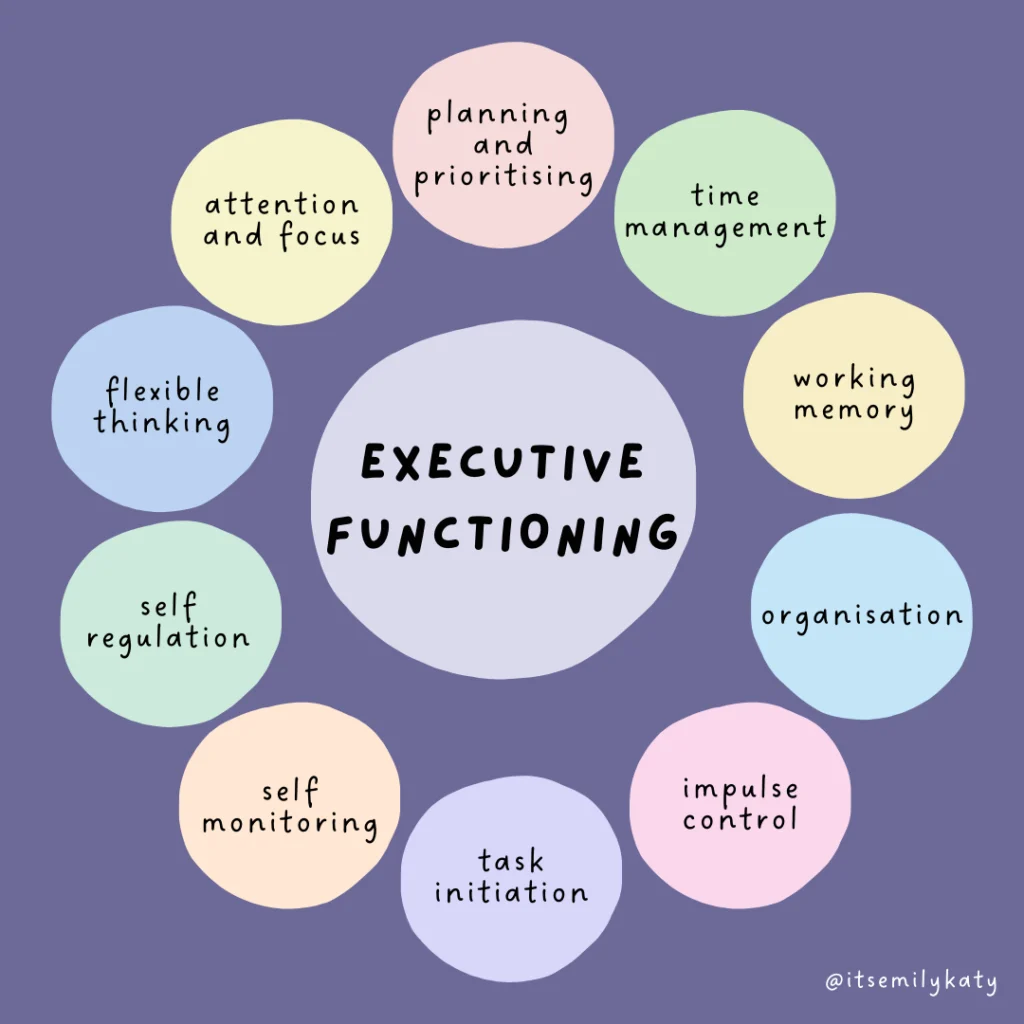
Researchers refer to this as executive function, a set of cognitive skills that includes planning, working memory, and impulse control.
Children and individuals with ADHD often struggle with “task shifting.”
“When a child is absorbed in an activity, stopping feels like loss of control,” explained Dr. Russell Barkley, a clinical psychologist and ADHD researcher. “A visual countdown gives the brain time to prepare.”
Growing Use in ADHD and Special Education
According to the U.S. Centers for Disease Control and Prevention (CDC), approximately 9–10% of American children have ADHD. Many experience difficulty organizing tasks, estimating time, and regulating attention.
Teachers and therapists say visual timer clocks help compensate for those challenges.
Rather than relying on memory or verbal reminders, the child can watch time physically passing.
Occupational therapist Karen O’Neill, who works with elementary school districts, said the change can be immediate.
“Students stop arguing with adults because the timer becomes the authority,” she said. “It removes personal conflict.”
Classrooms Adopting Routine Management Tools
In a Minnesota elementary school, second-grade teacher Megan Walters said daily transitions once disrupted her lessons.
“I would repeat instructions several times, and students still delayed,” she said. “Now I set the timer. When it ends, they move automatically.”
Teachers say visual timer clocks support:
- reading rotations
- group projects
- quiet time
- exam preparation
- cleanup periods
Educators describe the effect as behavioral rather than disciplinary. The timer changes expectations instead of enforcing rules.
“When students see a boundary, they respect it,” Walters said.
From Therapy Clinics to Homes
The devices were originally developed for autism intervention programs and behavioral therapy clinics. Over time, pediatric therapists began recommending them to parents.
Today they appear in kitchens, bedrooms, and homework desks.
Parents frequently report reduced conflicts around screen time and bedtime.
Pediatric occupational therapists say the reason is consistency.
“Five minutes is an adult concept,” said O’Neill. “A shrinking colored disk is a child’s concept.”
The Science of Time Perception
Human time perception depends on neural networks in the prefrontal cortex — an area still developing in children and often delayed in ADHD.
Researchers call visual timers external cognitive supports.
They act as a replacement for an internal clock that has not matured.
Studies in developmental psychology show visual time cues can:
- increase task completion
- improve self-regulation
- reduce emotional outbursts
- improve classroom participation
“When the brain cannot measure time internally, an external system works as scaffolding,” said Dr. Thomas Brown, a clinical psychologist specializing in ADHD.
International Adoption
The use of visual timer clocks is not limited to the United States.
Schools in the United Kingdom, Canada, Australia, and parts of Europe increasingly include visual supports in classroom behavior programs. Education ministries in several countries now recommend structured routines for younger students.
Special education specialists in Finland and the Netherlands use similar tools in inclusive classrooms, where students with different learning needs study together.
Education analysts say the trend reflects broader changes in pedagogy.
Schools are moving away from punishment-based discipline toward preventive behavioral supports.
Pandemic Learning and Routine Loss
During remote learning in 2020 and 2021, many families discovered how difficult home schooling could be without structure.
Parents struggled to recreate classroom schedules. Many turned to routine management tools, including visual timer clocks.
Retailers reported increased sales during this period. Even after students returned to school, demand continued.
Education researchers say children experienced “routine disruption” during lockdowns. Structured timing aids helped restore predictability.
Criticism and Limitations of Visual Timer
Experts caution that visual timer clocks are supportive tools, not solutions.
They do not replace:
- behavioral therapy
- medical treatment
- individualized education plans
Some critics argue over-reliance may prevent children from learning internal time awareness.
However, clinicians generally disagree.
“The goal is independence,” said Markham. “External supports gradually train internal skills, much like training wheels on a bicycle.”
Technology and Digital Versions
Newer versions now exist as mobile applications and smart-home integrations.
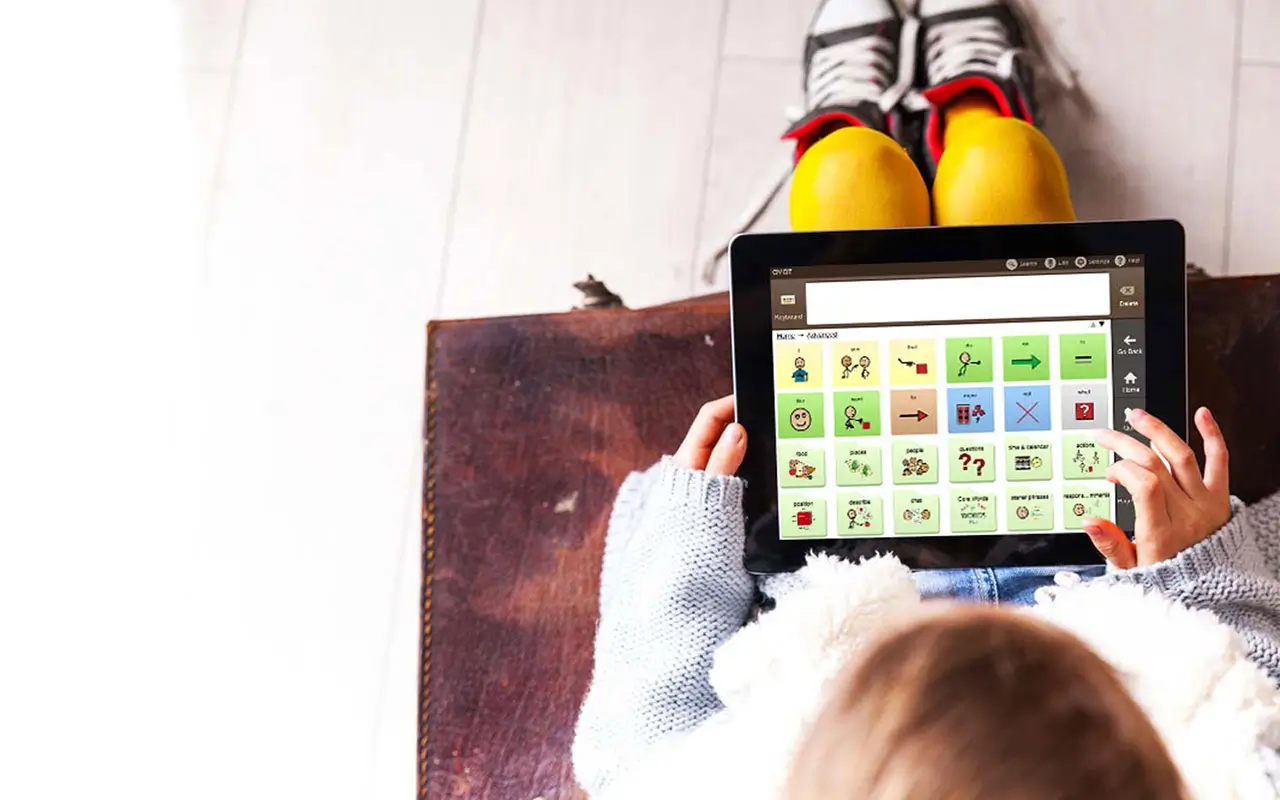
Some apps project countdowns onto tablets, classroom boards, or wall displays. Others connect to smart speakers to announce transitions.
Educators say physical timers still work best for younger children because they are visible from anywhere in a room and do not depend on screens.
Broader Changes in Parenting and Education
The growing popularity of visual timer clocks reflects a broader cultural shift.
Researchers increasingly view behavior as a skill gap rather than intentional misbehavior.
Instead of asking, “Why won’t the child obey?” educators now ask, “What skill is the child missing?”
Visual supports teach:
- planning
- anticipation
- emotional regulation
- independence
“It’s a communication tool,” said O’Neill. “It tells the child what is coming next.”
Market Growth and Consumer Demand
Manufacturers report expanding customers beyond therapists and special-education programs.
Parents, daycare centers, homeschooling families, and workplaces now purchase the devices.
Adult professionals with ADHD also use them for productivity methods such as timed work sessions.
Workplace coaches say visible countdowns help reduce procrastination.
What Comes Next
School districts are beginning to include structured routine tools in classroom supply budgets. Occupational therapists expect continued adoption as educators address attention and behavioral challenges.
“Predictability supports learning,” O’Neill said. “Children learn better when they feel safe about what happens next.”
The small device — once confined to therapy rooms — is becoming a common classroom fixture, suggesting a shift toward supportive learning environments rather than reactive discipline.
FAQs About Visual Timer
What age benefits most?
Typically ages 3–12, though teens and adults with ADHD also use them.
Do they replace therapy?
No. They support routines but do not treat medical or behavioral conditions.
Why do they reduce tantrums?
They provide warning and predictability before transitions.