
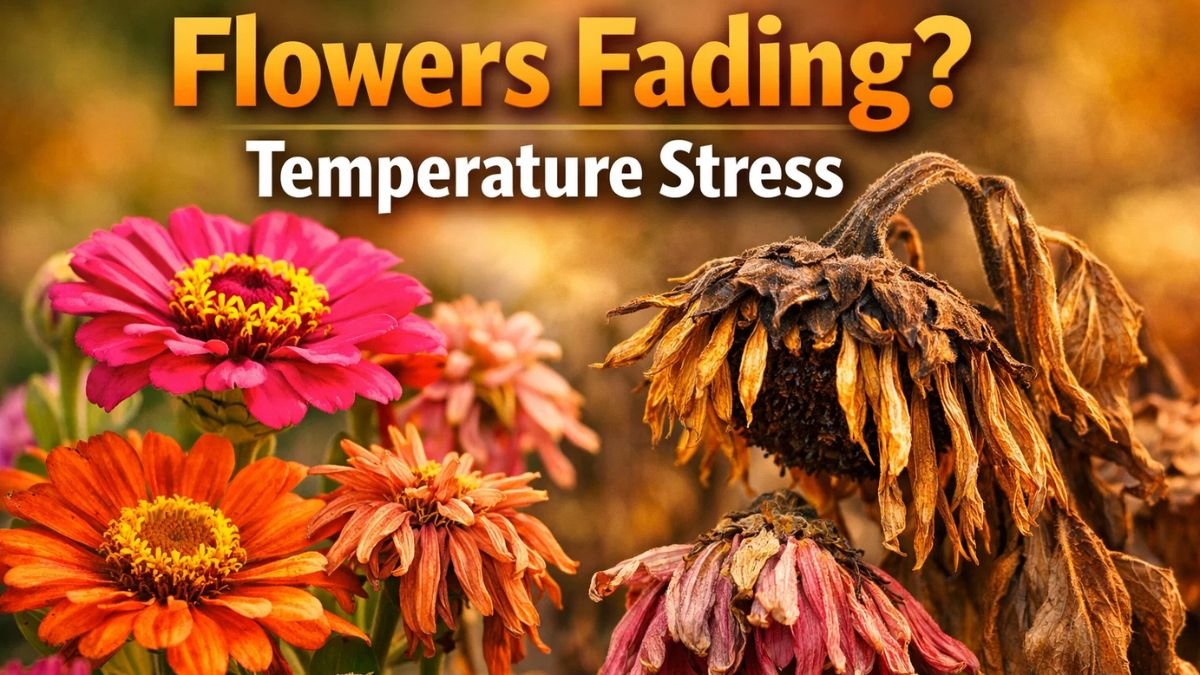
Flowers have always been a symbol of beauty, serenity, and emotional expression. Whether they bloom in your garden, brighten up your living room, or arrive carefully wrapped as a gift, their presence adds a certain charm that nothing else quite matches. Yet many people feel disappointed when their fresh, vibrant flowers fade too quickly. You arrange them lovingly in a vase, water them, and place them where they look the most beautiful, only to notice within a short time that their petals have wilted or their colors have dulled. While many factors can shorten the life of a flower, one of the most underestimated yet powerful contributors is temperature stress. Understanding why and how temperature affects flowers can help you preserve their freshness for much longer.
The Delicate Nature of Flowers and Their Sensitivity to Environment
Flowers may look resilient, but they are among the most delicate living structures in nature. Every flower is an intricate combination of thin petals, membrane layers, water channels, and plant cells that respond rapidly to environmental changes. Unlike humans or animals, they cannot adapt easily or protect themselves when exposed to harsh conditions. Temperature is one of the conditions that their fragile structure struggles with the most. When the temperature around a flower fluctuates too quickly or reaches extremes, it begins to lose moisture rapidly, its cells break down faster, and its natural blooming cycle becomes disrupted.
What many people do not realize is that flowers function like living organisms even after being cut. They continue to breathe, absorb water, and exchange gases. Because of this, they are just as sensitive to environmental shifts as they were while attached to the plant. When exposed to the wrong temperature, their metabolism speeds up or slows down in ways that stress them, leading to early fading.
How Temperature Stress Begins: The Moment a Flower Leaves Its Natural Habitat
To understand temperature stress, imagine the journey of a flower from the garden or greenhouse to your home. Inside a greenhouse, flowers grow in a controlled environment where heat, humidity, and sunlight levels are monitored carefully. But the moment they are cut and transported, the conditions become unpredictable. Exposure to sun during delivery, refrigerated transport, sudden shifts from cold storage to warm room temperatures, or placement near heaters or windows all contribute to temperature shock. This shock disrupts the natural processes of the flower and forces it to adjust rapidly, which consumes energy that would otherwise go toward maintaining its freshness.
Temperature stress does not happen only once. It can occur at multiple stages before the flower reaches you. Even a few minutes in an overheated car or an overly cold storeroom can shorten the lifespan of a flower dramatically. By the time you receive it, it may already be weakened, making it more susceptible to wilting or fading even if you take care of it properly.
The Science Behind Wilting: Why Heat Accelerates Flower Aging
Heat is one of the biggest reasons flowers fade before their time. When flowers are exposed to high temperatures, their internal water evaporates faster than they can absorb more. The petals, being thin and delicate, lose moisture very quickly. As moisture disappears, the cells inside the petals begin to collapse, resulting in drooping, shriveling, and loss of color.
High temperatures also cause flowers to release more ethylene, a natural plant hormone responsible for aging. In moderate amounts, ethylene plays a normal role in bloom development. But when heat increases its production, the flower enters an accelerated aging mode, which shortens its lifespan drastically. This is why a flower placed near a sunny window, a warm kitchen, or a heating vent will fade much more quickly.
Another effect of heat is the stimulation of microorganisms. Warm environments allow bacteria to multiply rapidly in vase water. These bacteria enter the stem, block water absorption, and cause the flower to dry out from the inside. Even if the flower looks fresh initially, it may fade within a day or two because its water pathways have been compromised.
Cold Stress: The Silent Flower Killer You Might Not Notice
While most people know that heat can damage flowers, many overlook the harmful effects of cold exposure. Cold stress occurs when flowers are exposed to temperatures lower than what they are naturally adapted to. When cold air hits the petals, the water inside the cells can freeze or crystallize. Even if the freezing is not visible to the naked eye, the microscopic damage can cause petals to become soft, watery, and discolored shortly after returning to normal temperatures.
Flowers left in a cold car, kept in a refrigerator that is too cold, or placed near an air conditioner may appear fine at first, but the damage becomes noticeable over time. The petals become limp, brownish, or translucent, and the flower struggles to stay upright. Many delicate flowers such as roses, orchids, and lilies are particularly sensitive to cold drafts and can start fading prematurely even from short exposure.
Cold stress also reduces the flower’s ability to take up water. When its cells are damaged, it cannot maintain strong vascular pressure, leaving stems soft and petals dehydrated. This leads to early wilting even if you place the flower in clean water immediately.
The Role of Sudden Temperature Fluctuations and Why They Are Worse Than Constant Extremes
While constant extreme temperatures are harmful, sudden fluctuations are often more damaging. Rapid temperature changes force the flower to expend significant energy adjusting its internal processes. This creates internal stress that accelerates decay. For example, bringing a flower from a cold outdoor environment into a warm room causes condensation to form on the petals. This moisture can attract bacteria or fungi, causing discoloration or decay.
Similarly, moving flowers from a warm room into a refrigerator or exposing them to quick drafts of cold air can shock them. Flowers need gradual changes in temperature to stabilize. When they do not get this, their cell membranes weaken, water transport is disrupted, and blooming patterns are affected.
Understanding this helps explain why flowers purchased during extreme weather seasons often fade faster. Whether it is winter or summer, the sudden shift between outdoor temperatures and indoor climate control becomes a source of temperature stress.
Indoor Placement: How Common Household Spots Can Harm Your Flowers
Many people unknowingly place flowers in areas where temperature stress is almost guaranteed. A vase sitting near a kitchen stove may experience repeated heat exposure every time cooking begins. Flowers kept near windows may receive direct sunlight during certain hours of the day, causing overheating. Air conditioners and fans create uneven temperature pockets in the room, which can dry out petals faster.
Even placing flowers near electronics such as televisions, computers, or lamps can expose them to constant heat emissions. Though the temperature increase may seem minor to you, it is enough to cause cellular stress inside fragile petals.
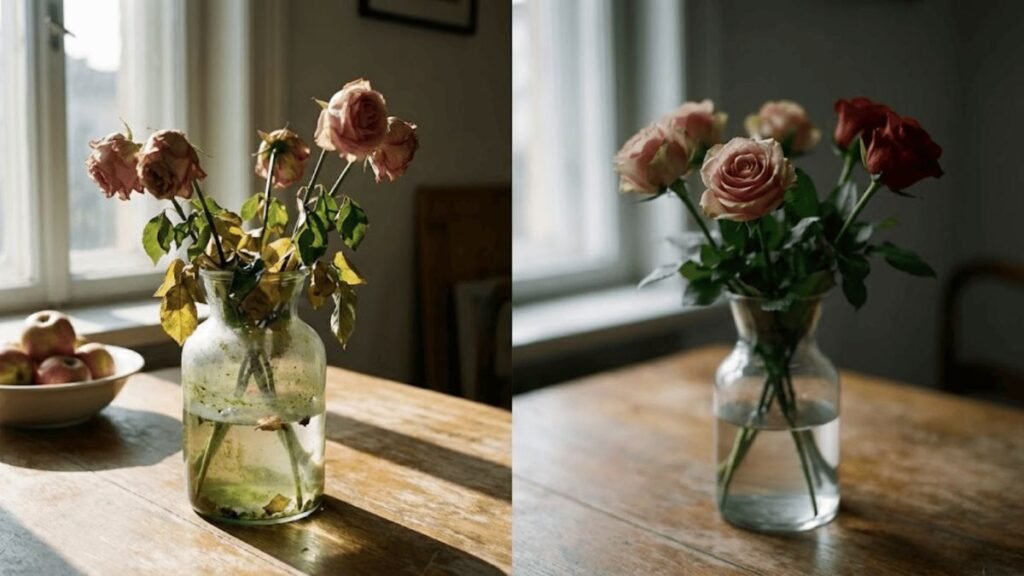
To protect your flowers, they should be kept in a cool, stable environment away from temperature fluctuations. A shaded table, a cool corner of the room, or an area with mild indirect sunlight helps flowers remain fresher for a longer time.
Moisture, Temperature, and Longevity: How They Work Together
Temperature alone does not determine the life of your flowers. It interacts closely with moisture levels, humidity, and air movement. Flowers kept in a cool, humid area last much longer because moisture prevents rapid evaporation from the petals. In contrast, a dry, warm environment causes flowers to lose water quickly. This is why flowers placed in air-conditioned rooms often fade faster despite the cool temperature, because air conditioners remove moisture from the air.
Maintaining a balanced environment helps the flower’s cells stay hydrated. Cool temperatures slow down respiration, reducing the flower’s energy consumption and extending its lifespan. When this is combined with fresh water and clean stems, flowers can remain vibrant for up to several extra days.
Understanding Seasonal Challenges: Why Flowers Behave Differently Throughout the Year
Different seasons bring different temperature risks for flowers. In summer, exposure to heat is the biggest challenge. Even a short trip in a hot car can significantly reduce the freshness of your flowers. During winter, the risk is reversed. Cold exposure during transport, drafty rooms, or placement near cold windows all contribute to early fading.
Seasonal humidity also plays a role. Summer air may be humid but hot, while winter air is often dry and cold. Both extremes lead to rapid dehydration of petals. Understanding these seasonal factors helps you take better care of your flowers depending on the time of year.
Conclusion: Temperature Stress Is the Hidden Reason Behind Quick Fading—But You Can Prevent It
Flowers are delicate living structures that react intensely to temperature. When they fade too quickly, temperature stress is often the silent culprit. Heat, cold, sudden temperature shifts, and poor indoor placement all combine to weaken flowers before they even have a chance to bloom fully in your home.
By understanding the effects of temperature stress, you gain the power to protect your flowers better. Keeping them in a cool, stable environment, avoiding direct heat or drafts, and reducing sudden temperature changes can significantly lengthen their life. Just a little awareness can transform the way your flowers behave, allowing you to enjoy their beauty for much longer.
With the right care and attention, your flowers do not have to fade quickly. They can continue to brighten your space and lift your mood, reminding you that even the most delicate things in nature can flourish when treated with thoughtfulness and care.