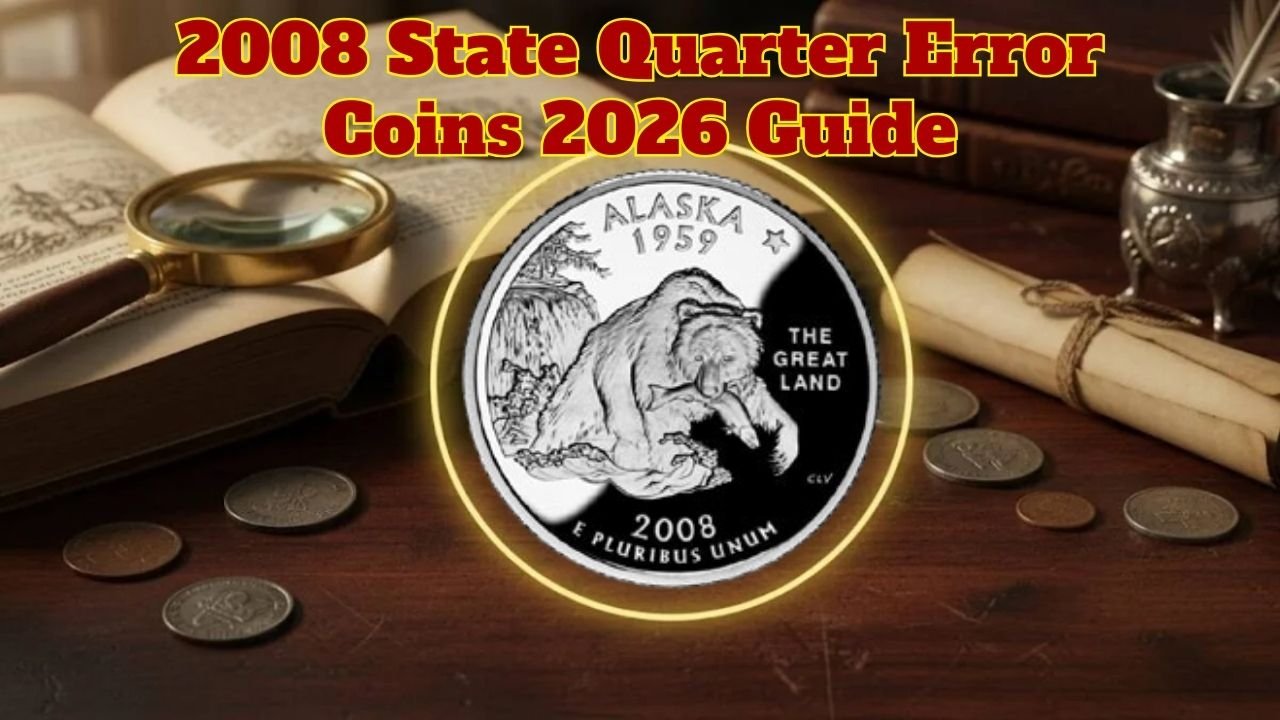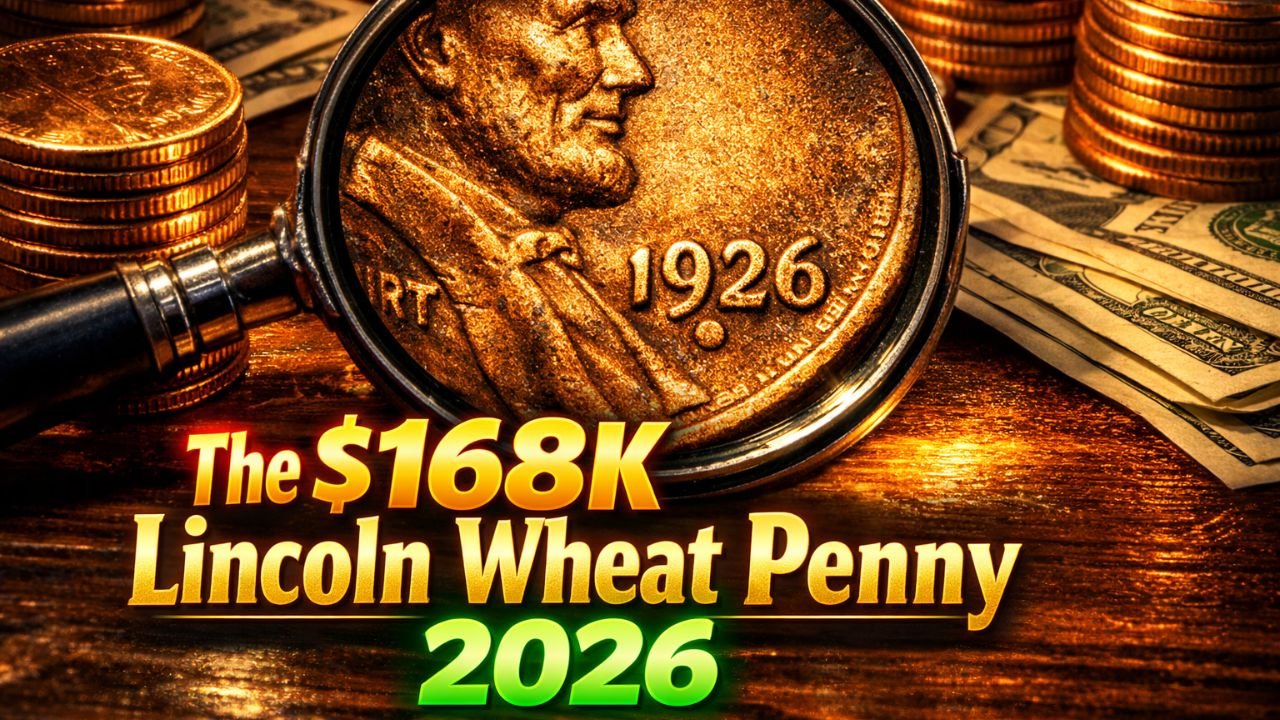

In the world of coins, there are some names that only grow more popular with time. One of them is the Lincoln Wheat Penny. This small copper coin is a treasure trove for collectors today. Discussions about its value in 2026 have intensified again, as the prices of rare variants and coins with minting errors are constantly rising. Many people are still surprised to see old coins in their piggy banks or drawers when they realize that a seemingly ordinary penny can be worth thousands of dollars.
In this article, we will explore the Lincoln Wheat Penny’s estimated price in 2026, a list of rare coins, major error variants, and a simple price chart to help you understand how valuable your coin could be.
Table of Contents
History and Identification of the Lincoln Wheat Penny
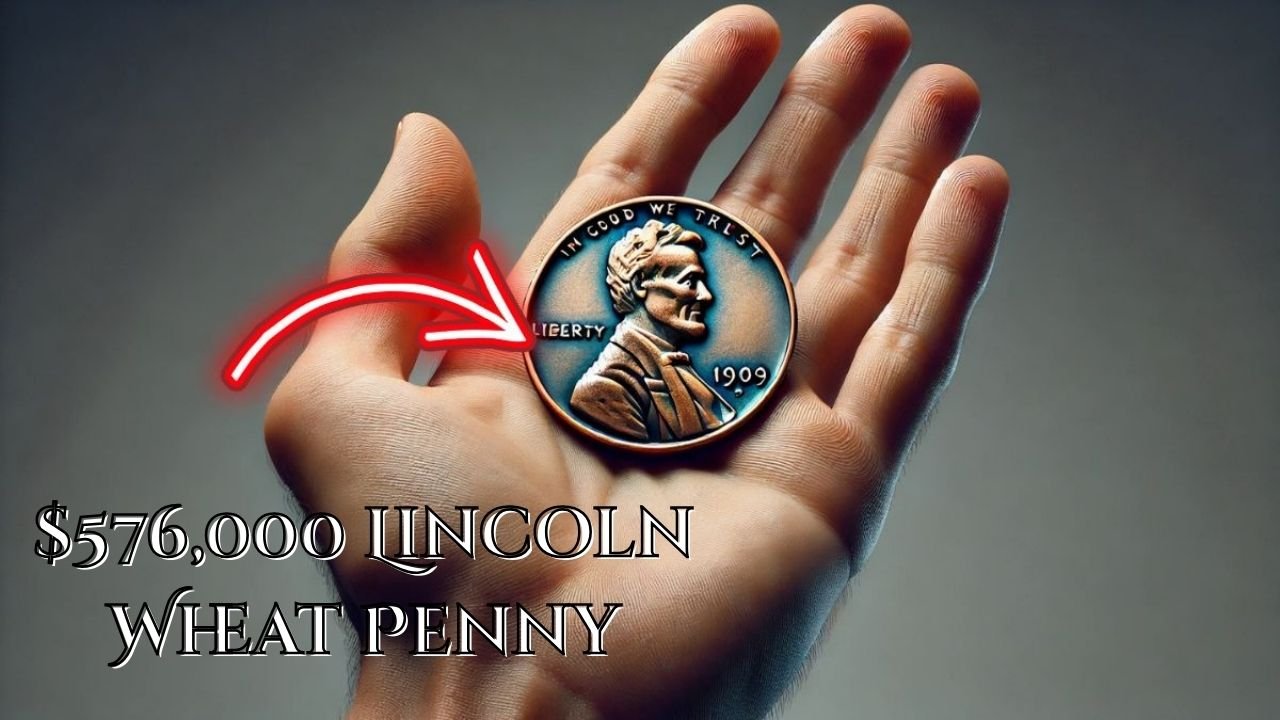
The Lincoln Wheat Penny was first issued in 1909. This coin was introduced to commemorate the birth anniversary of Abraham Lincoln, the 16th President of the United States. It features Lincoln’s profile picture on one side and two ears of wheat on the other, which is why it’s called the “Wheat Penny.”
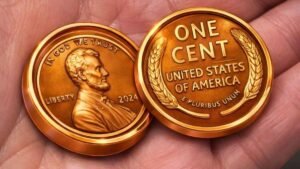
This design was used from 1909 to 1958. After 1959, the design was changed. Therefore, any Lincoln penny from 1958 or earlier, in good condition, may be attractive to collectors.
To identify, you should carefully consider the coin’s date (year), mint mark (such as D or S), and condition (condition/grade).
The Expected Value of a Lincoln Wheat Penny in 2026
The prices of old and rare Lincoln Wheat pennies in 2026 will depend on their demand and condition. In general, most pennies from 1909–1958 can sell for between 10 and 50 cents. But if the coin is uncirculated or in a high grade, its value can reach several dollars.
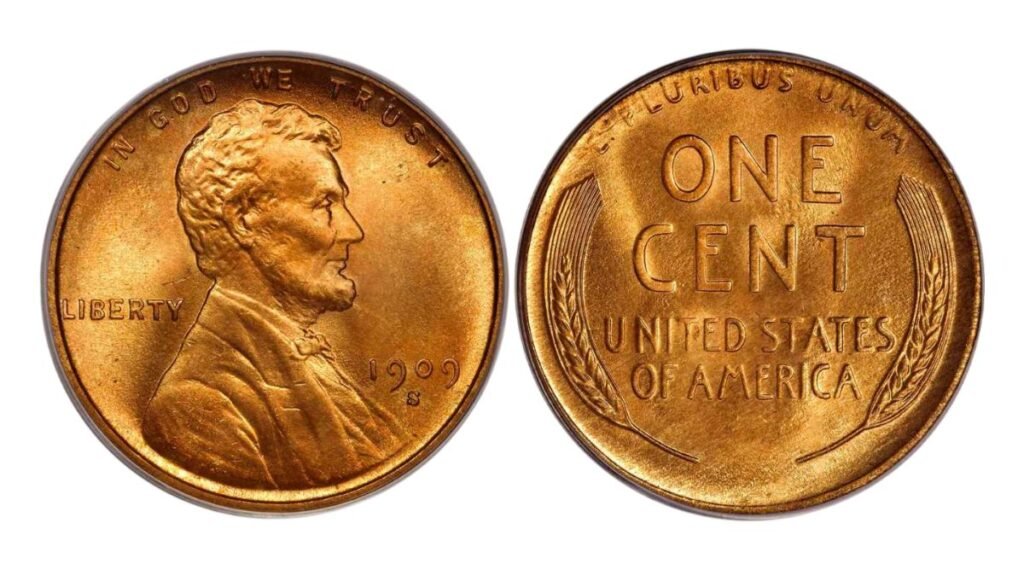
Coins with certain years and mint marks, such as the 1909-S VDB or the 1914-D, can sell for thousands of dollars. The 1943 steel penny and the 1944 copper penny are considered extremely rare in the collector market and can be worth millions.
Rare Lincoln Wheat Penny List
Some of the years and variants that collectors seek most are
- 1909-S VDB: Extremely rare due to limited minting
- 1914-D: Low production and high demand
- 1922 No D: Notable due to the lack of a mint mark
- 1931-S: Low mintage
- 1943 Copper Penny: Error struck in copper, extremely rare
- 1944 Steel Penny: Rare variant struck in steel
The value of many of these coins depends on their grading. If the coin looks almost new, its value can increase several times.
Lincoln Wheat Penny Error Coins List
Coins with minting errors are often the most exciting for collectors. Some common and well-known errors are:
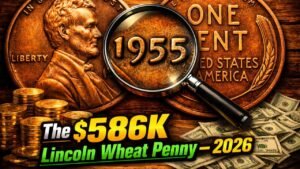
- Double Die Obverse (DDO): Double image in letters or a date
- Off-Center Strike: Part of the design is printed off-center.
- Brockage Error: The reverse side of the coin is printed on the other side.
- Clipped Planchet: The edge of the coin is cut.
- Die Crack: A crack-like line on the surface
These error coins can fetch several times more than a normal penny. Collectors are willing to pay a premium, especially if the error is clear and obvious.
Lincoln Wheat Penny Price Chart (Estimated 2026)
The following is a general estimated price range (subject to change depending on condition):
| Year / Type | Good Condition | Fine Condition | Uncirculated |
|---|---|---|---|
| 1909-1958 Common | $0.10 – $0.50 | $1 – $5 | $10+ |
| 1909-S VDB | $700+ | $1,000+ | $2,000+ |
| 1914-D | $200+ | $500+ | $1,500+ |
| 1943 Steel | $1 – $5 | $10+ | $50+ |
| 1943 Copper | $100,000+ | $200,000+ | Higher |
Note that the actual price depends on the grading agency and the auction market.
Why is coin grading important?
Grading plays a vital role in determining the true value of any rare coin. Having your coin certified by a professional grading company increases its credibility and market value.
Grading evaluates the coin’s luster, scratches, wear, and overall condition. Coins graded “Mint State” or “MS” are considered the most valuable.
How to determine if your penny is valuable?
First, look at the coin’s date and mint mark. Then, carefully examine it in good light to ensure there are no double prints or errors. If you think your coin may be rare, consult a professional dealer or grading service.
You can also estimate the potential value of your coin by looking at information available online and auction website prices.
Conclusion
The Lincoln Wheat Penny is not just an old coin but a symbol of history and collectible value. Even in 2026, it remains in demand, especially for rare variants and error coins. If you have a penny from 1909 to 1958, examine it carefully—it might turn out to be a small treasure.
With the right information, care, and professional grading, you can determine the true value of your coin. Patience and research are the keys to success in the coin world.
FAQs
Q1. What is the value of a Lincoln Wheat Penny in 2026?
A. The value ranges from a few cents to thousands of dollars, depending on the year, mint mark, condition, and rarity.
Q2. Which Lincoln Wheat Pennies are considered rare?
A. Rare examples include the 1909-S VDB, 1914-D, 1922 No D, and the famous 1943 Copper Penny.
Q3. How can I tell if my Wheat Penny has a valuable error?
A. Look for clear doubling, off-center strikes, missing mint marks, or unusual metal types, and consider professional grading for confirmation.