
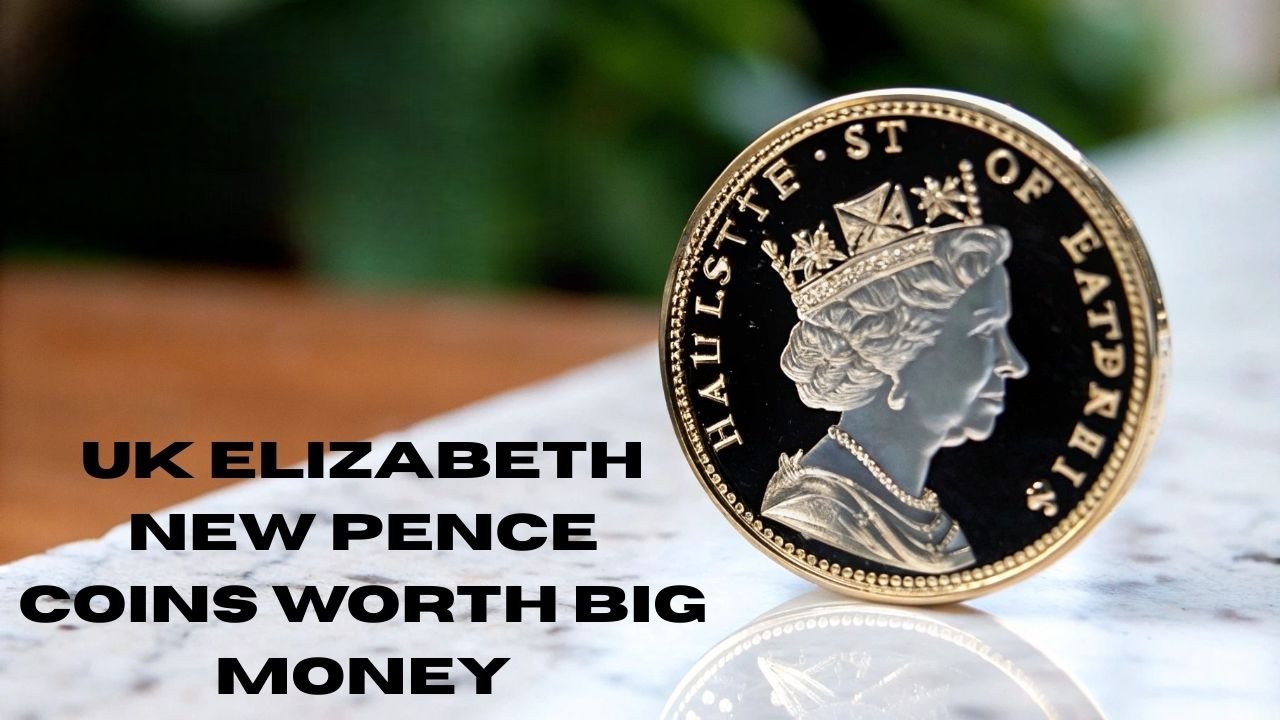
Coin collecting is a timeless hobby that often turns ordinary pocket change into extraordinary finds. While most coins circulate at face value, certain British coins from the decimalisation era—especially those bearing Queen Elizabeth II and the inscription “New Pence”—have become ultra-rare treasures. Introduced in 1971 when the United Kingdom shifted to decimal currency, New Pence coins were only produced in the early years of decimalisation and many collectible varieties are now worth substantially more than their original denominations.
Here are the top 5 ultra-rare UK Elizabeth New Pence coins that can be worth big money to collectors.
A Design That Refused to Retire
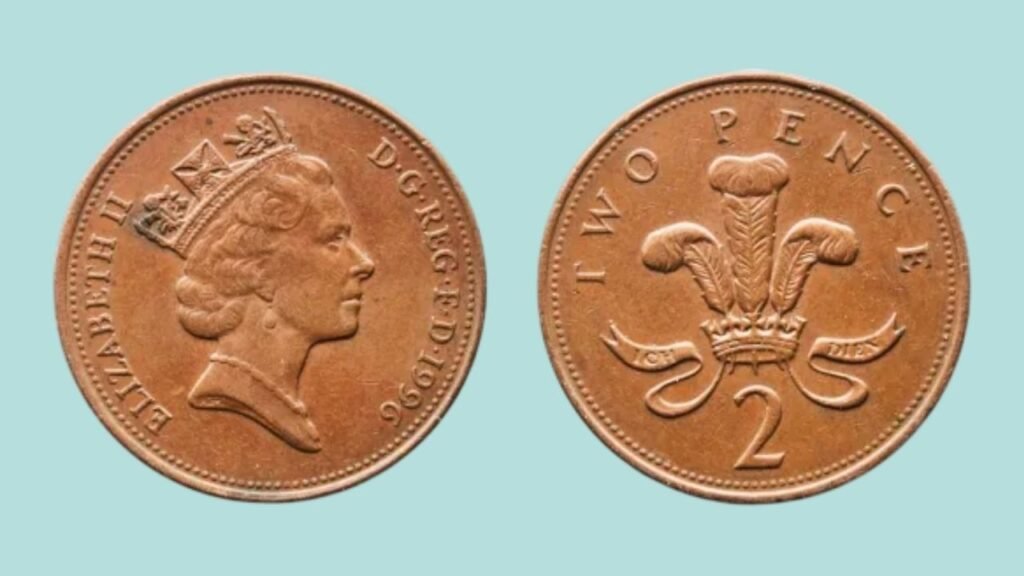
The 1983 two pence presents one of British minting’s most intriguing puzzles. By this year, the Royal Mint had officially retired the “New Pence” inscription for two full years, replacing it with “Two Pence” across all production. Yet a small number of coins emerged bearing the obsolete wording. Numismatists continue debating whether this resulted from a leftover die pressed into service during high-demand periods or a more complex production error. What remains undisputed is that these coins represent a bridge between eras, carrying forward an inscription that had officially concluded. Their value stems not merely from scarcity but from their embodiment of continuity within change—a die stamping coins long after its intended retirement date.
Celebrating Silver While Marking Change
The Silver Jubilee of 1977 prompted commemorative coinage celebrating Elizabeth II’s twenty-five years on the throne. Among these issues, the silver proof crown carries particular significance for decimal collectors. Though bearing a five-pound denomination, it retained the “New Pence” inscription during a period when this wording was gradually phasing out. These presentation pieces, issued in limited quantities within official proof sets, represent deliberate craftsmanship rather than production error. Their value derives from combination rather than mistake: royal commemoration, precious metal composition, and transitional wording all converged on a single coin. For collectors, they capture a specific moment when Britain simultaneously celebrated its monarch’s longevity and its currency’s relative youth.
5 UK Elizabeth New Pence Coins Worth Big Money
1. 1983 Two Pence “New Pence” Error Coin
The most famous and treasured of all of them, the 1983 Two Pence “New Pence” errors coin become struck after the Royal Mint had officially switched the inscription to “Two Pence” in 1982. However, a handful were mistakenly produced with the antique “New Pence” legend. These error coins are surprisingly rare and pretty prized by creditors. In pristine condition, examples can fetch thousabds of pounds at auction because of their scarcity and ancient importance.
2. 1971 Two Pence Trial Coin
Before the decimal system was fully rolled out, the Royal Mint produced a small number of 1971 Two Pence trial coins as prototypes. These coins were in no way supposed for ordinary stream and only a restrained number exist nowadays. Because of that, they may be taken into consideration extremely-rare. Surviving specimens in awesome situation can command widespread sums, frequently achieving into the high four figures or more.
3. 1971 Ten Pence Large-Size Coin (Proof or Special Mint)
When first introduced in 1971, the ten pence coin was larger than the version familiar today. While regular circulation examples are common, proof strikes and early special mint sets from this original large-size issue are rare and valuable. Collectors actively seek these for their historical importance and distinctive size, with pristine specimens often selling far above face value.
4. 1971 Five Pence Error Strikes
The original 1971 five pence coin was part of the early decimalisation series. Rare error strikes—including off-center or wrong planchet coins—are especially valuable. These mistakes occurred when production was still being refined, creating unique and scarce variations. Depending on the nature of the error and condition, these coins can bring in hundreds to thousands of pounds from serious collectors.
5. 1977 Silver Proof Crown “New Pence”
Issued to commemorate Queen Elizabeth II’s Silver Jubilee, the 1977 silver proof crown (a £5 denomination) is another prized collectible. Although technically no longer a circulating coin, it turned into a part of restricted proof units and carries the New Pence inscription from the decimal era. Today, those evidence crowns are valued each for his or her valuable metallic content and their connection to a primary ancient milestone, with examples in unique presentation packaging commanding sturdy prices among creditors.
Conclusion
Rare UK Elizabeth II New Pence coins demonstrate how everyday currency can become valuable collectibles over time. From minting errors like the 1983 “New Pence” two-pence coin to high-grade early decimal coins, these hidden treasures continue to excite collectors. By learning how to identify key dates, errors, and conditions, anyone can turn spare change into a potentially valuable discovery.