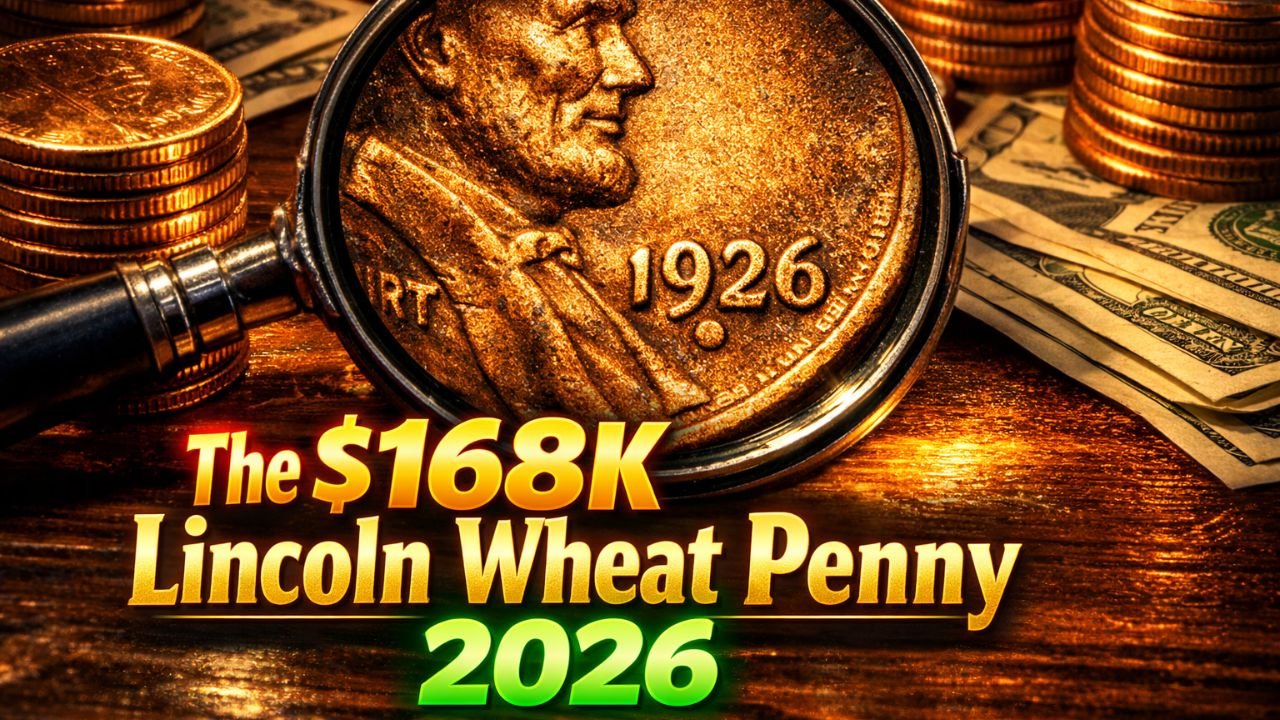

Few coins seize the imagination of numismatists like the Lincoln Wheat Penny. First issued in 1909 to commemorate Abraham Lincoln’s 100th birthday, this humble one-cent piece became an everyday staple of American pocket change for decades. Yet hidden within millions of circulated pennies are definitely rare types well worth first rate sums — inclusive of an instance that bought for $576,000. For collectors, understanding what makes positive Lincoln Wheat Pennies valuable can flip regular coins into prized treasures.
Table of Contents
The 1909-S VDB: The Most Famous Wheat Penny
The crown jewel of Lincoln Wheat Pennies is the 1909-S VDB. Minted on the San Francisco Mint, this coin functions the initials VDB — representing designer Victor David Brenner — at the opposite. Due to early controversy over the prominence of the initials, production was confined, creating a first-rate shortage.
In high grades (particularly MS65 and above), the 1909-S VDB is one of the most coveted U.S. coins. In reality, a beautiful high-grade example bought for $576,000 at public sale, making it one of the most treasured Lincoln pennies ever offered. Quality in reality drives value: even as worn circulated examples might be really worth a few thousand dollars, pinnacle-tier, certified specimens command six-figure prices.
What Makes These Pennies Valuable? Key Factors
Several factors have an effect on the value of rare Lincoln Wheat Pennies:
- Mintage Rarity: Lower production numbers or confined circulate growth scarcity. The 1909-S VDB is rare because few have been released before manufacturing adjustments.
- Condition and Grading: Condition is paramount in coin collecting. Grading offerings like PCGS and NGC examine coins on a scale from 1 to 70. High-grade Lincoln Wheat Pennies — frequently mint state (MS) 65 and up — are rare and therefore tons greater treasured.
- Mint Errors and Varieties: Coins with striking errors, doubled dies, off-center strikes, or repunched mint marks attract strong collector interest. These anomalies are unusual and often command premiums.
Other Valuable Lincoln Wheat Penny Varieties
While the 1909-S VDB steals headlines, other wheat pennies are also highly prized by collectors:
1909 VDB (Philadelphia Mint)
Without the “S” mint mark but still bearing VDB on the reverse, these coins have a lower valuation than the San Francisco version but remain popular among collectors.
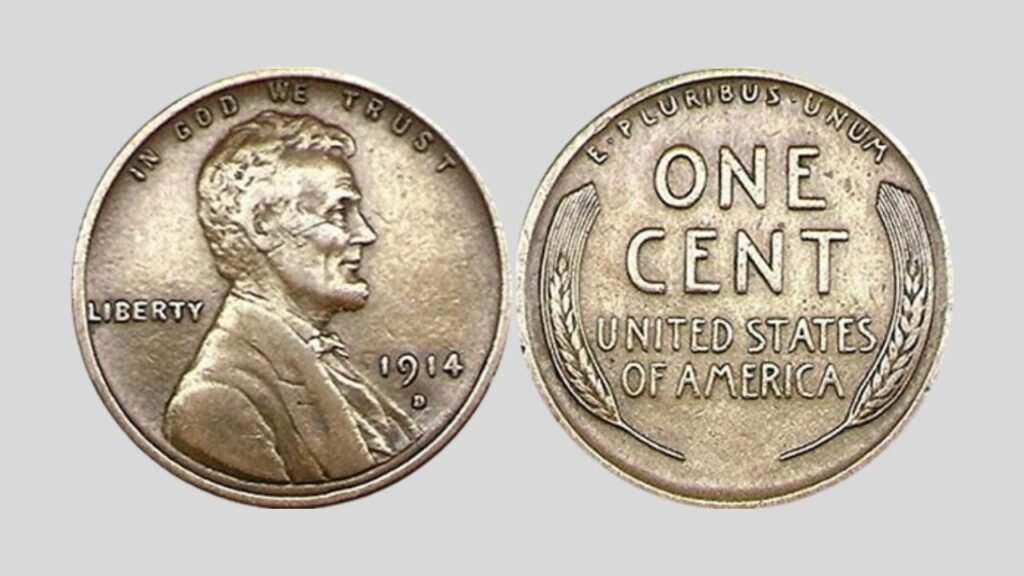
1914-D Wheat Penny
Struck in Denver with a relatively low mintage, the 1914-D is scarce in high grades. Certified mint state examples often sell for thousands of dollars.
1922 No D Wheat Penny
Though struck at the Denver Mint, many 1922 pennies show no visible “D” mint mark due to weak striking. Authentic No-D varieties can be highly valuable, especially in quality grades.
1931-S Wheat Penny
This San Francisco issue has a low mintage and is hard to locate in uncirculated condition, making it acceptable for serious collectors.
Tips for Collectors
If you watched you’ve found a treasured Lincoln Wheat Penny, take into account those guidelines:
- Have it certified: Professional grading protects in opposition to misidentification and increases resale value.
- Check for errors: Some rare varieties are errors coins — look for doubled pictures, missing letters, or misaligned moves.
- Store well: Use coin holders, albums, or defensive capsules to maintain condition.
- Research current markets: Prices vary; consult reputable price guides and auction results.
Conclusion
The Lincoln Wheat Penny remains one of the most beloved and collectible coins in U.S. numismatics. From the iconic 1909-S VDB — with public sale statistics exceeding $576,000 — to lesser-recognized rarities like the 1922 No-D, these humble cents inform wealthy memories of records and scarcity. With understanding, persistence, and careful examination, even ordinary coins can yield tremendous unearths. Whether you’re a pro collector or a curious newbie, Lincoln Wheat Pennies provide enduring appeal and the opportunity of coming across numismatic gold in simple sight.