
The Amazon rainforest has always been a place of mystery, wonder, and scientific discovery, but even seasoned explorers were stunned when a massive 7.5-metre giant anaconda, never documented before, was found during the filming of a wildlife documentary involving Will Smith. This extraordinary discovery has captured global attention, not only because of the sheer size of the snake, but also because it highlights how much of the Amazon still remains unexplored and misunderstood.
For decades, scientists believed they had a fairly complete understanding of anaconda species. The discovery of such an enormous specimen challenges those assumptions and reignites curiosity about what else may still be hidden beneath the dense canopy of the Amazon. The moment was both thrilling and humbling, reminding the world that nature still holds secrets far beyond human expectations.
Table of Contents
A Documentary Shoot That Turned Into a Historic Discovery
What began as a carefully planned documentary shoot quickly transformed into a once-in-a-lifetime scientific event. The production team, following wildlife experts through remote regions of the rainforest, expected to document known species and ecosystems. Instead, they encountered a creature so massive that even experienced guides were left speechless.
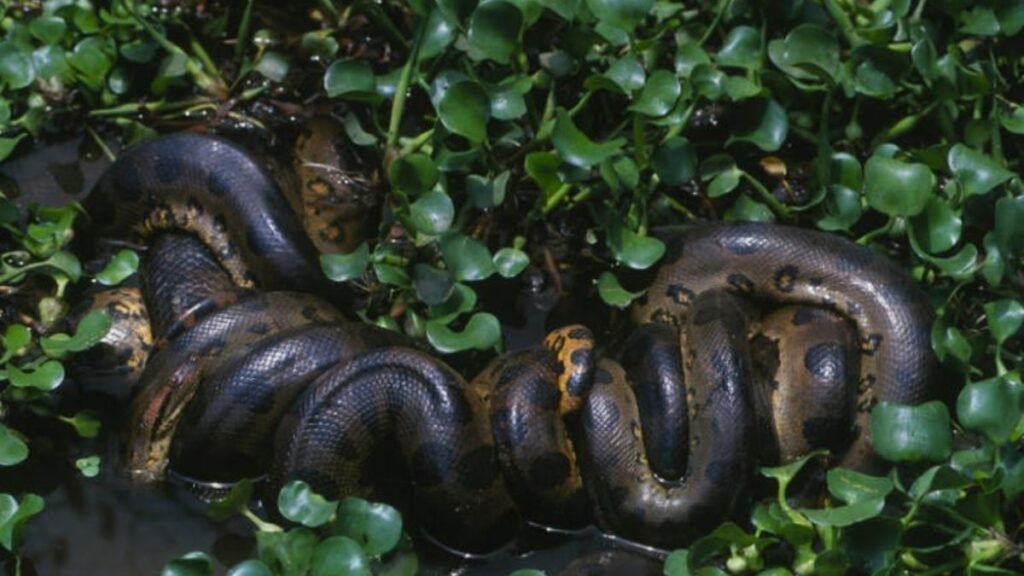
The anaconda appeared in a secluded waterway, partially concealed beneath murky waters and thick vegetation. At first glance, it was clear that this was no ordinary snake. Its size alone exceeded previously recorded measurements, prompting immediate concern for safety as well as excitement over the potential scientific importance of the find.
The Amazon Rainforest and Its Endless Mysteries
The Amazon Rainforest spans millions of square kilometers and is home to unparalleled biodiversity. Despite centuries of exploration, vast areas remain largely untouched. Scientists estimate that thousands of species, particularly reptiles, insects, and microorganisms, have yet to be identified.
This discovery reinforces the idea that the Amazon is not a closed book. The rainforest’s complex network of rivers, swamps, and flooded forests creates ideal conditions for large, elusive predators like anacondas to thrive unnoticed. The fact that such a giant specimen could remain hidden for so long underscores how limited human knowledge still is.
Understanding the Giant Anaconda
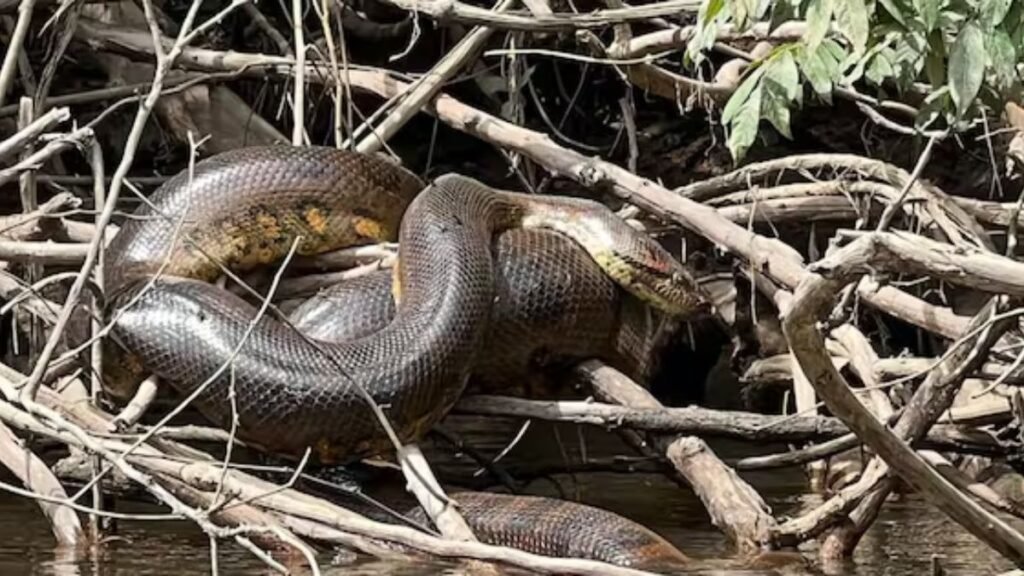
Anacondas are already known as the heaviest snakes in the world, but this newly found individual pushes the boundaries of what scientists thought was biologically possible. Measuring approximately 7.5 metres, it surpasses the average size range typically associated with known anaconda species.
Experts involved in the discovery believe that this snake may represent either an extreme outlier or a previously undocumented variation. Detailed measurements, photographic evidence, and environmental data were carefully collected to ensure accurate analysis. For researchers, this was not just about size, but about understanding how such a creature could survive and grow to such proportions.
The Moment of Discovery on Camera
The discovery unfolded in real time, with cameras rolling as the crew navigated through shallow waters. Tension filled the air when the anaconda’s massive body became visible. The snake’s calm but commanding presence demanded respect, and the team maintained a safe distance while documenting the encounter.
For viewers, the footage promises to be one of the most unforgettable moments in modern wildlife filmmaking. The raw reactions of scientists and filmmakers alike capture genuine awe, fear, and excitement. This authenticity adds emotional depth to the discovery, making it more than just a scientific headline.
Scientific Reactions to the Discovery
Herpetologists and wildlife biologists around the world have responded with fascination and cautious optimism. While giant anacondas have been rumored in local legends and anecdotal reports, hard evidence of a specimen this large has been rare.
Researchers stress the importance of thorough study before drawing conclusions. Genetic testing, habitat analysis, and long-term observation are necessary to determine whether this anaconda represents a new subspecies or an extreme example of an existing one. Either outcome would significantly impact the scientific understanding of snake evolution and adaptation.
Indigenous Knowledge and Local Perspectives
For indigenous communities living in the Amazon, stories of enormous snakes are not new. Many cultures have long spoken of giant serpents inhabiting remote waterways. While these stories were often dismissed as myths, discoveries like this lend credibility to traditional knowledge passed down through generations.
Local guides involved in the documentary expressed a mix of pride and concern. On one hand, the discovery validates their deep connection to the land. On the other, it raises questions about increased human intrusion and the potential disruption of fragile ecosystems.
The Role of Conservation in the Spotlight
The discovery of a never-seen-before giant anaconda brings renewed attention to conservation efforts in the Amazon. Habitat destruction, illegal logging, and climate change pose serious threats to wildlife, including species that have yet to be fully studied.
Scientists emphasize that discoveries like this are a reminder of what could be lost if conservation efforts fail. Protecting these ecosystems ensures not only the survival of known species but also the chance to learn from those still hidden.
Will Smith’s Influence on Global Awareness
The involvement of Will Smith adds a unique dimension to the discovery. As a globally recognized figure, his participation in the documentary amplifies the reach of the story. Millions who might not typically engage with wildlife science are now paying attention.
Smith has often spoken about the importance of understanding and respecting nature. This discovery aligns with his broader efforts to inspire curiosity and awareness about the planet. By bringing such moments to mainstream audiences, the documentary has the potential to spark meaningful conversations about biodiversity and environmental responsibility.
Challenges of Filming in Extreme Environments
Capturing this discovery was no easy task. The Amazon presents countless challenges, from unpredictable weather to difficult terrain and potential wildlife dangers. Filmmakers and scientists must work closely to ensure safety while minimizing environmental impact.
The encounter with the giant anaconda required calm decision-making and respect for the animal’s space. Any sudden movement could have escalated the situation. The successful documentation reflects the professionalism and preparation of the team involved.
What This Means for Future Research
This discovery opens new doors for scientific exploration. Researchers may now revisit regions previously thought to be well-documented, armed with the knowledge that extraordinary finds are still possible.
The presence of such a large predator also raises questions about the ecosystem’s health. A creature of this size requires abundant resources, suggesting a complex and thriving food web. Studying this anaconda could provide valuable insights into ecological balance and resilience.
Public Fascination and Media Response
News of the giant anaconda spread rapidly across social media and news outlets. Images and clips sparked debates, awe, and even fear among the public. Some questioned whether such creatures pose a threat to humans, while others focused on the wonder of nature’s scale.
Experts are quick to clarify that anacondas typically avoid humans and that encounters are rare. The fascination surrounding the discovery highlights humanity’s enduring interest in the unknown and the powerful allure of nature’s extremes.
Ethical Considerations in Wildlife Documentation
With increased attention comes responsibility. Scientists and filmmakers alike stress the importance of ethical documentation. The goal is to observe and learn, not to interfere or exploit.
The team involved in this discovery adhered to strict guidelines, ensuring the anaconda was not harmed or disturbed. This approach sets an example for future projects, balancing curiosity with respect for wildlife.
A Reminder of Nature’s Power and Mystery
The discovery of a 7.5-metre giant anaconda during a documentary shoot serves as a powerful reminder that the natural world still holds mysteries beyond human imagination. Even in an age of advanced technology and satellite mapping, nature continues to surprise.
For many, this moment rekindles a sense of wonder often lost in modern life. It challenges assumptions and invites humility, reminding us that humans are only visitors in ecosystems far older and more complex than ourselves.
Final Thoughts on the Giant Anaconda Discovery
This extraordinary find is more than just a headline; it is a symbol of discovery, curiosity, and the enduring mystery of the Amazon. The combination of scientific significance, cinematic documentation, and global attention makes it a landmark moment in wildlife exploration.
As the documentary reaches audiences worldwide, it carries an important message. There is still so much to learn, protect, and respect. The giant anaconda, hidden for generations and revealed by chance, stands as a living testament to the Amazon’s untold stories and the endless possibilities that await those willing to explore with care and curiosity.
FAQs
Q1. Where was the 7.5-metre giant anaconda discovered?
Ans: The rare giant anaconda was discovered deep inside the Amazon rainforest during a remote filming expedition.
Q2. Who was involved in the documentary shoot when the anaconda was found?
Ans: The discovery happened during a documentary shoot featuring Will Smith and his production team.
Q3. Why is this anaconda discovery considered unique?
Ans: The snake’s extraordinary length and previously undocumented characteristics make it one of the largest and rarest anacondas ever recorded.