
In a world that often feels overstimulating, creating a sensory-friendly Calm Down Corner at home can provide the perfect retreat. Whether it’s for a child who struggles with sensory overload or an adult needing a space to unwind, having a designated area to relax and reset is invaluable. By designing a sensory-friendly environment, you can foster a peaceful space that helps individuals regulate their emotions and sensory responses. This blog post will walk you through how to create a sensory-friendly corner that can become a sanctuary of calm within your home. A sensory-friendly Calm Down Corner is not just a place to sit quietly it’s a carefully designed space that promotes relaxation and emotional regulation. These corners are ideal for people who experience sensory processing challenges, such as children with autism, anxiety, ADHD, or sensory sensitivities. They can also be beneficial for adults looking for a break from overstimulation. With the right setup, a Calm Down Corner helps anyone recharge and return to their tasks feeling more centered and calmer.
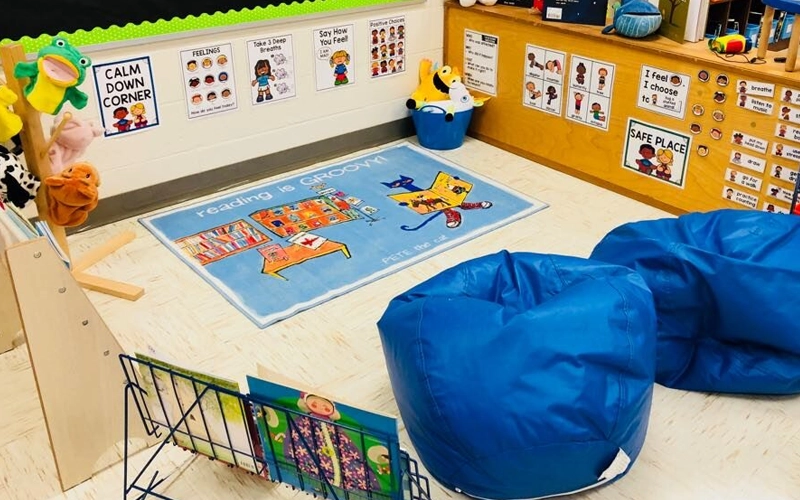
A sensory-friendly Calm Down Corner is an area where people can retreat when they feel overwhelmed, overstimulated, or anxious. Whether for children or adults, this space is specifically designed to provide relief from sensory overload and offer a soothing environment to help regulate emotions. For children, it can become a powerful tool to teach self-regulation and emotional coping skills. For adults, it offers a peaceful place to unwind, destress, and take a moment of mental clarity. The beauty of a Calm Down Corner lies in its simplicity it’s a space where individuals can step away from stressors and engage in calming activities that bring their nervous system back to equilibrium. The key to creating an effective sensory-friendly environment is to consider the sensory needs of the person using the space, as well as the types of activities and tools that will provide comfort. A thoughtful and functional setup can transform a small area into a safe retreat, where one can process their emotions and return to their tasks feeling calm and focused.
Table of Contents
Calm Down Corner
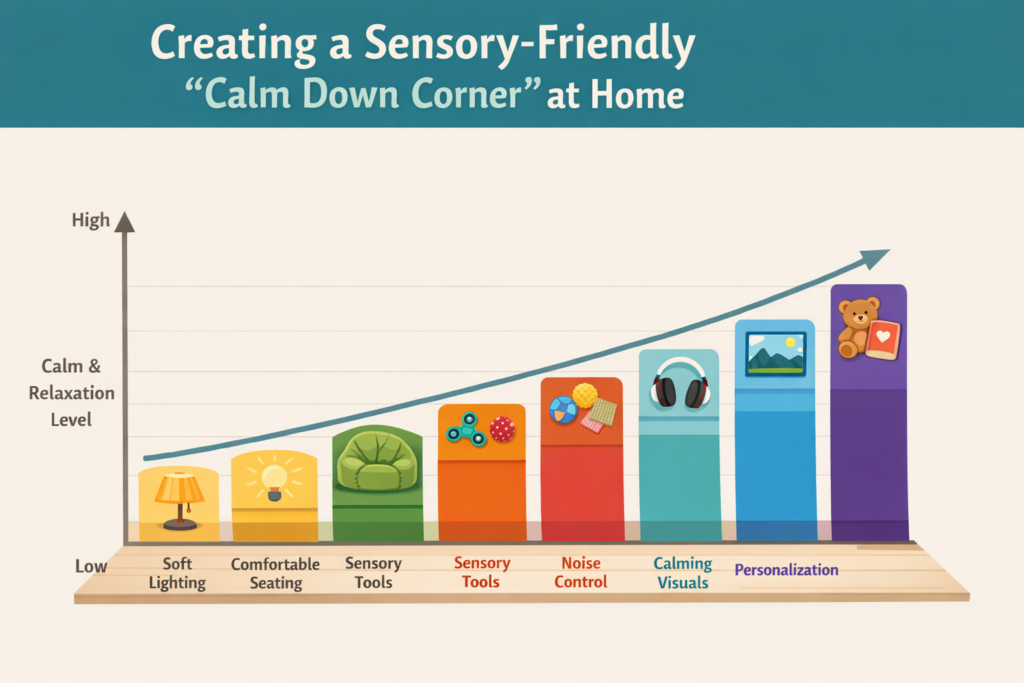
| Element | Purpose |
|---|---|
| Soft Lighting | To create a calming atmosphere and avoid harsh, bright lights. |
| Comfortable Seating | To provide a cozy space where individuals can relax and calm down. |
| Sensory Tools | Items like stress balls, fidget toys, or textured fabrics to engage the senses and promote relaxation. |
| Noise Control | Soundproofing or noise-canceling headphones to minimize auditory overstimulation. |
| Visual Calmness | Soft, muted colors and minimal decoration to avoid overstimulation. |
| Personalization | The inclusion of favorite items or comforting objects to enhance the sense of safety and comfort. |
Creating a sensory-friendly Calm Down Corner at home is a simple yet powerful way to promote emotional well-being, reduce stress, and support sensory regulation. By focusing on comfort, sensory tools, and a calming environment, you can create a space that helps individuals manage their emotions and sensory input. Whether for children or adults, a Calm Down Corner offers a valuable retreat for anyone seeking relaxation and emotional balance. With just a few thoughtful touches, you can transform a corner of your home into a peaceful sanctuary that provides comfort when it’s needed most.
Why a Calm Down Corner is Beneficial
- A Calm Down Corner can be a gamechanger in terms of emotional regulation and stress management. For children, it provides a space where they can calm themselves when overwhelmed, learn to regulate their emotions, and develop coping mechanisms. For adults, it can serve as a moment of retreat from daily stressors. The space helps foster mindfulness and relaxation, essential for managing both physical and emotional well-being.
- Moreover, a Calm Down Corner can teach individuals how to self-soothe. Many children and adults may not instinctively know how to manage their emotions or regulate sensory input in stressful environments. By having a designated place to retreat to, they can learn the necessary skills to return to a calm state, making it easier to handle challenging situations.
How to Set Up a Sensory-Friendly Calm Down Corner
Creating a sensory-friendly Calm Down Corner doesn’t require a lot of space or money. What matters most is designing the area to meet the sensory needs of the individual. Here are the steps to create a Calm Down Corner that is both functional and comforting.
1. Choose the Right Location
The first step in setting up your Calm Down Corner is choosing the right location. Ideally, the space should be secluded from other activities in the home. A quiet corner in the living room, a nook in a hallway, or a section of a bedroom can work perfectly. The important thing is to ensure that the area feels separate from the rest of the house, offering a space of privacy and retreat when needed.
2. Soft and Comfortable Seating
A key feature of any Calm Down Corner is comfortable seating. It’s essential to choose seating that is inviting and cozy, allowing individuals to relax and settle in. Consider soft seating options like bean bags, large pillows, or a small cozy chair. You can also add a blanket or throw pillows to create an even more inviting atmosphere. For added comfort, you might even include a small cushion or weighted blanket for extra sensory input.
3. Lighting Matters
Lighting plays a crucial role in setting the right mood for a sensory-friendly space. Avoid harsh, bright overhead lights, which can contribute to overstimulation. Instead, use soft, warm lighting to create a calm atmosphere. A table lamp with a dimmer switch, string lights, or LED strips are all great options. Many people find that color-changing lights, which can adjust to soft blue, green, or yellow tones, enhance the calming ambiance of the space.
4. Engage the Senses
Sensory tools are one of the most important elements of a Calm Down Corner. These tools help individuals manage sensory overload by engaging their senses in a soothing way. You can include items like stress balls, fidget toys, textured fabrics, or weighted blankets. These tools provide sensory input that promotes relaxation and mindfulness. It’s also important to rotate sensory tools periodically to keep the space engaging and to cater to the individual’s needs.
5. Noise Control
For individuals who are sensitive to sound, noise control is vital in a Calm Down Corner. You can reduce external noise by adding soft furnishings such as pillows, cushions, and curtains, which absorb sound. Additionally, noise-canceling headphones or a white noise machine can help block out distracting sounds. For others, listening to calming sounds like gentle music, nature sounds, or ambient noise can be soothing and provide further relaxation.
6. Use Calming Visuals
The visuals in a Calm Down Corner should contribute to a relaxing atmosphere. Opt for muted, soft colors like pastels or neutral shades, as bright or bold colors can be overstimulating. Keep decorations simple and minimalistic to avoid visual clutter. Calming images, such as nature scenes, abstract art, or photographs of peaceful settings, can be used to further enhance the calming effect. The goal is to create a serene space that promotes relaxation and emotional balance.
7. Personalize the Space
Personalization is an essential aspect of creating a space that feels comfortable and safe. Adding familiar items like favorite books, plush toys, or comforting objects can make the space feel more inviting. When individuals connect personally with the space, they’re more likely to use it when they need it most. The goal is to make the Calm Down Corner a place that feels special and individualized.
Tips for Maintaining a Sensory-Friendly Calm Down Corner
Maintaining the effectiveness of your Calm Down Corner involves ensuring it stays functional and inviting. Here are a few tips for maintaining your sensory-friendly space:
- Rotate Sensory Tools: Introduce new sensory tools periodically to keep the space fresh and engaging. You can switch out toys or items to keep things interesting.
- Regular Cleaning: Keep the area tidy and organized. A clutter-free environment helps maintain a sense of calm and order in the space.
- Encourage Use: Encourage family members to use the Calm Down Corner regularly, not just when they are feeling overwhelmed. This will help foster emotional regulation and teach proactive coping strategies.
FAQs on Calm Down Corner
What are the benefits of a sensory-friendly Calm Down Corner?
A sensory-friendly corner helps individuals manage sensory overload, reduce stress, and promote emotional regulation. It’s beneficial for both children and adults dealing with anxiety, ADHD, and other emotional challenges.
How can I make a Calm Down Corner more effective for my child?
For children, it’s important to include sensory tools that engage their senses, like textured toys or stress balls, and to ensure the space is cozy and inviting.
What sensory tools should I include in a Calm Down Corner?
You can include tools like fidget toys, stress balls, weighted blankets, soft toys, or sensory boards with different textures. The key is to cater to different sensory needs and rotate items to keep them engaging.
Can adults benefit from a Calm Down Corner?
Yes, adults can also benefit from a sensory-friendly retreat. A Calm Down Corner can help reduce stress, manage anxiety, and offer a peaceful space for relaxation during stressful moments.