
Classroom zoning is a powerful strategy for enhancing student engagement and creating a more effective learning environment. By deploying staff strategically throughout the classroom, educators can ensure that all students receive the attention and support they need. Whether it’s providing one-on-one help to struggling students, encouraging collaboration, or maintaining classroom discipline, zoning helps teachers optimize their classroom dynamics. The key to success in classroom zoning is knowing where and when to deploy staff for maximum impact. In this article, we’ll break down the concept of classroom zoning and explain how to deploy staff for maximum engagement. Understanding how to deploy staff in various classroom zones is essential for maximizing engagement. Classroom zoning is about more than just assigning staff to physical spaces. It’s about ensuring that each area of the classroom has the right level of support to keep students engaged, productive, and on task. When staff are strategically deployed, students are more likely to stay engaged with the lesson, ask questions, collaborate with peers, and manage their behavior.
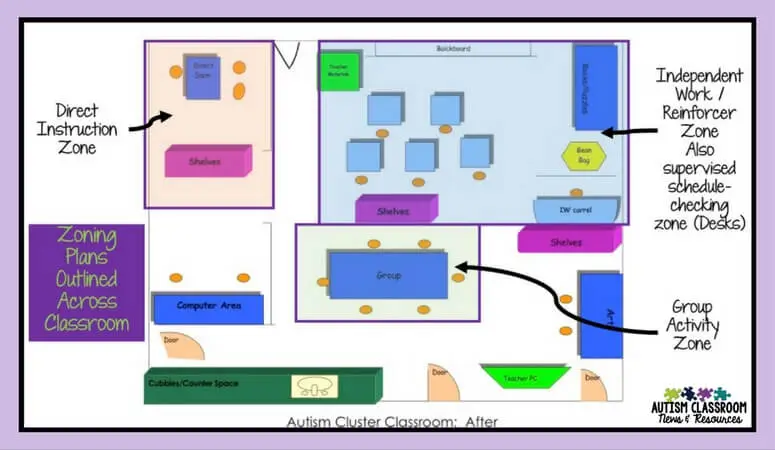
In this guide, we’ll dive into the best practices for deploying staff in various classroom zones, ensuring an optimal learning environment. Classroom zoning is an essential strategy for enhancing classroom management and student participation. The idea is to assign staff to specific areas based on the needs of the students and the tasks being performed. Whether it’s guiding small groups, overseeing independent work, or managing behavior, having staff deployed to key areas ensures that every student receives the necessary support. Strategically deploying staff not only keeps the class organized but also fosters an environment where students can actively engage in their learning. Here are key zones in the classroom and the roles staff play in ensuring students remain engaged and on task.
Table of Contents
Classroom Zoning 101
| Zone | Staff Role | Key Responsibilities | Focus Area |
|---|---|---|---|
| Instruction Zone | Lead Teacher | Lead the lesson, guide student discussions, provide direct instruction | Ensure all students are participating in discussions |
| Support Zone | Teaching Assistant / Co-Teacher | Provide one-on-one or small group support, monitor student progress | Assist students who need additional help or challenge |
| Active Learning Zone | Group Work Facilitator | Oversee group activities, provide feedback, manage classroom dynamics | Encourage collaboration and problem-solving |
| Independent Zone | Classroom Aide / Assistant | Monitor students working independently, provide on-demand support | Ensure all students stay on task and meet deadlines |
| Behavior Zone | Behavior Specialist | Manage student behavior, provide redirection or reinforcement when needed | Maintain classroom behavior expectations |
Classroom zoning is a powerful tool for enhancing student engagement and creating a more organized and effective learning environment. By strategically deploying staff across key zones, teachers can ensure that students receive the support they need, stay on task, and remain engaged in their learning. The key to successful classroom zoning is adaptability, clear communication, and collaborative planning. With the right zoning strategy, educators can create a dynamic classroom where every student has the opportunity to succeed.
Types of Classroom Zones and How to Utilize Them
In any classroom, zoning is essential for creating a structured and engaging environment. The following are the key types of zones that should be established for effective staff deployment:
1. Instruction Zone
The instruction zone is where the teacher leads the main lesson, providing direct instruction to the whole class. It is the central space where the teacher conveys the subject matter, engages students in group discussions, and ensures that everyone is following along. Effective deployment of staff here is crucial for maintaining student focus and participation. The lead teacher must be active, asking questions, checking for understanding, and ensuring that students are engaged in the lesson.
2. Support Zone
In this zone, teaching assistants or co-teachers play a pivotal role in supporting students who need extra help. Whether students are struggling with the material, need clarification, or require more individualized instruction, staff in this zone are ready to step in. Teachers in this zone should focus on helping students grasp concepts, providing additional resources, and offering individualized feedback to ensure each student is on track. This is particularly beneficial in classrooms with a diverse range of learning needs.
3. Active Learning Zone
The active learning zone is where students work in small groups, collaborating on projects or activities that require critical thinking and problem-solving. This zone encourages hands-on learning, group interaction, and peer-to-peer support. Staff in this zone should facilitate discussions, offer guidance, and provide feedback to groups as they work through tasks. This zone promotes engagement through collaboration, allowing students to learn from each other and practice their skills in a more interactive setting.
4. Independent Zone
In the independent zone, students work on assignments, projects, or individual tasks that require focus and concentration. Staff in this zone are responsible for monitoring students’ progress, providing on-the-spot support, and ensuring students remain on task. This is the zone where students develop self-regulation skills, and staff should be ready to intervene if students are struggling or off-track. A quiet and supportive environment in this zone allows for deep work and reflection.
5. Behavior Zone
Classroom management is crucial for maintaining engagement, and the behavior zone plays an important role in ensuring that students are following the rules and expectations. A behavior specialist or teacher monitors student conduct in this zone, providing redirection or reinforcement when necessary. Managing behavior effectively helps students stay engaged in their learning, as they are more likely to participate actively when they understand the expectations and consequences.
Key Strategies for Effective Zoning
Deploying staff in a strategic way to manage classroom zones effectively requires careful planning and ongoing adjustments. Here are some of the best strategies for effective classroom zoning:
1. Strategic Movement
Staff should be proactive in moving around the classroom to monitor different zones. Teachers shouldn’t stay in one area for too long but should circulate throughout the room to observe and interact with students. By moving between zones, teachers can address issues as they arise and keep students engaged by providing timely feedback or support.
2. Clear Expectations
Clear communication is key to maintaining engagement. Teachers should set expectations for students in each zone, making sure everyone understands their roles and responsibilities. Whether students are working independently or in groups, having clear guidelines ensures that all students are on task and productive. Staff should also model and reinforce these expectations throughout the lesson.
3. Adaptability
Classroom zoning is not a static system. Teachers need to be adaptable and responsive to students’ needs. If a group of students is struggling with a concept, staff should be prepared to adjust their approach, offering additional support or reassigning tasks as necessary. Flexibility is crucial to maintaining a productive and engaging classroom environment.
4. Utilize Technology
Technology can be a valuable tool for managing classroom zones. Teachers can use classroom management software to track student progress, monitor behavior, or even provide virtual support. Technology can also help students stay organized and on task, further enhancing engagement in the classroom.
5. Collaborative Planning
Effective classroom zoning doesn’t happen in isolation. Teachers and staff should collaborate regularly to discuss strategies, share observations, and adjust zoning approaches as needed. Collaborative planning ensures that zoning is aligned with the needs of students and helps create a more cohesive and supportive classroom environment.
Benefits of Classroom Zoning for Engagement
- Classroom zoning offers numerous benefits for both students and teachers. By deploying staff effectively across various zones, teachers can ensure that students are engaged, productive, and supported. This approach also allows for more personalized attention, as staff can focus on individual student needs, whether it’s helping with difficult concepts or managing behavior.
- When staff are deployed strategically, students are more likely to stay on task, participate in discussions, and collaborate with their peers. As a result, engagement levels rise, leading to improved academic outcomes and a more positive classroom atmosphere. Zoning also helps teachers maintain greater control over the classroom, reducing disruptions and promoting a more structured learning environment.
FAQs on Classroom Zoning 101
How do I know if my classroom zoning is effective?
Monitor student engagement and behavior. If students are actively participating, staying on task, and receiving the necessary support, your zoning is likely effective.
Can I use classroom zoning for virtual classes?
Yes, classroom zoning can be adapted for virtual environments. Use breakout rooms, assign different tasks to various staff members, and utilize technology to monitor student progress and engagement.
How can I manage disruptive behavior in a classroom with zoning?
Place a behavior specialist or teacher in the behavior zone to monitor and address disruptions. Set clear expectations and reinforce positive behavior consistently to maintain a conducive learning environment.
What tools can help with classroom zoning?
Classroom management software, timers, and visual aids can all support effective classroom zoning. These tools help staff stay organized and ensure students are engaged in their respective zones.