
Becoming a parent changes the way you listen. Suddenly, every tiny sound matters. A soft grunt at 3 a.m., a brief whimper during a nap, or a sudden stiffening while you’re holding your newborn none of these are random. They are communication. Emotional Literacy Tools For Infants: Reading Baby’s Cues helps caregivers understand that babies don’t wait for language to express themselves.
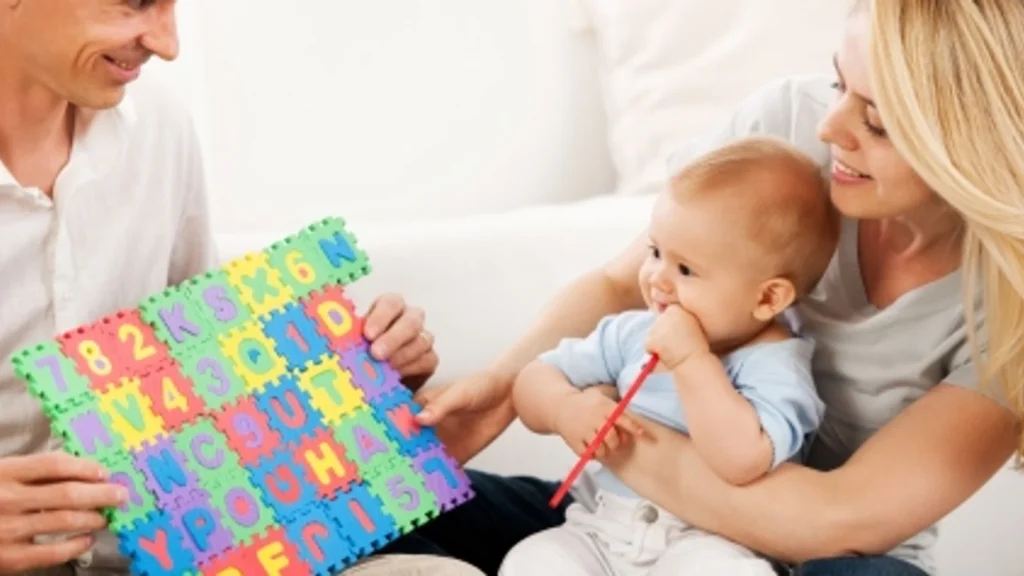
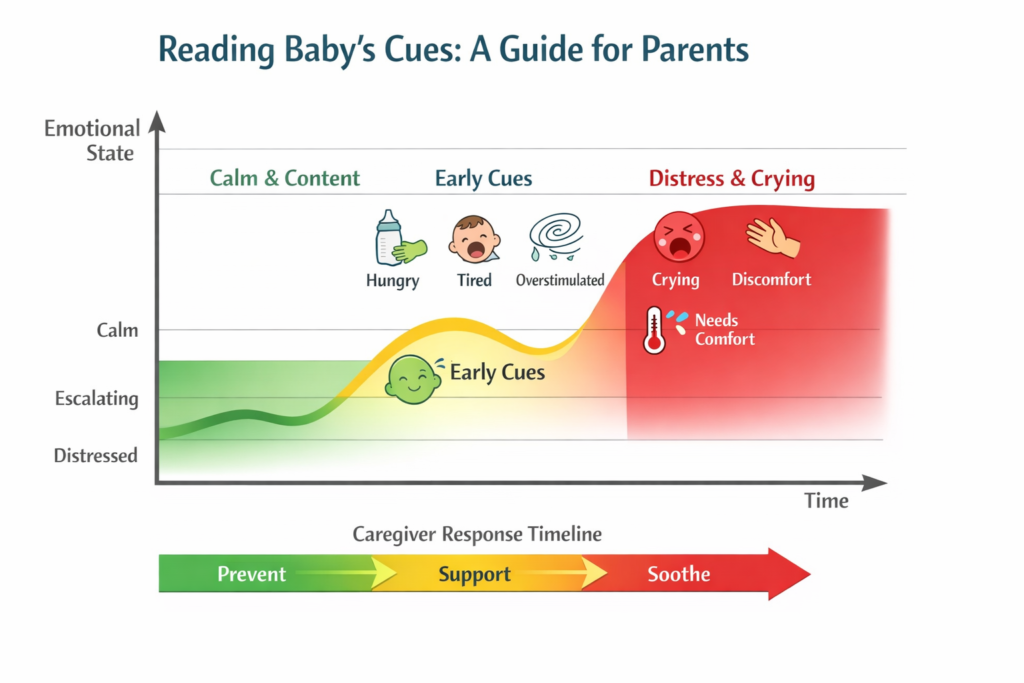
They are communicating from the very first day of life. When parents begin practicing Emotional Literacy Tools For Infants: Reading Baby’s Cues, daily care shifts from guessing to understanding, and parenting becomes calmer and more confident. Many caregivers assume they will only understand their child once words appear, but emotional communication starts months earlier. Babies rely on facial expressions, breathing changes, body tension, and movement patterns to show needs. Once you recognize these signals, crying becomes less frequent because you respond earlier. Instead of reacting to distress, you start preventing it. That is exactly what Emotional Literacy Tools For Infants: Reading Baby’s Cues teaches: how to notice subtle emotional signals before they escalate into overwhelming crying.
Learning Emotional Literacy Tools For Infants: Reading Baby’s Cues means understanding that every baby behavior has meaning. Babies are not unpredictable; they are simply nonverbal. Their nervous system is immature, so they depend on caregivers for regulation. When you consistently notice early cues hunger signs, tired signals, overstimulation indicators — your baby feels safe. This sense of safety supports brain development, attachment, and later emotional regulation skills. Child development research now emphasizes co-regulation, meaning infants borrow calm from caregivers. Practicing Emotional Literacy Tools For Infants: Reading Baby’s Cues helps parents respond before crying intensifies, strengthening trust and reducing daily stress for both baby and adult.
Table of Contents
Emotional Literacy Tools for Infants
| Cue Type | What It May Mean | Typical Signals | Helpful Caregiver Response | Emotional Benefit |
|---|---|---|---|---|
| Hunger | Need for feeding | Rooting, sucking hands, lip smacking | Feed early before crying | Builds trust and security |
| Fatigue | Overtired or sleepy | Yawning, rubbing eyes, staring blankly | Reduce stimulation, dim lights | Prevents stress overload |
| Overstimulation | Too much sensory input | Turning head away, stiff body, fussing | Move to quiet space, hold calmly | Supports nervous system regulation |
| Need For Comfort | Desire for connection | Clinging, whimpering, reaching arms | Skin-to-skin contact, soothing voice | Strengthens attachment |
| Discomfort | Physical irritation | Squirming, sudden crying, grimacing | Check diaper, gas, temperature | Encourages body awareness |
| Engagement | Ready to interact | Eye contact, cooing, smiling | Talk, sing, mirror expressions | Boosts social development |
Why Babies Communicate Through Cues
- A newborn’s brain is still developing the areas responsible for speech and self-control. However, the emotional centers are active immediately after birth. Babies feel discomfort strongly but cannot manage it alone. This is why early cues matter so much. When caregivers miss small signals, the nervous system escalates and crying begins.
- Crying is not the first step. It is the last signal. Once parents begin using Emotional Literacy Tools For Infants: Reading Baby’s Cues, they start recognizing patterns. A baby may always rub their face before sleep or turn their head repeatedly before feeding. Over time, these patterns feel less mysterious and more like conversation.
Early Hunger Signals vs Late Hunger Crying
Parents often think crying equals hunger, but hunger actually begins quietly. Babies usually communicate their needs well before tears appear.
Early hunger signs include:
- Turning the head side to side
- Opening the mouth
- Hand sucking
- Small restless movements
Late hunger signs include:
- Loud crying
- Body stiffness
- Red face
- Trouble latching
When feeding happens early, babies stay calm and organized. When feeding starts late, they may struggle because distress interferes with coordination. One of the most practical benefits of Emotional Literacy Tools For Infants: Reading Baby’s Cues is preventing this cycle. Parents begin feeding before frustration builds.
Understanding Overstimulation
Many parents assume a baby who won’t sleep needs more rocking or more entertainment. Often, the opposite is true. Babies can easily become overwhelmed by noise, lights, visitors, and constant handling.
Common overstimulation cues:
- Looking away repeatedly
- Sudden stiff body
- Hiccups
- Jerky arm movements
- Crying right after play
Instead of adding stimulation, remove it. A dim room, quiet voice, and slow movements allow the nervous system to settle. When babies calm down this way, caregivers realize the child was not fighting sleep — they were asking for relief.
Facial Expressions and Body Language
Babies are excellent communicators if you know where to look. Their bodies speak constantly.
A relaxed baby usually shows:
- Soft hands
- Gentle eye contact
- Calm breathing
- Smooth movements
A stressed baby often shows:
- Clenched fists
- Tight eyebrows
- Rapid kicking
- Short sharp cries
Parents practicing Emotional Literacy Tools For Infants: Reading Baby’s Cues begin noticing these changes quickly. Instead of waiting for crying, they respond to early tension.
The Power Of Responsive Caregiving
Responsive caregiving does not mean reacting instantly to every sound. It means responding appropriately. A brief pause to observe can make a big difference.
A helpful pattern is:
- Pause
- Observe
- Interpret
- Respond calmly
Babies do not need perfect parents. They need predictable ones. Consistent responses help infants feel secure because their world becomes understandable.
Practical Emotional Literacy Tools for Parents
Parents often ask what they should actually do in daily life. The answer is surprisingly simple.
- First, pause and observe. Watch your baby for a few seconds before acting. The signal often becomes clear.
- Second, label emotions out loud. Saying “You’re tired” or “That surprised you” may seem unnecessary, but babies learn emotional meaning from hearing these words.
- Third, mirror gently. If your baby smiles, smile back. If they coo, respond softly. This builds emotional connection.
- Fourth, create gentle routines. Feeding and sleep patterns help babies anticipate care, which lowers stress.
- Fifth, regulate yourself. Babies sense tension instantly. A slow breath while holding your child often calms both of you.
- These everyday habits are the heart of Emotional Literacy Tools For Infants: Reading Baby’s Cues.
Soothing Techniques that Support Emotional Development
Soothing is most effective when it involves connection. Babies calm through physical and emotional closeness, not distraction.
Helpful soothing methods:
- Skin-to-skin contact
- Gentle rocking
- Soft humming
- Swaddling for young infants
- Slow walking while holding the baby
These techniques work because they recreate familiar sensations: warmth, rhythm, and safety. The baby’s heart rate and breathing gradually slow, and the body relaxes.
When To Seek Additional Support
Some crying is normal, but certain patterns deserve attention. Parents should consult a pediatric professional if crying lasts for hours daily, feeding remains difficult, or the baby rarely responds to comfort. Limited eye contact after several months or unusual body stiffness may also need evaluation. Seeking help is not failure. It is part of responsive caregiving.
Building Future Emotional Intelligence
- Consistently responding to cues does more than stop crying. It shapes personality. Babies who feel understood learn that emotions are manageable. As toddlers, they recover from frustration faster. As children, they communicate feelings more clearly.
- In simple terms, a soothed baby becomes a calmer child. Emotional regulation does not begin in preschool. It begins in infancy when a caregiver picks up a crying newborn and responds calmly. Each moment teaches the baby something important: feelings are safe and someone will help.
FAQs on Emotional Literacy Tools for Infants
At what age can babies communicate emotions?
From birth. Newborns express comfort, stress, interest, and fatigue through body language and facial expression.
Does responding quickly spoil a baby?
No. Responsive caregiving actually supports independence later because the child develops security and confidence.
Why does my baby cry after visitors hold them?
This is usually overstimulation. Babies need quiet recovery time after social interaction.
Can understanding cues improve sleep?
Yes. Recognizing tired signals early prevents overtiredness, which is one of the main causes of night waking.