
In healthcare, ensuring that patients receive the best possible care is always the top priority. However, the real challenge lies in identifying the most effective ways to improve healthcare practices and outcomes. Evidence-Based Quality Intervention Practices (EQIP) provide a comprehensive framework for improving care quality by using scientific evidence to guide decision-making. By relying on rigorous research and data analysis, EQIP helps healthcare systems implement interventions that lead to better patient outcomes, operational efficiency, and sustainable improvements across the board. EQIP is an evolving model that helps healthcare systems adapt to new evidence while continually refining and enhancing practices. It ensures that every intervention is rooted in the best available data, thus allowing healthcare providers to deliver high-quality care. The goal is to achieve lasting improvements in care processes by combining the latest research with real-world data and practical insights. By focusing on continuous learning and improvement, EQIP creates a framework where interventions are constantly updated to maintain the highest standards of care.
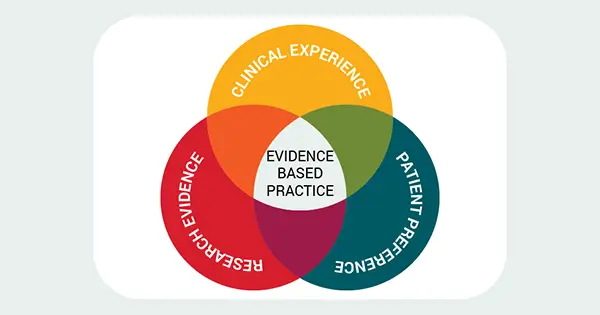
Evidence-Based Quality Intervention Practices (EQIP) is a systematic approach that integrates well-researched, proven strategies into healthcare settings to improve patient care and operational outcomes. The main focus of EQIP is to ensure that healthcare practices are rooted in scientifically validated methods, which helps in achieving tangible results that enhance care quality. By using data and research, EQIP ensures that interventions are both effective and adaptable to various healthcare settings, creating long-term improvements in patient outcomes and healthcare processes. Through EQIP, healthcare providers are empowered to use evidence and research to make informed decisions. The model also emphasizes continuous feedback and collaboration, ensuring that healthcare systems remain responsive to emerging challenges and new evidence. This dynamic process allows for the refinement and optimization of interventions, making EQIP a vital tool in modern healthcare management. The goal is to ensure that practices are both evidence-based and tailored to the unique needs of the patient population.
Table of Contents
Evidence-Based Quality Intervention Practices
| Key Aspect | Description |
|---|---|
| Core Principle | Utilization of empirical evidence from clinical research and real-world data to guide practices |
| Focus Areas | Patient outcomes, operational efficiency, cost reduction, and quality of care improvement |
| Components of EQIP | Data analysis, stakeholder engagement, continuous learning, feedback mechanisms, and adjustments |
| Sustainability | Long-term adoption through feedback loops, adaptability to new evidence, and stakeholder involvement |
| Collaboration | Involvement of healthcare providers, policymakers, and researchers in the development and implementation of interventions |
| Outcome Measurement | Focus on measurable outcomes to assess the effectiveness of interventions |
Evidence-Based Quality Intervention Practices (EQIP) represent a cutting-edge approach to improving healthcare quality. By relying on data, research, and continuous feedback, EQIP provides a framework for developing and implementing interventions that drive tangible improvements in patient care, operational efficiency, and overall healthcare outcomes. Collaboration among healthcare providers, researchers, policymakers, and patients is essential to the success of EQIP, ensuring that interventions are both evidence-based and responsive to the needs of the healthcare system. Ultimately, EQIP creates a dynamic, adaptable, and sustainable healthcare model that leads to lasting improvements in patient care and system efficiency.
The Role of Data and Research in EQIP
- At the heart of Evidence-Based Quality Intervention Practices (EQIP) is the integration of data and research. Without a solid foundation of data, healthcare systems would struggle to make informed decisions about which interventions to implement. By leveraging empirical data, healthcare providers can identify trends, monitor patient outcomes, and determine which practices are most effective in achieving desired results.
- Clinical research plays a key role in EQIP, providing evidence of which practices lead to the best patient outcomes. By reviewing clinical studies, healthcare providers can adopt practices that have been scientifically validated, ensuring that the interventions they implement are based on proven methods. This reliance on research makes EQIP a reliable and effective approach to improving healthcare delivery.
Continuous Monitoring and Feedback for Ongoing Improvement
- One of the standout features of EQIP is its emphasis on continuous monitoring and feedback. This ensures that healthcare systems do not simply implement an intervention and move on but instead continuously assess its effectiveness. Feedback from healthcare providers, patients, and stakeholders is integral to making data-driven decisions about how to refine and optimize interventions over time.
- By consistently tracking outcomes and gathering feedback, healthcare organizations can identify areas for improvement and make necessary adjustments to ensure the interventions are meeting their goals. This continuous feedback loop helps sustain the impact of EQIP by allowing healthcare systems to remain responsive to changes in patient needs and evolving evidence. It ensures that EQIP practices stay relevant and continue to improve patient care in real time.
Collaboration and Stakeholder Engagement
- For EQIP to be truly effective, collaboration among healthcare providers, researchers, and policymakers is essential. Developing and implementing evidence-based interventions requires the input of diverse stakeholders, each bringing unique perspectives to the table. Healthcare providers are critical in ensuring that the interventions are practical and effective in the real-world healthcare setting. Researchers contribute their expertise in clinical studies and evidence-based practices, while policymakers play a vital role in aligning interventions with broader healthcare goals and regulations.
- Patient engagement is also a key aspect of EQIP. Patients’ experiences and feedback provide valuable insights into how interventions are impacting care delivery. Involving patients in the process helps ensure that the interventions are tailored to meet their needs, improving both care satisfaction and outcomes. Collaboration among all stakeholders fosters a more holistic approach to healthcare, leading to better decision-making and enhanced patient care.
Measuring Success and Adjusting Strategies
- Measuring the success of interventions is a cornerstone of EQIP. Without reliable metrics to assess effectiveness, it would be impossible to know whether an intervention is working. EQIP focuses on both quantitative and qualitative measures, from clinical outcomes to patient satisfaction, to gauge how well an intervention is performing.
- Once data is gathered, it is analyzed to determine whether the intervention is achieving its goals. If it is not, the EQIP framework allows for quick adjustments. These adjustments might involve tweaking certain aspects of the intervention or replacing ineffective strategies with more promising ones. This adaptability ensures that EQIP interventions can always evolve in line with new evidence and patient needs, ultimately leading to improved healthcare outcomes.
Sustainability of Evidence-Based Practices
- Sustainability is an essential factor for the long-term success of EQIP. For evidence-based practices to remain effective over time, they must be continually updated and integrated into the healthcare system. Sustainability in EQIP involves embedding interventions into the organizational culture, ensuring that healthcare providers have the tools, resources, and support they need to continue using these practices in the long run.
- It also requires ongoing education and training for healthcare providers to stay current with the latest research and evidence-based practices. Additionally, sustainability is supported by continuous collaboration and stakeholder engagement, ensuring that the interventions remain relevant and effective even as healthcare systems evolve.
FAQs on Evidence-Based Quality Intervention Practices
What is evidence-based practices in healthcare?
Evidence-based practices in healthcare involve using the best available research and data to inform clinical decisions. This ensures that healthcare providers use the most effective methods to improve patient outcomes and care quality.
How do EQIP interventions improve patient outcomes?
EQIP interventions are designed to be data-driven and evidence-based. By continually monitoring and adjusting practices based on real-world results and research findings, EQIP helps ensure that patients receive the best possible care.
Why is collaboration important in EQIP?
Collaboration ensures that interventions are practical, relevant, and aligned with broader healthcare goals. Involving diverse stakeholders, including healthcare providers, researchers, and patients, creates a more comprehensive approach to improving care.
How does EQIP handle changing evidence?
EQIP is designed to be adaptive. It incorporates continuous feedback and monitoring to adjust interventions as new evidence emerges, ensuring that healthcare practices remain up-to-date and effective.