

In a moment that reflects both engineering ambition and international cooperation, France has successfully shipped a massive 500-tonne nuclear component—often described as a “colossus”—to the United Kingdom. This extraordinary piece of equipment is destined for Hinkley Point C, the UK’s first new nuclear power station in more than three decades. The shipment marks a significant milestone in Britain’s transition toward low-carbon, reliable energy, and it highlights the scale of effort required to build a new generation of nuclear infrastructure.
Table of Contents
The Meaning Behind the Term ‘Nuclear Colossus’
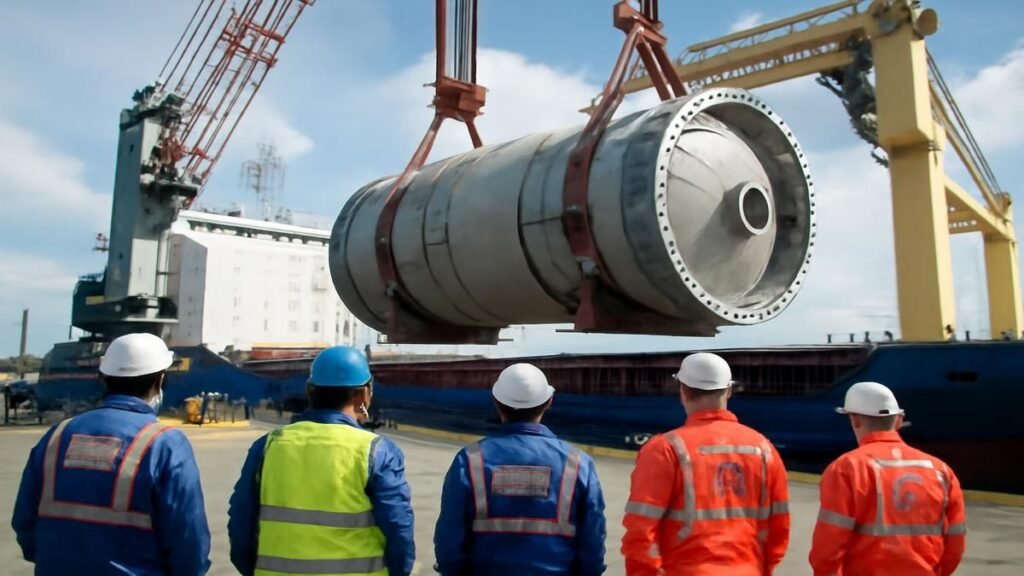
The word “colossus” is not an exaggeration. Weighing around 500 tonnes and stretching several meters in length, the nuclear component represents one of the heaviest and most complex pieces of machinery ever transported for an energy project in Europe. Designed to operate under extreme heat and pressure for decades, it embodies the precision and durability that modern nuclear reactors demand. Its journey from a French manufacturing facility to the UK coastline is a story of careful planning, advanced logistics, and years of engineering expertise.
Why Hinkley Point C Matters to the UK
Hinkley Point C is more than just a construction site; it is a symbol of the UK’s long-term energy strategy. As older nuclear plants are gradually retired and fossil fuel dependence becomes increasingly unsustainable, the country needs a stable source of low-carbon electricity. Once fully operational, Hinkley Point C is expected to generate enough power for around six million homes, contributing significantly to national energy security and climate targets.
This project also represents a commitment to maintaining nuclear expertise within the UK. It creates thousands of jobs, supports local supply chains, and ensures that Britain remains capable of operating complex nuclear infrastructure well into the future.
Generation III Reactors and What Makes Them Different
The reactor at Hinkley Point C belongs to the Generation III class, a category that represents a major leap forward from earlier nuclear technologies. These reactors are designed with enhanced safety systems, improved fuel efficiency, and longer operational lifespans. Passive safety features allow the reactor to shut itself down safely in extreme situations without human intervention, reducing the risk of accidents.
This new generation of reactors also produces less nuclear waste per unit of electricity generated, making them a more sustainable option compared to older designs. For a country seeking both energy reliability and environmental responsibility, Generation III technology offers a balanced solution.
France’s Central Role in the Project
France’s involvement in Hinkley Point C is both strategic and practical. Through EDF, the French energy giant leading the project, decades of nuclear experience are being applied to one of the UK’s most ambitious infrastructure developments. France has long relied on nuclear power for the majority of its electricity, and this expertise is now being shared across borders.
The shipment of the 500-tonne component underscores the trust placed in French manufacturing standards and engineering know-how. It also highlights the depth of cooperation between France and United Kingdom, particularly in areas where long-term planning and technological confidence are essential.
The Journey of the 500-Tonne Component
Transporting a structure of this size is a feat in itself. The component’s journey involved specialized heavy-lift vehicles, reinforced transport vessels, and carefully timed movements to minimize risk. From factory floor to port, from sea crossing to final delivery at the Somerset site, every step was choreographed months in advance.
Engineers and logistics teams monitored weather conditions, structural stress, and transport routes to ensure the component arrived safely and intact. Such operations demonstrate how modern infrastructure projects rely as much on logistical innovation as they do on engineering brilliance.
Safety, Precision, and Long-Term Reliability
At the heart of this shipment lies a focus on safety. Nuclear components must meet some of the most rigorous standards in the industrial world. The 500-tonne colossus was manufactured using advanced forging techniques, subjected to extensive testing, and inspected repeatedly to ensure it can withstand decades of continuous operation.
Precision is equally critical. Even minor imperfections could have serious consequences in a nuclear environment. The successful delivery of this component reflects the confidence engineers have in modern manufacturing processes and quality assurance systems.
Economic and Social Impact of the Project
Beyond energy generation, Hinkley Point C has far-reaching economic implications. The project supports tens of thousands of jobs across construction, engineering, logistics, and maintenance. Local communities benefit from investment in infrastructure, training programs, and long-term employment opportunities.
The presence of such a major project also stimulates innovation within the UK’s industrial base. British suppliers gain experience working on world-class nuclear infrastructure, strengthening their competitiveness in global markets.
Environmental Considerations and Climate Goals
Nuclear energy remains a topic of debate, but its role in reducing carbon emissions is widely recognized. Hinkley Point C is expected to offset millions of tonnes of carbon dioxide emissions over its lifetime by replacing fossil fuel-based electricity generation. For a country aiming to reach net-zero targets, this contribution is significant.
The Generation III reactor design further enhances environmental performance by improving fuel utilization and minimizing waste. While challenges remain around waste storage and decommissioning, advances in nuclear technology continue to address these concerns more effectively than in the past.
Public Perception and the Future of Nuclear Power
Public opinion on nuclear energy has evolved over time. Concerns about safety, cost, and waste are balanced against the urgent need for reliable, low-carbon power. Projects like Hinkley Point C play a crucial role in shaping this perception by demonstrating that modern nuclear plants can be built to the highest safety and environmental standards.
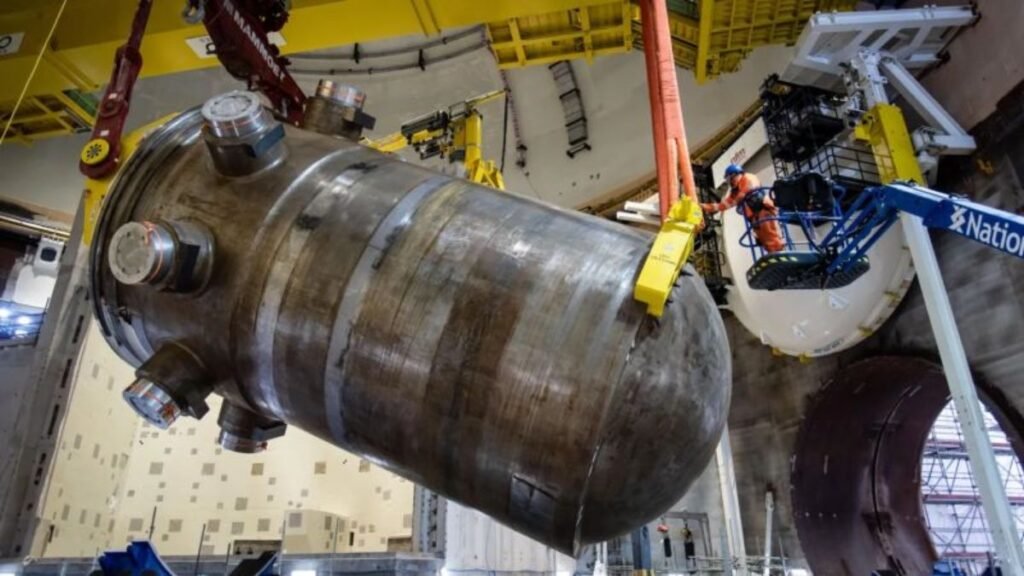
The arrival of the 500-tonne nuclear colossus is a visible reminder of the scale and seriousness of the investment being made. It signals that nuclear power is not a short-term fix but a cornerstone of long-term energy planning.
A Symbol of Engineering Ambition
This shipment is more than a logistical achievement; it is a symbol of what modern engineering can accomplish when nations collaborate. The colossus represents years of planning, design, and skilled labor brought together to serve a common goal. It reflects confidence in technology, commitment to sustainability, and belief in long-term solutions over quick fixes.
Looking Ahead to Power Generation
As construction at Hinkley Point C continues, the focus will gradually shift from building to commissioning and, eventually, power generation. Each major delivery brings the project closer to completion and reinforces the UK’s path toward a more secure energy future.
The 500-tonne nuclear colossus now resting at the site is a silent but powerful reminder of that journey. When the reactor finally comes online, it will stand as a testament to international cooperation, advanced engineering, and the determination to build a cleaner, more resilient energy system for generations to come.
FAQs
Q1. What is the 500-tonne nuclear ‘colossus’ shipped from France?
It is a massive, highly engineered nuclear reactor component designed to operate safely under extreme heat and pressure at Hinkley Point C.
Q2. Why is this shipment important for the UK?
The component is essential for the UK’s new Generation III reactor, helping provide reliable, low-carbon electricity for millions of homes.
Q3. What makes Generation III nuclear reactors different?
Generation III reactors feature advanced safety systems, higher efficiency, and longer lifespans compared to older nuclear reactor designs.