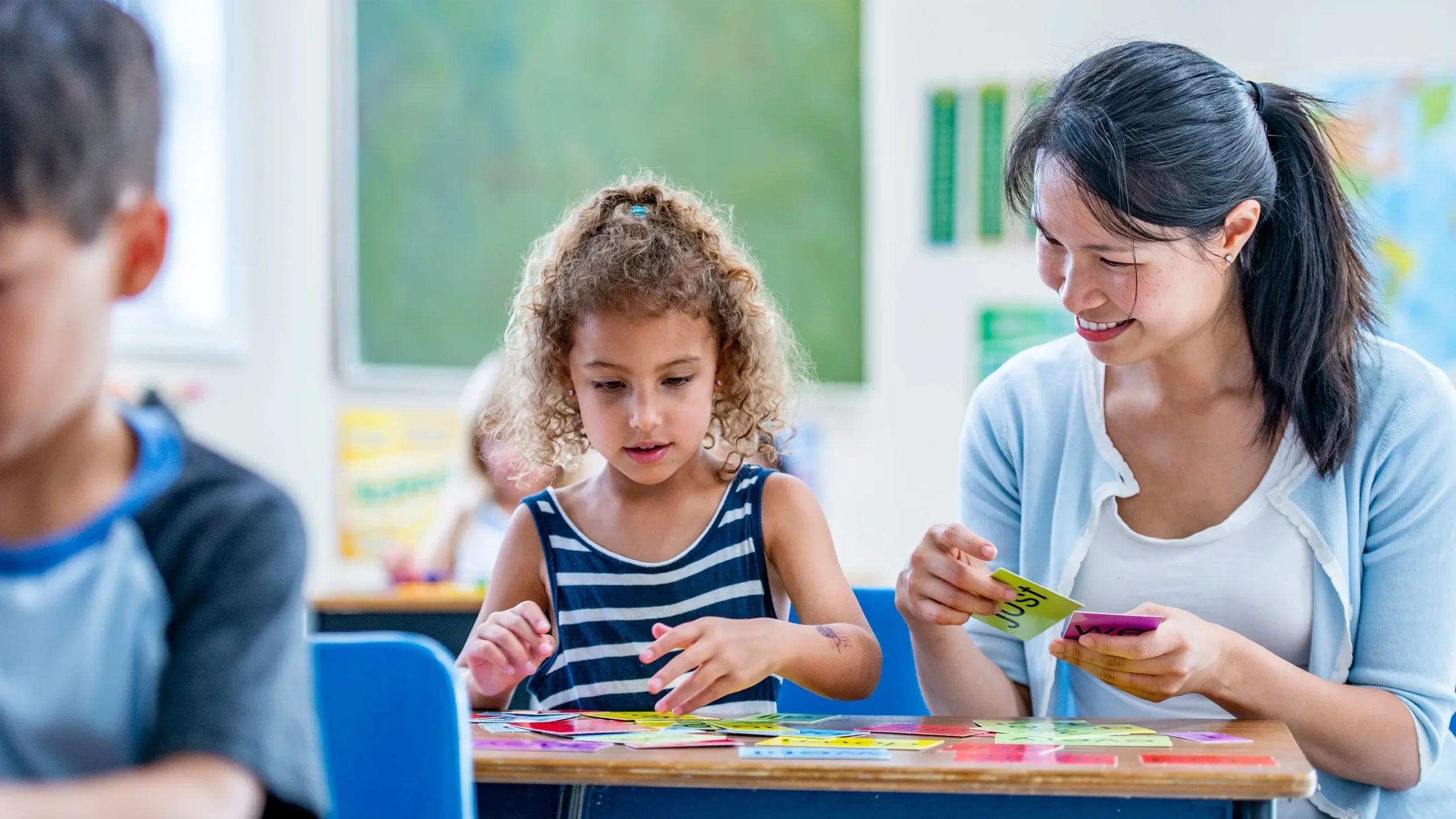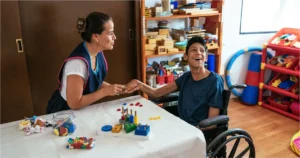

Learning doesn’t always need to happen in a structured classroom. Sometimes, the best learning moments occur during the most casual activities, like snack time or playtime. This is where incidental teaching comes in. By embedding learning goals into these everyday moments, children can engage in meaningful learning while still having fun. Incidental teaching is an effective strategy for promoting growth in young learners without the need for a formal lesson plan. It’s all about making the most of natural opportunities to teach and support development during moments like snack breaks or play activities. When we think of learning goals, we often imagine a classroom with textbooks, worksheets, and a rigid schedule. However, incidental teaching flips this idea on its head. Instead of focusing on pre-planned lessons, incidental teaching takes advantage of spontaneous moments to embed educational goals. Whether it’s encouraging a child to describe their food during snack time or helping them navigate social interactions during play, incidental teaching creates an environment where learning happens organically. This method is especially beneficial for young children, as it promotes a relaxed and enjoyable atmosphere where learning feels like a natural part of their day.
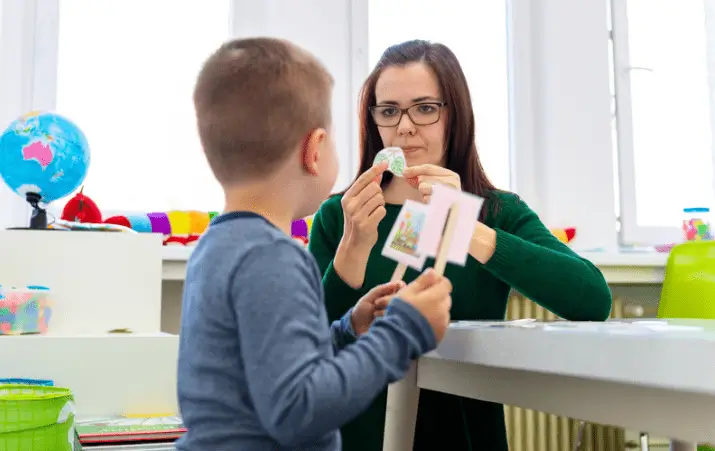
When it comes to teaching, it’s easy to forget that everyday activities are rich with opportunities to support a child’s development. This is where incidental teaching shines. Embedding learning goals into snack time and playtime helps children learn without even realizing it. These moments are not just breaks they are golden opportunities to teach language, social skills, problem-solving, and much more. By subtly guiding children through these activities, you can encourage them to use their skills in real-life situations, fostering both cognitive and social growth. Snack time, for instance, is perfect for building language and communication skills. Encouraging children to describe their snacks, ask questions about what they’re eating, or even count items like crackers or pieces of fruit can help them develop both their vocabulary and numeracy skills. Playtime is similarly rich in opportunities. Whether children are building blocks, pretending to be animals, or working together on a puzzle, there are countless ways to guide them in thinking critically, collaborating, and solving problems.
Table of Contents
Incidental Teaching
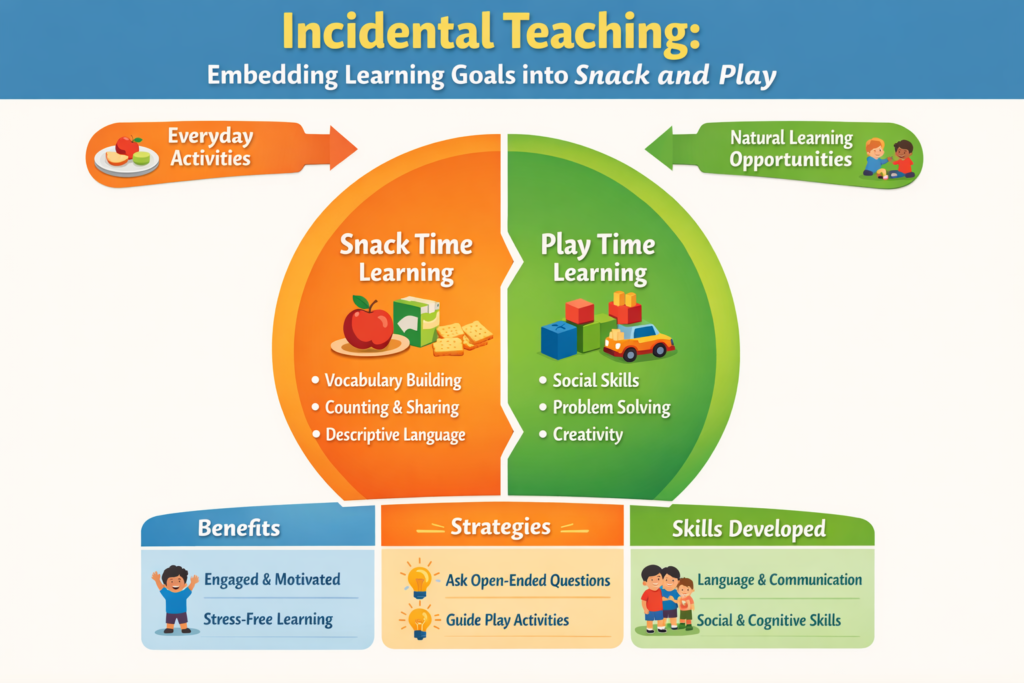
| Key Information | Details |
|---|---|
| What is Incidental Teaching? | A teaching method where learning goals are integrated into everyday activities, promoting natural learning experiences. |
| Snack Time Opportunities | Language development, vocabulary building, and social skills can be enhanced during snack time by encouraging conversation and engagement. |
| Play Time Opportunities | Play provides opportunities for teaching problem-solving, creativity, and social skills, fostering cognitive and social growth. |
| Benefits | Encourages active participation, increases motivation, and helps children learn in a relaxed, stress-free environment. |
| Practical Strategies | Simple activities, such as asking open-ended questions during snack or guiding group play with structured goals, can promote learning. |
The Benefits of Incidental Teaching
- The primary advantage of incidental teaching is that it provides a flexible, low-stress environment for children to learn. Unlike traditional, structured lessons, incidental teaching happens naturally. It can take place during moments when children are already engaged in an activity, so they don’t feel the pressure of a formal lesson. This relaxed setting helps them absorb information more effectively.
- By embedding learning into snack and play time, educators can engage children in activities that feel enjoyable, not educational. This makes the learning process more enjoyable and less overwhelming. Additionally, incidental teaching offers a personalized approach. Since learning happens based on what interests the child, it’s more likely to resonate with them. For example, if a child is fascinated by animals, snack time can be an opportunity to introduce related vocabulary, colors, or even sounds.
Incorporating Language and Communication Skills During Snack Time
- Snack time is an ideal moment for helping children develop their language skills. You might think of snack time as simply an opportunity to refuel, but it can also be a chance to engage children in conversation. Ask them open-ended questions like, “What do you think of the taste of your apple?” or “How does it feel when you bite into it?” These questions encourage children to think and articulate their thoughts, expanding their vocabulary and their ability to describe the world around them.
- Snack time can also be a great place to introduce math concepts. You might ask, “How many grapes are on your plate?” or “Can you share your crackers equally with your friend?” These questions can help develop their understanding of numbers, sharing, and fairness, all while enjoying their snack. By using snack time as a learning opportunity, children not only enjoy their food but also practice important communication skills.
Fostering Social Skills Through Play
- Playtime is a goldmine for developing social skills. When children interact with each other during play, they naturally practice skills like turn-taking, negotiating, and resolving conflicts. As an educator or caregiver, you can subtly guide these interactions to promote learning. For example, during group play, you might say, can you ask your friend if they want to play with the red blocks? or What can we build together with these?” These types of questions help children learn to collaborate, communicate, and take turns.
- Incidental teaching during play also encourages problem-solving. If children are playing with building blocks, for example, they might encounter an issue where the blocks won’t balance. You can ask guiding questions like, “What happens if we try stacking them in a different way?” or “Can you think of another solution to make the tower taller?” These questions foster critical thinking and help children learn how to approach challenges with creativity.
Practical Strategies for Embedding Learning Goals
- Incidental teaching is effective because it doesn’t require elaborate plans or expensive materials. In fact, you can embed learning goals in even the simplest activities. During snack time, for instance, you might help children practice counting by asking them to count the crackers they have or the pieces of fruit they’ve eaten. This can be done naturally without interrupting the flow of the activity.
- Playtime is similarly rich with learning opportunities. If children are engaged in imaginative play, you can encourage them to use their creativity by introducing new ideas, like asking, “What would your character do next?” or “How could we make our game more fun?” By guiding their thinking in subtle ways, you help them engage their imaginations and develop critical cognitive skills.
Encouraging Active Participation
- A key part of incidental teaching is encouraging active participation from both the educator and the child. As a caregiver or teacher, your role is to guide the child through learning moments while being responsive to their actions and interests. This creates a dynamic environment where the child is more likely to be engaged and excited about learning.
- Active participation also means offering praise and positive reinforcement. When children successfully complete a task, whether it’s sharing their snack with a friend or solving a problem during play, be sure to acknowledge their efforts. Positive feedback boosts their confidence and motivates them to continue learning.
Incidental teaching provides a fantastic opportunity for children to learn in a relaxed and enjoyable environment. By embedding learning goals into everyday activities like snack and playtime, children can develop essential cognitive and social skills. Whether it’s expanding vocabulary during snack time or fostering creativity and collaboration during play, incidental teaching ensures that learning is not only effective but also fun. With simple strategies and a thoughtful approach, caregivers and educators can create meaningful learning moments throughout the day, helping children grow and thrive.
FAQs on Incidental Teaching
Is incidental teaching effective for young children?
Yes, incidental teaching is especially effective for young children as it integrates learning naturally into their daily routines, making it engaging and relevant.
How can snack time be used for language development?
Snack time can be used to encourage conversations, introduce new vocabulary, and engage children in activities like counting or describing their food.
What role does playtime have in developing social skills?
Playtime offers children opportunities to practice social skills such as turn-taking, sharing, and problem-solving with their peers.
Can incidental teaching be used with children with special needs?
Absolutely! Incidental teaching is a flexible method that can be adapted to meet the individual learning needs of children, including those with special needs.