
In recent months, the Internal Revenue Service (IRS) has issued an urgent public warning after a sharp rise in scams targeting Americans with false promises of stimulus checks. Even though large-scale federal stimulus programs have largely ended, scammers are exploiting lingering confusion, economic stress, and memories of past relief payments to deceive millions of people. The IRS says these scams are becoming more sophisticated, more convincing, and more dangerous, especially for seniors, low-income households, and people who rely heavily on digital communication.
Table of Contents
Why Stimulus Check Scams Are Surging Again
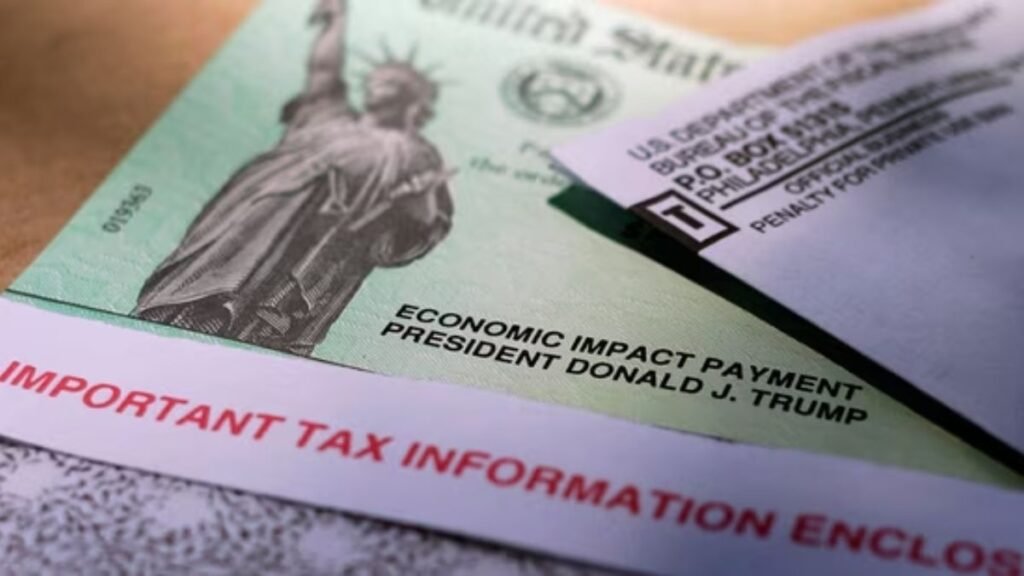
The idea of a stimulus check still carries emotional weight for many Americans. During past economic crises, these payments provided real relief, and scammers know this. According to the IRS, fraudsters are deliberately using official-looking language, fake government logos, and urgent messaging to make people believe that a “new round” of stimulus payments has been approved. In reality, no such nationwide stimulus program currently exists, but the hope of extra money makes these scams extremely effective.
Economic uncertainty, inflation concerns, and rising living costs have created the perfect environment for fraud. When people are worried about money, they are more likely to click on suspicious links or respond quickly to alarming messages. The IRS has emphasized that scammers are not slowing down; instead, they are refining their tactics to appear more legitimate than ever.
How These New Stimulus Check Scams Work
Most stimulus check scams follow a similar pattern, though the delivery methods may vary. Victims often receive emails, text messages, phone calls, or even social media messages claiming to be from the IRS or another government agency. These messages typically state that the recipient is eligible for a new stimulus payment, but action must be taken immediately to claim it.
The scam may ask people to verify personal information such as Social Security numbers, bank account details, or IRS login credentials. In some cases, victims are directed to fake websites that closely resemble official government pages. Once personal data is entered, scammers can steal identities, drain bank accounts, or commit tax fraud in the victim’s name.
Why the IRS Is Especially Concerned This Time
The IRS has raised alarms because these scams are no longer targeting only a narrow group. Instead, they are spreading across all age groups and income levels. The agency reports that criminals are now using advanced phishing techniques, artificial intelligence-generated messages, and spoofed phone numbers to appear more credible.
Another major concern is that scammers are timing their attacks around tax season, when people are already communicating with the IRS or waiting for refunds. This overlap makes it harder for taxpayers to distinguish between legitimate IRS communication and fraudulent contact.
Common Red Flags the IRS Wants You to Know
The IRS stresses that it does not initiate contact with taxpayers via email, text message, or social media about stimulus payments. Any unsolicited message claiming otherwise should immediately raise suspicion. Scammers often use urgent language, such as warnings that benefits will expire or threats of penalties if action is not taken quickly. This sense of urgency is designed to prevent victims from thinking critically.
Another red flag is any request for payment or fees to release a stimulus check. The IRS has made it clear that it never charges fees to issue refunds or government payments. Requests for gift cards, cryptocurrency, wire transfers, or prepaid debit cards are almost always signs of a scam.
Who Is Most at Risk of These Scams
While anyone can fall victim, the IRS notes that seniors are among the most targeted groups. Many older Americans are accustomed to receiving government benefits and may be less familiar with digital fraud tactics. Low-income households are also vulnerable, as the promise of financial assistance can feel urgent and necessary.
Additionally, people who recently experienced identity theft or tax issues may be more susceptible, since scammers often reference prior tax filings or claim that records need to be “updated” to release a payment. This personalized approach makes the scam feel real.
The Real Consequences of Falling for a Stimulus Scam
The damage caused by stimulus check scams goes far beyond the loss of money. Victims often face identity theft, which can take months or even years to resolve. Stolen personal information can be used to file fraudulent tax returns, open credit accounts, or access government benefits illegally.
Emotionally, victims may experience stress, embarrassment, and fear, especially if retirement savings or essential funds are affected. The IRS has emphasized that these crimes can have long-lasting effects on financial stability and mental well-being.
How the IRS Communicates Legitimately With Taxpayers
Understanding how the IRS actually operates is one of the strongest defenses against scams. The IRS typically communicates through official letters sent by mail. These letters include clear explanations, reference numbers, and instructions on how to verify authenticity through official IRS channels.
The agency does not use threatening language, demand immediate payment without appeal options, or request sensitive information through unofficial platforms. Knowing this can help taxpayers pause and question suspicious messages instead of reacting impulsively.
What to Do If You Receive a Suspicious Message
If you receive a message claiming to be from the IRS about a stimulus check, the IRS advises you to not click on any links, not reply, and not share personal information. Instead, you should report the scam to the IRS and delete the message.
Checking the official IRS website or contacting the agency directly through verified phone numbers can help confirm whether any payment programs exist. In most cases, people will quickly discover that the message is fraudulent.
Steps to Take If You’ve Already Been Targeted
For those who may have already responded to a scam, quick action is critical. The IRS recommends monitoring bank accounts, credit reports, and tax records closely. Placing fraud alerts or credit freezes with credit bureaus can help prevent further damage.
Victims should also report the incident to the IRS, the Federal Trade Commission, and local authorities if financial loss has occurred. While recovering stolen funds can be difficult, reporting helps authorities track scam patterns and warn others.
Why Awareness Is the Best Protection
The IRS has repeatedly emphasized that public awareness is the most effective weapon against stimulus check scams. When people understand how scams operate and recognize warning signs, they are far less likely to fall victim. Talking openly with family members, especially elderly relatives, can significantly reduce risk.
Education and communication are especially important as scammers evolve. The tactics used today may look different tomorrow, but the underlying goal remains the same: stealing personal information and money through deception.
The IRS’s Message to Americans
The IRS wants Americans to remember one key message: if it sounds too good to be true, it probably is. Promises of surprise stimulus checks, especially when paired with urgency or requests for personal data, should always be treated with skepticism.
By staying informed, cautious, and proactive, taxpayers can protect themselves and help stop the spread of these scams. The IRS continues to work with law enforcement agencies to combat fraud, but individual vigilance remains essential.
Looking Ahead: Staying Safe in a Digital Age
As digital communication becomes more common, scams will continue to adapt. The IRS’s warning serves as a reminder that government agencies will never pressure citizens through unofficial channels. Understanding this simple fact can prevent significant financial and emotional harm.
Ultimately, protecting yourself from stimulus check scams means staying informed, slowing down when faced with urgent financial messages, and verifying information through trusted sources. In an era of constant online threats, awareness is not just helpful—it is necessary.
FAQs
Q1. Is the IRS currently issuing new stimulus checks?
No, there is no new nationwide stimulus check program, and messages claiming otherwise are scams.
Q2. How does the IRS usually contact taxpayers?
The IRS normally contacts people by official mail, not by text messages, emails, or social media.
Q3. What should I do if I receive a stimulus scam message?
Do not respond or click links—report it to the IRS and delete the message immediately.