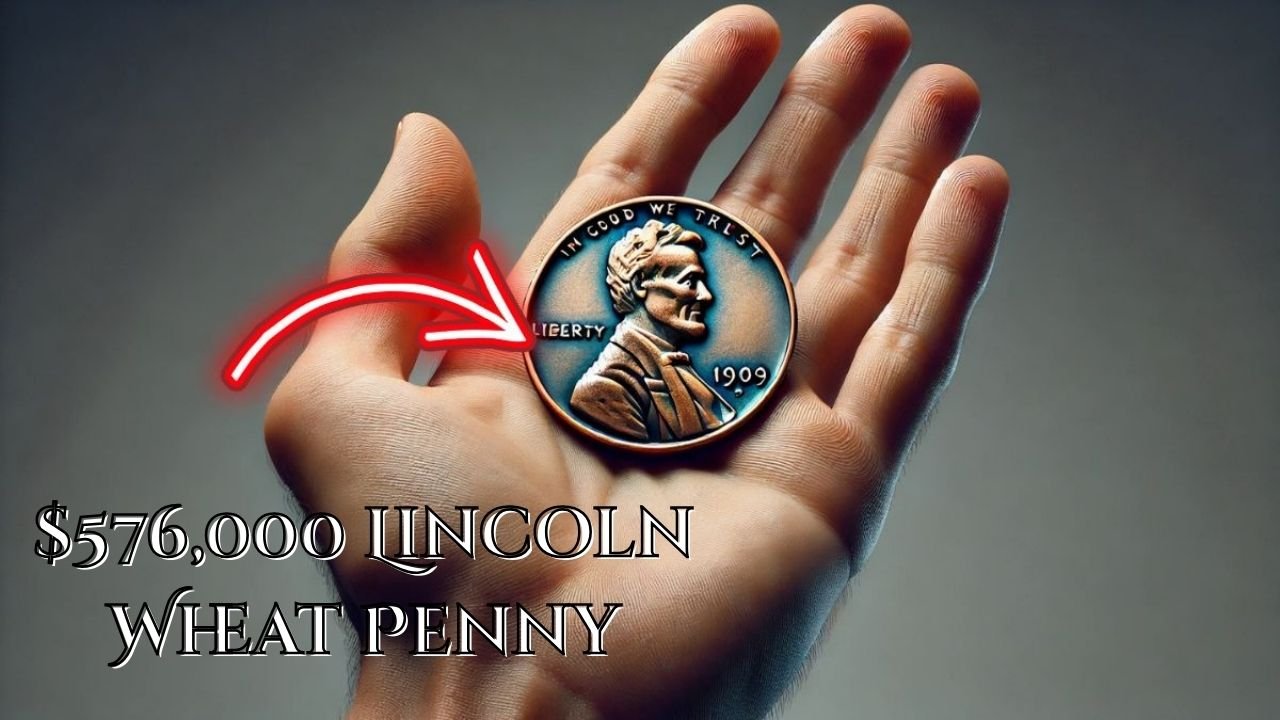

The Lincoln Wheat Penny remains one of the most iconic and collectible coins in American numismatic history. More than a century after its first minting in 1909, this humble one-cent coin still holds extraordinary value for collectors, investors and enthusiasts. In 2026, the market for Wheat Pennies shows renewed momentum, driven by increased interest in early 20th-century U.S. coins, digital auction expansion and rising demand for high-grade rare varieties. This updated 2026 guide explores the history, scarcity, market performance and future trends of the Lincoln Wheat Penny, helping new and experienced collectors understand what makes this coin a timeless treasure.
Table of Contents
The Timeless Appeal of the Lincoln Wheat Penny
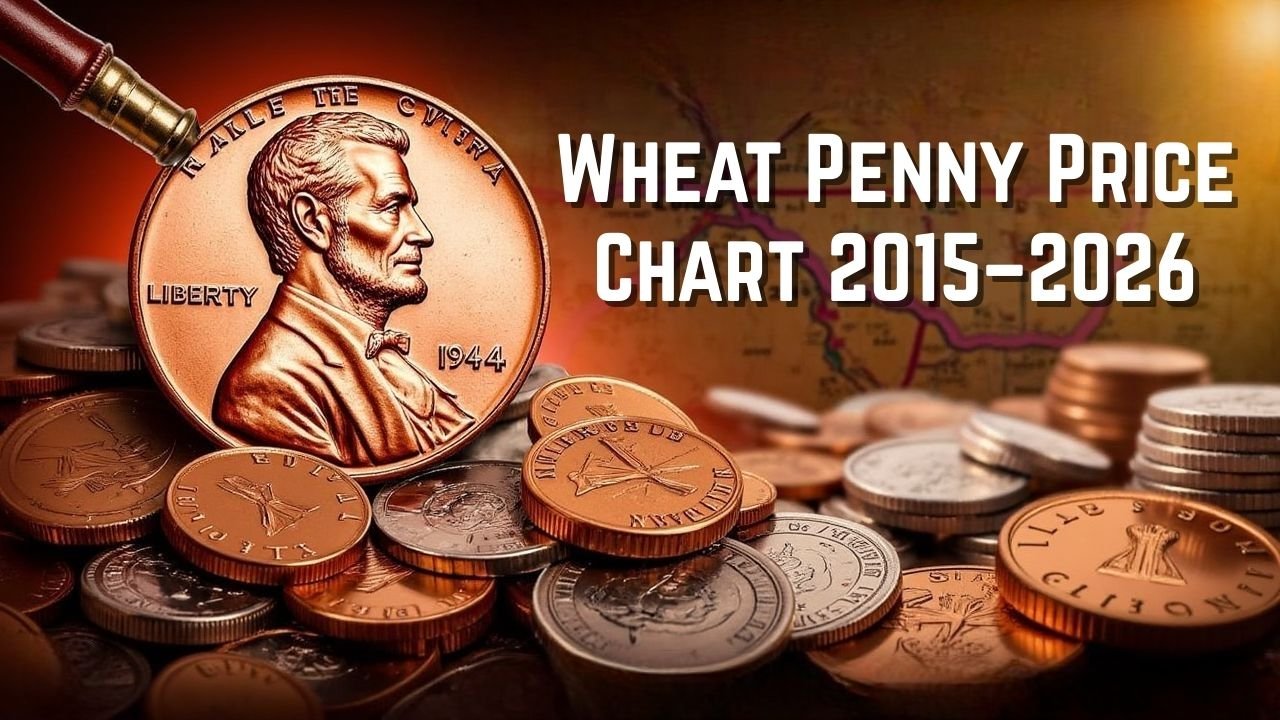
The Lincoln Wheat Penny is more than a piece of currency; it is a symbol of American culture, artistry and history. Designed by sculptor Victor David Brenner, it was the first circulating U.S. coin to feature a real person on the obverse. The wheat stalks on the reverse represented prosperity and abundance, perfectly capturing the nation’s spirit during the early 1900s.
Collectors in 2026 are increasingly drawn to Wheat Pennies because they carry a sense of nostalgia. They represent an era of craftsmanship when coins were struck with meticulous detail. Many collectors also enjoy the thrill of the hunt, as valuable varieties can still occasionally appear in circulation, in old jars, or inside inherited coin collections. The sense of history attached to each piece keeps the Wheat Penny relevant long after its circulation ended in 1958.
Historical Overview of the Wheat Penny Series
The Lincoln Wheat Penny was minted from 1909 to 1958, making it one of the longest-running designs in U.S. coin production. The first year of issue, 1909, produced several varieties that remain highly collectible today. Among them, the 1909-S VDB and the 1909-S without the VDB initials are particularly sought after.
Throughout its production, the Wheat Penny saw various design adjustments and minting differences between facilities in Philadelphia, Denver and San Francisco. These changes not only created distinct varieties but also contributed to the rarity of certain mintages. Coins struck during the World War II era also hold significance, as metal shortages forced the U.S. Mint to alter compositions—most famously in 1943 when pennies were struck in steel rather than copper.
This broad historical range offers collectors a diverse selection of coins, each with a story influenced by economic conditions, minting errors and shifts in national priorities.
Rare Lincoln Wheat Pennies Driving the 2026 Market
In 2026, several Wheat Penny varieties stand out as top performers in the collectors’ market. These coins remain rare due to low mintages, distinctive errors or unique historical attributes. Some of the most sought-after pieces include the 1909-S VDB, 1914-D, 1922 No D and 1931-S. Additionally, error coins such as doubled-die pennies from 1955 or 1944 steel cents continue to attract high bids at auctions.
What makes these coins valuable is a combination of scarcity and demand. A coin with a low mintage does not automatically guarantee a high price unless collectors actively seek it. However, Wheat Pennies possess a strong collector base, ensuring that rare examples continue appreciating in value. Condition also plays a significant role. A coin that might be worth a few hundred dollars in circulated condition can reach thousands when professionally graded and preserved in mint-state condition.
The Influence of Grade and Condition on Value
In 2026, grading remains one of the most important factors influencing the value of Wheat Pennies. Coins are typically assessed on a scale from Poor (P-1) to Mint State (MS-70), with MS-65 and higher grades commanding premium prices. A beautifully preserved Wheat Penny with minimal wear, sharp details and glossy luster can transform an ordinary date into a prized collectible.
Collectors often rely on professional grading services to authenticate and encapsulate their coins. This not only protects the coin from handling damage but also provides confidence in the marketplace. As more investors enter numismatics, certified coins have become the preferred choice, leading to increased competition for high-grade Wheat Pennies.
In recent years, high-resolution imaging and improved grading technology have made the grading process more accurate. As a result, rare Wheat Pennies in superb condition continue to see strong appreciation throughout 2026.
Market Trends Shaping the 2026 Coin Industry
The Wheat Penny market in 2026 shows several major trends that influence price growth and collector behavior. First, online auctions and digital marketplaces have made rare coins more accessible to global buyers. Collectors who once relied solely on physical coin shows or local dealers now have the ability to bid on premium Wheat Pennies from trusted platforms. This expansion of availability has increased competition, pushing values higher.
Second, younger collectors have entered the market, often inspired by social media coin-hunting content. As a new generation takes interest in coins from the 1909–1958 era, demand for well-preserved Wheat Pennies has surged. Many of these newer collectors enjoy the historical stories tied to each variety, which keeps the Wheat Penny relevant even as new coin series enter circulation.
Third, inflation and economic uncertainty have strengthened interest in tangible assets. Coins with historical value are increasingly viewed as alternative investments—less volatile than stocks and more accessible than precious metals. The Wheat Penny, particularly in rare varieties, has benefited from this shift.
Key Factors Influencing Future Price Growth
The value of Lincoln Wheat Pennies in the coming years will depend on several factors. The availability of high-grade rarities is expected to decline as more collectors lock their coins away in long-term portfolios. This reduced supply may drive prices upward, especially for key dates and major error varieties.
Another factor is the increasing use of artificial intelligence in identifying counterfeits and grading inconsistencies. With improved verification tools, collectors can purchase Wheat Pennies with greater confidence, which strengthens the overall market. The continued rise of online auction platforms is also expected to keep demand strong through 2026 and beyond.
Lastly, cultural interest in Americana and early 20th-century artifacts has continued to grow. As people look for tangible pieces of history, coins such as the Wheat Penny naturally rise in prominence. Their affordability compared to other collectibles makes them accessible to beginners while still offering the potential for significant financial returns.
Why Beginners Should Consider Collecting Wheat Pennies in 2026
For new collectors, the Wheat Penny remains an ideal starting point. The coin is rich in history, widely available in most date ranges and full of rare treasures waiting to be discovered. Beginners can easily build a foundational collection at a modest cost, and over time, explore higher-value rarities as their knowledge grows.
The thrill of discovering a valuable date, variety or mintmark makes the hobby rewarding. Many collectors have found exceptional Wheat Pennies hidden in old boxes, family estates or even pocket change. This accessibility ensures that anyone with curiosity and patience can join the numismatic community.
Moreover, learning to grade, identify varieties and study coin history helps beginners sharpen their analytical and research skills. This makes collecting not only enjoyable but also intellectually engaging.
The Enduring Legacy of the Lincoln Wheat Penny
Even after more than 115 years, the Lincoln Wheat Penny shows no signs of losing its shine among collectors. Its elegant design, historical importance and variety of rare issues continue to attract enthusiasts in 2026. Whether viewed as an investment, a collectible or a piece of American heritage, the Wheat Penny holds a special place in the numismatic world.
Collectors value it not just for potential financial gain but for the stories and craftsmanship it embodies. Each coin serves as a miniature snapshot of a moment in time, preserved for future generations.
Conclusion
The Lincoln Wheat Penny 2026 market reflects a strong and growing interest in one of America’s most beloved coins. With rising demand, digital marketplaces expanding opportunities and new generations of collectors entering the hobby, the Wheat Penny continues to stand tall as a cornerstone of U.S. numismatics. Its rare varieties, rich history and lasting appeal make it a compelling collectible for beginners and experienced investors alike. As market trends evolve and the coin community expands, the Wheat Penny remains a symbol of history, resilience and enduring value.
FAQs
Q1. What is a Lincoln Wheat Penny?
A. A Lincoln Wheat Penny is a U.S. one-cent coin minted from 1909 to 1958 featuring wheat stalks on the reverse.
Q2. Why are some Wheat Pennies rare?
A. They become rare due to low mintages, minting errors, age, and limited surviving pieces.
Q3. Which Wheat Pennies are most valuable in 2026?
A. Key dates like 1909-S VDB, 1914-D, and rare mint-error pennies show the highest market value.