
The world of numismatics is full of surprises, but few coins have captured the imagination of collectors quite like the Lincoln Wheat Penny. First minted in 1909, this humble bronze coin has grown into one of the most studied, collected, and obsessively hunted U.S. coins in history. Over the decades, several rare errors and varieties have surfaced—some so extraordinary that they have fetched jaw-dropping prices at auctions. In 2026, an updated wave of collector data, auction results, and expert insights has once again pushed the Lincoln Wheat Penny into the spotlight, with certain errors now valued as high as $586,000, making this a thrilling moment for both seasoned collectors and newcomers.
Table of Contents
The Legacy and Charm of the Lincoln Wheat Penny
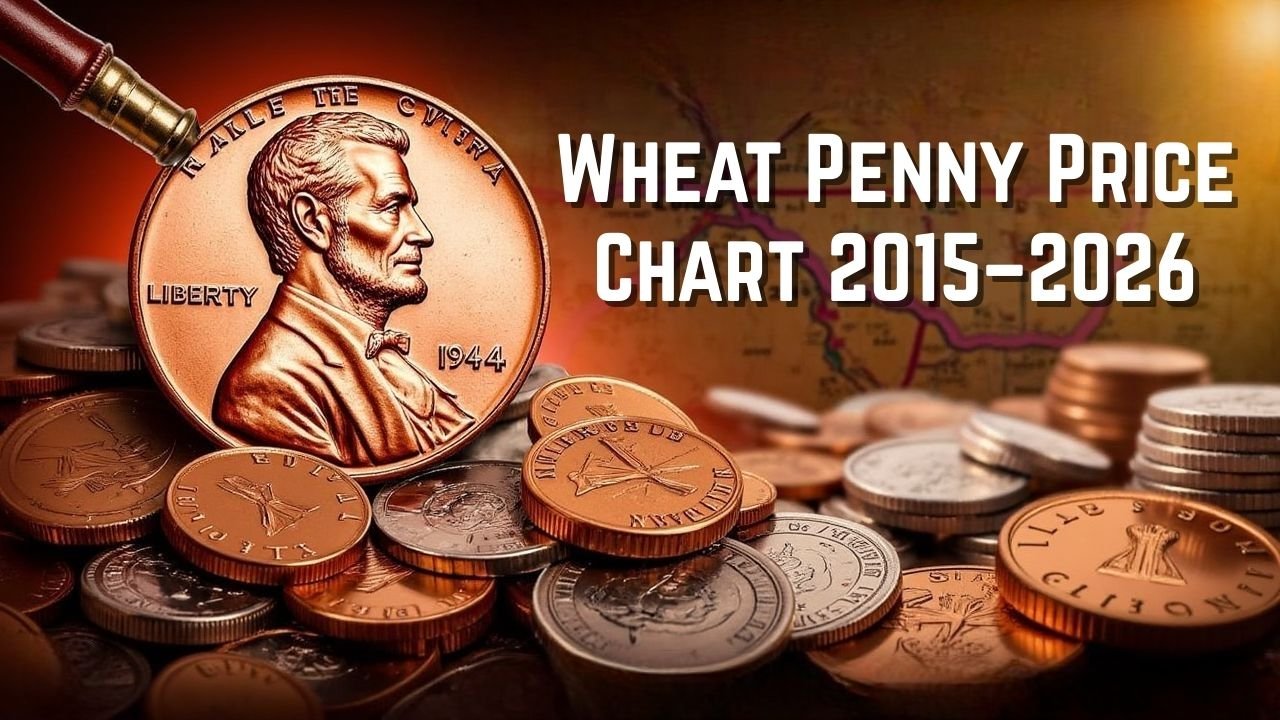
Before diving into specific errors and their staggering 2026 valuations, it’s important to understand why the Lincoln Wheat Penny continues to hold such an iconic status. More than a century after its introduction, it remains a beloved piece of American history. Designed by sculptor Victor David Brenner, the coin marked the centennial of Abraham Lincoln’s birth and became the first U.S. coin to feature a real person’s portrait.
Collectors often describe Wheat Pennies as sentimental keepsakes. Many of us have memories of discovering them in dusty drawers, old piggy banks, or inherited collections. Every so often, one of those ordinary-looking pennies turns out to be a rare treasure, hiding in plain sight. The thrill of this possibility fuels the excitement around these coins even in 2026.
Why Error Pennies Fetch Such Astonishing Prices
Coin errors are accidental anomalies that occur during the minting process. These mistakes—ranging from doubled die strikes to missing design elements—make error pennies exceptionally rare. Their scarcity plays a major role in determining their collector value. For a Wheat Penny error to be worth hundreds of thousands of dollars, it must be both extremely rare and historically significant. When these factors combine, the final auction price can reach unbelievable heights.
In the latest 2026 auction data, a handful of Wheat Penny errors have demonstrated unprecedented value. The most notable of them, a legendary doubled-die variety, reached the incredible price of $586,000, setting a new standard for Wheat Penny valuations.
The 2026 Market Surge and What It Means for Collectors
The renewed surge in value for Lincoln Wheat Penny errors is not happening in isolation. Several broader trends explain this dramatic rise. The collector community has grown consistently over the past decade, fueled by social media, digital marketplaces, and even mainstream documentary features about rare collectibles. As more people enter the hobby, competition intensifies, especially for coins with limited surviving examples.
Another factor is the growing appetite for alternative investments. Many individuals are looking beyond traditional stock markets to tangible assets—rare coins, luxury watches, graded cards, and vintage items. In this context, Wheat Pennies have resurfaced as stable assets with strong long-term appreciation.
Finally, key auction houses have pushed rare error pennies into the public eye with high-profile sales and record-setting bids. Once a coin breaks a major price barrier—as the $586K example did—it reshapes the market’s expectations and opens the door for other rare varieties to rise in value.
Understanding the Most Valuable Errors in 2026
As of the updated 2026 collector’s guide, the following categories of errors dominate the market. These descriptions help collectors understand which traits elevate a Wheat Penny from interesting to truly extraordinary.
Doubled Die Obverse Errors
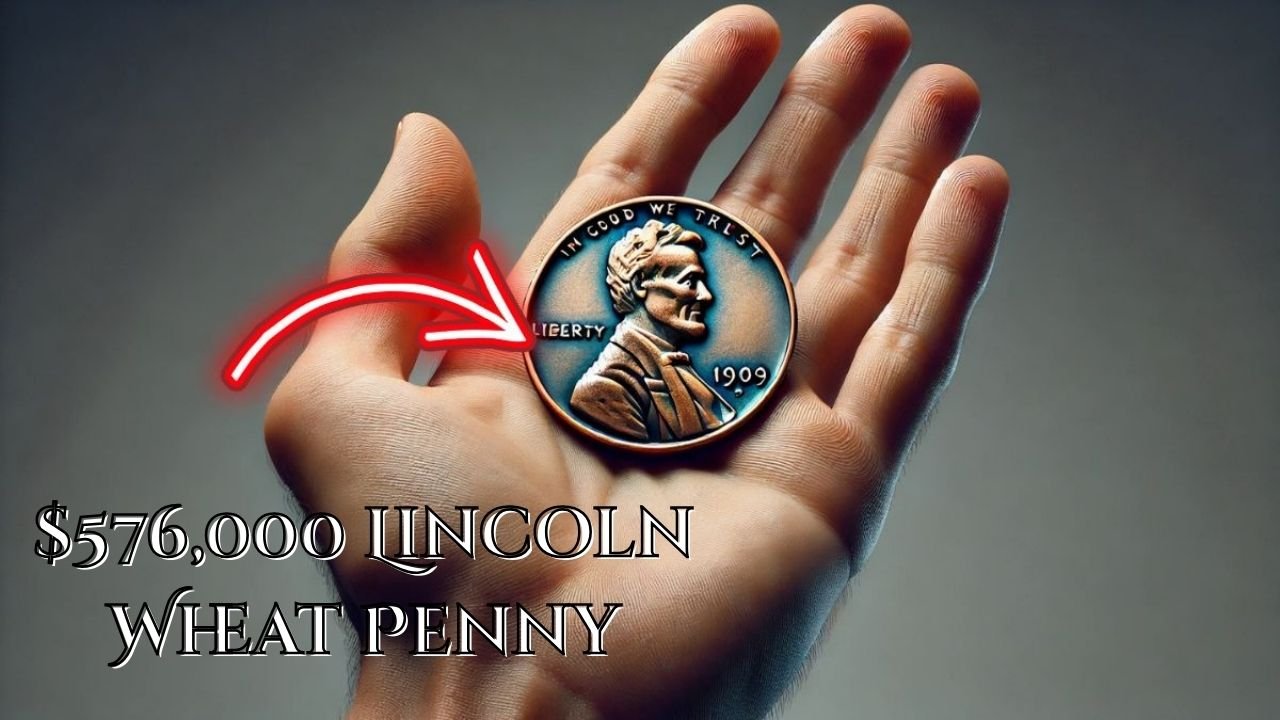
Arguably the most iconic category, doubled die obverse errors occur when a misaligned die imprints the design twice in slightly different positions. This effect is especially dramatic when visible on the date or the word “LIBERTY.” Some of the rarest Lincoln Wheat Pennies feature this error, often displaying bold, unmistakable doubling.
The 2026 auction record of $586,000 belongs to precisely this category. Its doubling was so sharp and pristine that experts considered it one of the finest examples of the variety ever discovered. Coins with strong doubling and minimal wear continue to climb in value year after year.
Off-Center Strikes
An off-center strike occurs when a coin is misaligned during minting, causing parts of its design to be missing. While minor off-center strikes are relatively common, dramatic examples—especially those keeping the date fully visible—are much rarer and much more valuable. Collectors prize these coins for their visual uniqueness, as each off-center strike is effectively one of a kind.
Repunched Mint Marks
Before the era of machine precision, mint marks were punched into the die by hand. Errors from this manual process created repunched mint mark varieties, where a second or even third impression is visible. These subtle but fascinating mistakes attract collectors who appreciate the skill and craftsmanship of early mint workers.
Wrong Planchet Errors
Some of the rarest Wheat Penny errors occur when a penny is accidentally struck on metal intended for another denomination. These wrong-planchet coins are exceptionally rare and usually command high auction prices due to their unique composition and dramatic minting anomaly.
Die Cracks and Cuds
While usually considered minor errors, severe die cracks and cuds—raised, irregular blobs on the surface caused by broken dies—can attract significant value if they appear on older or rarer dates. Collectors enjoy these because they represent a visible breakdown in the minting machinery, frozen in time on a coin.
How to Know If Your Wheat Penny Is Valuable
For anyone holding a jar of old pennies or a family coin album, the idea that a single coin could be worth tens or hundreds of thousands of dollars is exciting. But identifying a valuable Wheat Penny requires patience and attention to detail.
The first step is to examine the date and mint mark carefully. Certain years—especially 1909, 1914, 1922, 1931, 1943, and 1955—are known for highly valuable varieties and errors. Using a magnifying lens can help reveal doubling, repunched marks, or tiny anomalies invisible to the naked eye.
Condition plays a critical role too. Two coins with identical errors can have drastically different values based on their grade. High-quality, uncirculated coins command premium prices in the 2026 market.
Finally, authentication is essential. Many Wheat Penny errors have been counterfeited, especially famous doubled-die varieties. Reputable grading agencies remain the gold standard for confirming authenticity and issuing certification that collectors trust.
The Role of Professional Grading in 2026
In the modern collecting world, professional grading has become indispensable. A certified coin carries more trust, commands higher prices, and is easier to sell in auctions or private transactions. In 2026, more collectors than ever are choosing to submit Wheat Pennies for grading because small differences in grade can lead to dramatic increases in value.
Grading agencies evaluate not only the physical condition of a coin but also verify the error type and confirm its authenticity. A rare Lincoln Wheat Penny certified as genuine can transform its marketability and investor appeal overnight. In some cases, grading has been the deciding factor in whether a coin sells for a modest sum—or enters the six-figure price range.
Are Rare Wheat Penny Errors Still Being Found?
One of the most fascinating aspects of numismatics is that discoveries can happen anywhere. Despite more than a century passing since Wheat Pennies were first minted, rare varieties and errors are still being uncovered in estates, old coin rolls, inherited collections, and forgotten coin jars.
Part of the excitement is the idea that a life-changing discovery could still be out there, waiting for the right collector to notice it. The 2026 market proves that extraordinary finds remain possible—and valued higher than ever.
The Growing Cultural Appeal of U.S. Coin Collecting
Coin collecting has gradually shifted from a niche hobby into a mainstream cultural interest. Television shows, social media communities, and educational content have pushed numismatics into the spotlight. Younger collectors, who once dismissed coin collecting as old-fashioned, now embrace it for its blend of history, art, and tangible value.
The Lincoln Wheat Penny, with its rich heritage and rare varieties, is perfectly positioned at the center of this cultural resurgence. As 2026 unfolds, more people than ever are turning their attention to these coins—not only as collectibles but also as pieces of American identity.
Conclusion
The Lincoln Wheat Penny has always held a special place in the world of collectibles, but its soaring valuations in 2026 have elevated it to new heights. From iconic doubled-die errors to rare wrong-planchet strikes, these humble coins have proven capable of commanding extraordinary prices—up to $586K, according to the latest collector data.
Beyond the numbers, however, lies a deeper truth: the enduring appeal of the Wheat Penny is about more than financial value. It represents history, craftsmanship, and the timeless thrill of discovery. Whether you are a seasoned collector or someone holding a jar of old change, the 2026 guide reminds us that remarkable treasures can still be found, and their stories continue to inspire and amaze.
FAQs
1. What makes a Lincoln Wheat Penny worth $586K?
A. Rare minting errors, unique variations, and exceptional condition can push its value into the hundreds of thousands.
2. Which Lincoln Wheat Penny errors are most valuable?
A. Key errors include double dies, off-center strikes, repunched mint marks, and wrong-planchet strikes.
3. Are all Wheat Pennies valuable?
A. No. Only rare error coins, key dates, and high-grade pieces carry extreme value.