

Behavior challenges are part of every learning environment. Whether in early childhood programs or school settings, how educators respond to and learn from these challenges makes a significant difference. A structured and consistent system for documenting behavior helps schools move beyond guesswork and emotional reactions. This is where the Behavior Incident Report system becomes essential. Rather than focusing on punishment, it encourages reflection, pattern recognition, and informed decision-making.
When used correctly, a well-designed reporting system provides clarity. It allows teachers, administrators, and support staff to understand what is happening, when it is happening, and why it may be occurring. Over time, these insights help programs improve classroom environments, strengthen behavior supports, and ensure fair and equitable responses for all children.
Table of Contents
Behavior Incident Report
A Behavior Incident Report is more than a form—it is a data-driven approach to understanding challenging behavior within a structured framework. Unlike traditional discipline logs, this system captures detailed information about the context of behavior, including the setting, activity, adults involved, and the response provided. This depth allows teams to analyze trends rather than reacting to isolated events.
The system is commonly used in early childhood education and school-based programs that aim to improve social-emotional outcomes. By collecting consistent data across classrooms and time periods, programs can make informed decisions that support both children and staff. The goal is not to label or punish, but to guide meaningful change.
Overview of the Behavior Incident Report System
| Component | Description |
|---|---|
| Purpose | Collects structured data on challenging behavior |
| Primary Users | Teachers, administrators, behavior support teams |
| Key Focus | Patterns, context, and prevention |
| Data Collected | Behavior type, time, location, activity, response |
| Analysis Tool | Spreadsheet-based summaries and charts |
| Outcome | Data-informed decision-making and support planning |
Purpose of the Behavior Incident Report System
The primary purpose of the Behavior Incident Report system is to support data-based decision-making. Instead of relying on memory or subjective impressions, educators use documented evidence to guide improvements. This approach reduces bias and ensures that decisions are grounded in actual patterns rather than assumptions.
Another key purpose is prevention. When schools analyze incident data regularly, they often discover that certain behaviors occur during specific routines, times of day, or classroom activities. Addressing these environmental or instructional factors can reduce incidents before they escalate.
Core Components of a Behavior Incident Report
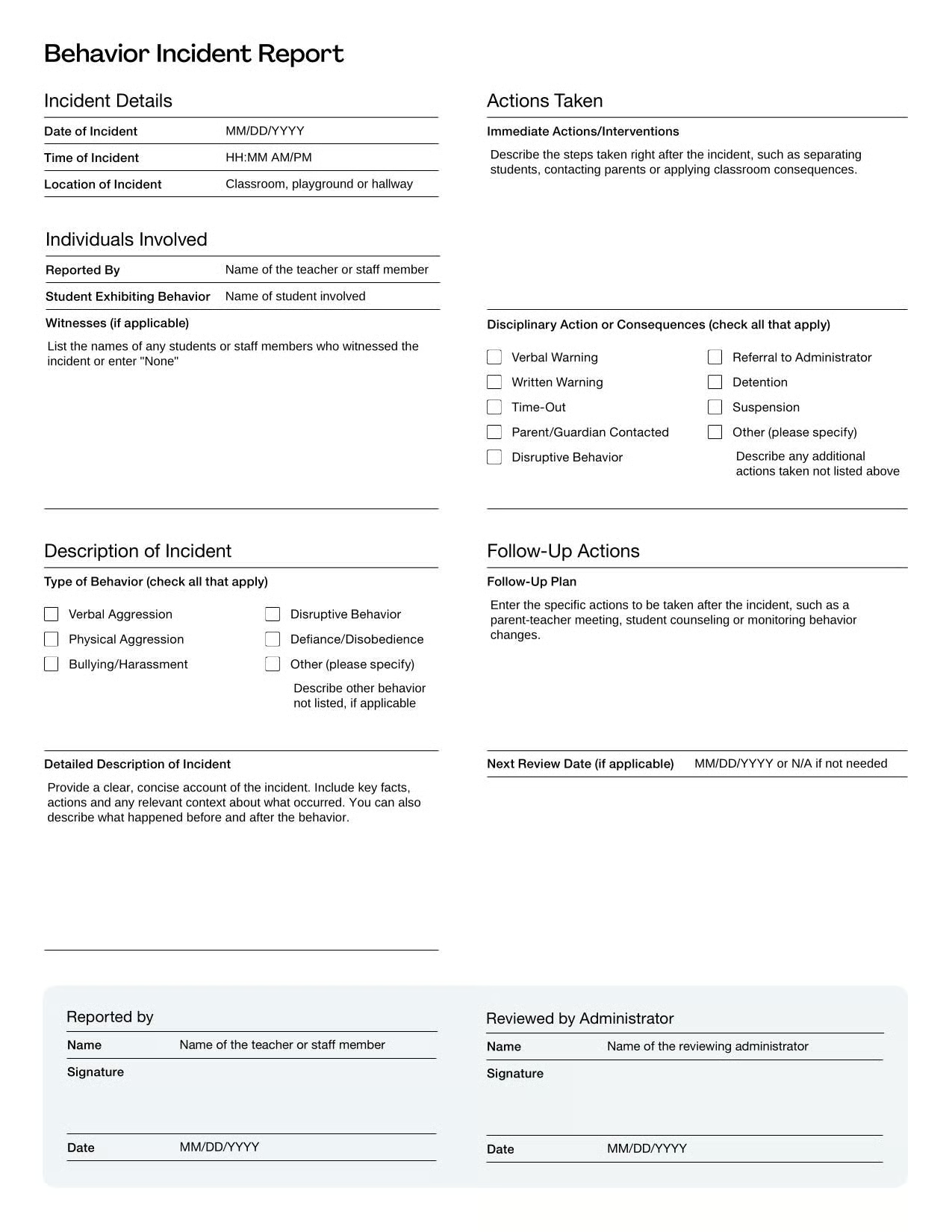
A well-designed Behavior Incident Report includes several essential elements. Each section contributes to a fuller understanding of what occurred and why.
Incident Details
This section records the date, time, and location of the behavior. These details help identify trends related to schedules or environments.
Description of Behavior
Educators document what the child did using clear, objective language. The focus is on observable actions rather than interpretations or emotions.
Activity or Routine
Recording what was happening at the time of the incident helps teams understand whether transitions, group activities, or unstructured time contribute to challenges.
Staff Response
This section captures how adults responded to the behavior. Over time, this information helps determine which strategies are most effective.
Follow-Up Actions
Any additional steps, such as family communication or support referrals, are noted to ensure continuity and accountability.
Collecting Accurate and Consistent Data
Consistency is critical when using a Behavior Incident Report system. If staff members interpret behaviors differently or complete forms inconsistently, the data loses value. Clear definitions and shared expectations help ensure reliability.
Training plays a major role here. Educators should understand:
- What qualifies as a reportable incident
- How to describe behavior objectively
- Why accurate data benefits everyone
Programs that invest time in staff alignment see more meaningful results from their data.
Data Entry and Analysis
Once Behavior Incident Reports are completed, the information is entered into a centralized data system—often a spreadsheet designed for automated summaries. This step transforms individual reports into usable insights.
Common analysis areas include:
- Frequency of behaviors
- Types of behaviors observed
- Incidents by classroom or location
- Incidents by time of day or routine
These summaries help leadership teams quickly identify where support is needed most.
Using Data for Decision-Making
The real value of the Behavior Incident Report system lies in how the data is used. Many programs follow a simple Look–Think–Act process.
Look
Teams review charts and summaries to identify trends or concerns.
Think
They discuss why patterns might exist and what factors could be influencing behavior.
Act
Finally, they develop action steps, such as adjusting routines, providing training, or offering targeted support.
This cycle ensures that data leads to practical improvement rather than sitting unused.
Supporting Equity Through Behavior Data
One important benefit of the Behavior Incident Report system is its role in promoting equity. When behavior data is reviewed by demographic categories, programs can identify potential disproportionality.
For example, teams may notice that certain groups of children are reported more frequently or receive different responses. This awareness allows programs to address bias, improve consistency, and ensure fair treatment.
Best Practices for Implementing the System
Successful implementation requires more than distributing forms. Programs that see lasting benefits typically follow these best practices:
Clear Guidelines
Provide written instructions and examples so staff know exactly how to complete reports.
Regular Review
Schedule routine data review meetings rather than waiting for problems to escalate.
Confidentiality
Protect sensitive information by limiting access and using secure storage systems.
Ongoing Training
Refresh staff understanding regularly, especially when new team members join.
Common Challenges and How to Address Them
While the Behavior Incident Report system is effective, programs may face challenges during implementation.
One common issue is underreporting due to time constraints. Simplifying forms and emphasizing the long-term value of data can help address this concern.
Another challenge is inconsistent interpretation of behaviors. Clear definitions and team discussions improve consistency and confidence.
Aligning Behavior Supports With Data
Behavior data should never exist in isolation. The most effective programs connect their Behavior Incident Report findings to broader behavior support frameworks. This alignment ensures that classroom strategies, professional development, and family engagement all reflect actual needs.
When data informs practice, behavior support becomes proactive rather than reactive.
Role of Leadership in System Success
Leadership support is essential for sustaining a Behavior Incident Report system. Administrators set the tone by emphasizing purpose over compliance. When staff see that data leads to meaningful action, they are more likely to participate fully.
Leaders also play a key role in ensuring time is allocated for data review and follow-up planning.
Long-Term Benefits of the Behavior Incident Report System
Over time, programs that use the system consistently experience several benefits:
- Reduced challenging behavior
- Improved classroom environments
- Stronger staff confidence
- More equitable discipline practices
- Better outcomes for children
These benefits compound as data-driven decision-making becomes part of the program culture.
Conclusion
Mastering the Behavior Incident Report system requires commitment, clarity, and collaboration. When used as intended, it shifts the focus from reacting to behavior to understanding it. By collecting consistent data, analyzing patterns, and taking informed action, educators create environments where children can succeed socially and emotionally.
Ultimately, the Behavior Incident Report system is not about documenting problems—it is about building solutions.