
Early childhood education has evolved rapidly over the past few years. Today’s classrooms are more diverse, more inclusive, and more aware of children’s emotional needs than ever before. Educators are no longer focused only on academic readiness. They are equally concerned with helping children develop emotional regulation, social skills, and a sense of belonging.
This shift has led many teachers and school leaders to explore blended approaches, which brings us to a question that continues to gain attention: Montessori vs. Pyramid Model: Can They Coexist? At first, these two approaches can seem worlds apart. Montessori is often associated with quiet classrooms, self-directed learning, and minimal adult intervention. The Pyramid Model is known for its intentional teaching of social-emotional skills and structured behavior supports. Still, as educational priorities change, more professionals are asking whether combining these approaches could actually strengthen classroom practice rather than complicate it.
When educators explore Montessori vs. Pyramid Model Can They Coexist?, they are really asking how independence and emotional support can work together. Montessori classrooms give children freedom to choose their work, move at their own pace, and develop autonomy. The Pyramid Model focuses on creating emotionally safe environments where children are taught how to manage feelings, build relationships, and navigate challenges. Rather than canceling each other out, these approaches can address different needs within the same learning space. Montessori supports cognitive development and independence, while the Pyramid Model strengthens emotional resilience and social understanding. When combined thoughtfully, they can help children thrive academically and emotionally, which is increasingly important in modern early childhood settings.
Table of Contents
Montessori vs. Pyramid Model
| Aspect | Montessori Approach | Pyramid Model |
|---|---|---|
| Core Focus | Independence and self-directed learning | Social-emotional development and behavior support |
| Teacher Role | Observer and guide | Active facilitator and coach |
| Learning Environment | Calm, prepared, child-led | Predictable, emotionally supportive |
| Behavior Support | Self-regulation through choice | Proactive prevention and intervention |
| Skill Emphasis | Academic, practical life, independence | Emotional literacy, relationships, self-regulation |
| Flexibility | Individual pacing | Tiered supports based on need |
The question of Montessori vs. Pyramid Model is no longer theoretical. In today’s classrooms, educators are already blending approaches to meet complex and evolving needs. Montessori nurtures independence, curiosity, and focus. The Pyramid Model strengthens emotional foundations and positive behavior. When implemented with intention, these models do not compete. They complement each other. Together, they support the whole child, creating learning environments where children feel capable, understood, and ready to grow.
Core Principles of The Montessori Approach
- Montessori education is built on the belief that children are naturally curious and capable learners. When placed in a carefully prepared environment, they will choose meaningful work and engage deeply without constant adult direction. Materials are hands-on and designed to be self-correcting, allowing children to learn through experience rather than correction.
- Freedom within limits is a central Montessori concept. Children can choose their activities, but they must respect the classroom rules, materials, and others. This structure helps children develop internal discipline rather than relying on rewards or punishment. Over time, they learn to manage their behavior because it feels purposeful, not because an adult is enforcing compliance.
- Another defining element is the mixed-age classroom. Younger children learn by observing older peers, while older children develop leadership and empathy. Social skills develop naturally as part of daily interactions, making Montessori environments both academically and socially rich.
Key Elements Of The Pyramid Model Framework
- The Pyramid Model was developed to support young children’s social and emotional development while reducing challenging behaviors. It is not a reactive system. Instead, it focuses on prevention by creating strong relationships and supportive environments from the start.
- The foundation of the Pyramid Model emphasizes nurturing teacher-child relationships and predictable classroom routines. When children feel safe and understood, they are more likely to engage positively. The next level focuses on explicitly teaching social-emotional skills such as recognizing emotions, solving problems, and building friendships.
- The final tier provides individualized interventions for children who need additional support. These strategies are intentional, data-informed, and collaborative, often involving families and specialists. The goal is always understanding and support, not punishment.
Where Montessori and The Pyramid Model Align
Despite their differences, Montessori and the Pyramid Model share several core values. Both approaches prioritize respect for the child and emphasize the importance of the learning environment. Neither relies on punitive discipline or external rewards to manage behavior. Montessori classrooms already include many elements the Pyramid Model recommends. Predictable routines, calm spaces, and strong teacher-child relationships are standard in Montessori settings. Grace and courtesy lessons align closely with teaching emotional regulation and social skills. Both approaches also rely heavily on observation. Montessori teachers observe to understand a child’s interests and readiness. Pyramid Model practitioners observe to identify emotional or behavioral needs. In both cases, observation drives intentional decision-making rather than assumptions.
Potential Challenges in Combining Both Models
- The most common challenge in blending Montessori and the Pyramid Model is balancing adult involvement. Montessori philosophy encourages teachers to step back and allow children to work independently. The Pyramid Model sometimes requires direct teaching and intervention, especially when addressing emotional or behavioral challenges.
- Another challenge is consistency. The Pyramid Model relies on shared strategies and language among adults, while Montessori classrooms often emphasize individualized approaches. Without collaboration and planning, this difference can create confusion for both teachers and children.
- Training is also a factor. Educators trained exclusively in one approach may feel unsure about implementing elements of the other. Successful integration requires professional development that honors both philosophies rather than forcing one to override the other.
Practical Strategies for Coexistence In The Classroom
- Coexistence becomes possible when educators focus on shared goals instead of differences. One effective strategy is embedding Pyramid Model practices into existing Montessori routines. Emotional vocabulary can be introduced during grace and courtesy lessons, and problem-solving skills can be modeled during natural classroom conflicts.
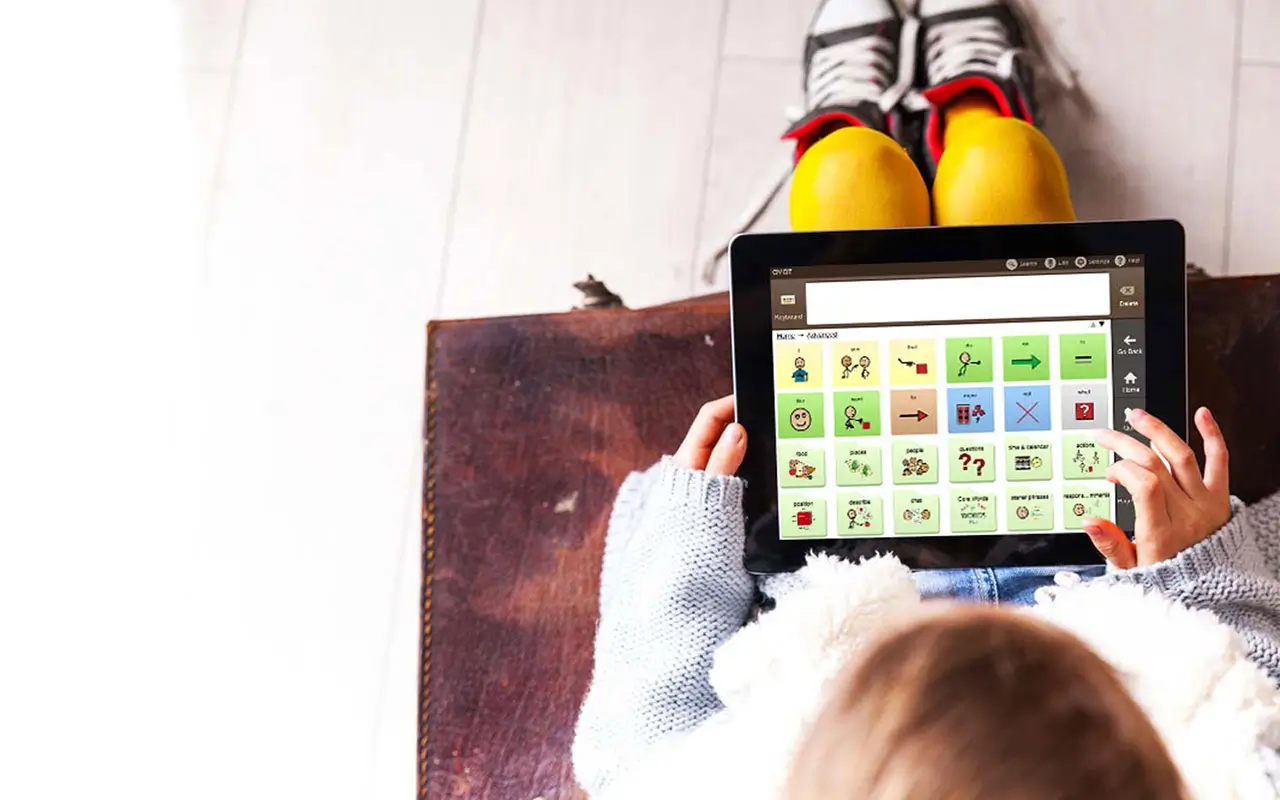
- Calm-down areas can be thoughtfully designed to fit within the Montessori aesthetic. Visual supports, such as emotion charts, can be used discreetly without disrupting the classroom flow. Teachers can maintain a Montessori mindset while still offering emotional coaching when needed.
- Observation remains the most powerful tool. By closely watching children, educators can decide when independence is appropriate and when additional support is necessary. This flexibility allows both models to function together in a way that feels natural rather than forced.
Benefits Of an Integrated Approach
- When Montessori and the Pyramid Model are combined, classrooms become more responsive to the needs of all children. Students gain independence and confidence while also learning how to manage emotions, resolve conflicts, and build healthy relationships.
- Teachers benefit from having a broader toolkit. Instead of feeling limited by one philosophy, they can respond thoughtfully to a wide range of behaviors and learning styles. Families also appreciate classrooms that support both academic growth and emotional well-being.
- From a long-term perspective, children who experience both approaches are better prepared for future learning environments. They develop not only academic skills but also resilience, empathy, and self-awareness.
FAQs on Montessori vs. Pyramid Model
Can Montessori and the Pyramid Model Be Used in the Same Classroom?
Yes, they can be used together when implemented thoughtfully. Montessori supports independence and self-directed learning, while the Pyramid Model adds structured emotional and behavioral support.
Does The Pyramid Model Conflict with Montessori Independence?
Not necessarily. The Pyramid Model does not remove independence. It provides guidance when children struggle emotionally or socially.
Is The Pyramid Model Only for Children with Behavior Challenges?
No, The Pyramid Model is designed for all children. Its universal strategies improve classroom climate, strengthen relationships.
Do Montessori Teachers Need Special Training to Use the Pyramid Model?
While it is possible to apply basic strategies without formal training, professional development is strongly recommended.