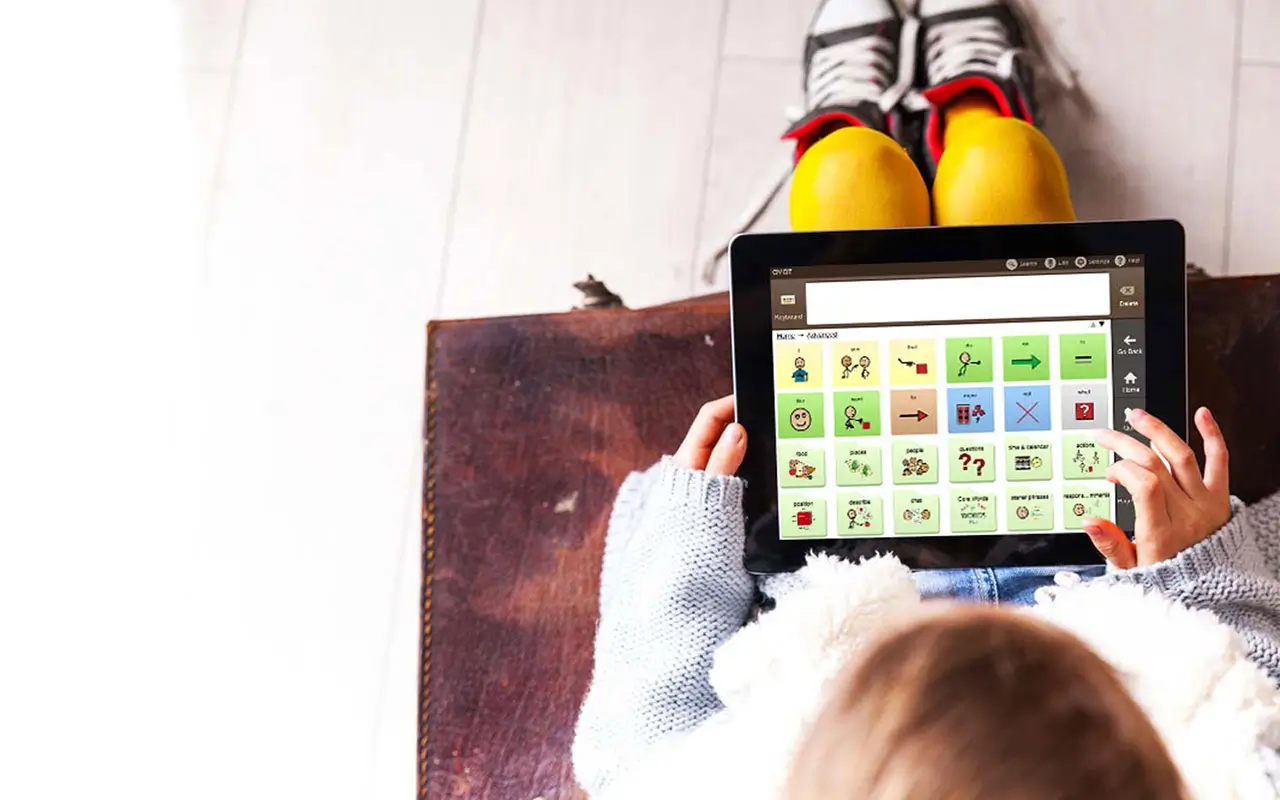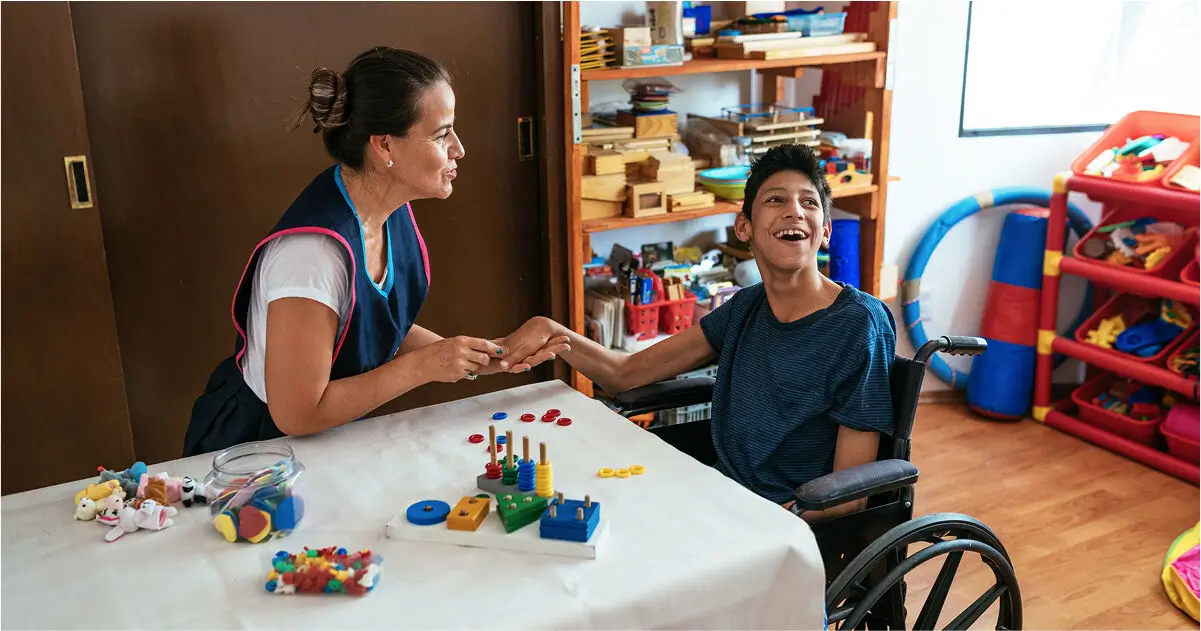

In recent years, there has been a growing focus on providing therapy for children in natural environments, particularly in the comfort of their own homes. This shift has emerged as a result of recognizing the numerous advantages that therapy can offer when it is conducted in settings where children feel most comfortable, secure, and engaged. Therapy at home provides a more relaxed and personalized experience, allowing children to develop new skills within their everyday routines and surroundings. But what exactly makes therapy at home such an effective approach, and how does it benefit your child’s overall development? The concept of therapy in a natural environment revolves around the idea that children are more likely to thrive when they receive therapy in settings that mirror their daily lives. Whether it is in their living room, during mealtimes, or while engaging in family activities, therapy becomes a seamless and relatable experience. Not only does this make the process more enjoyable for children, but it also allows them to retain and apply the skills they learn more effectively. As parents and caregivers, it’s essential to understand why therapy in the home environment such a powerful tool is in supporting your child’s growth and development.
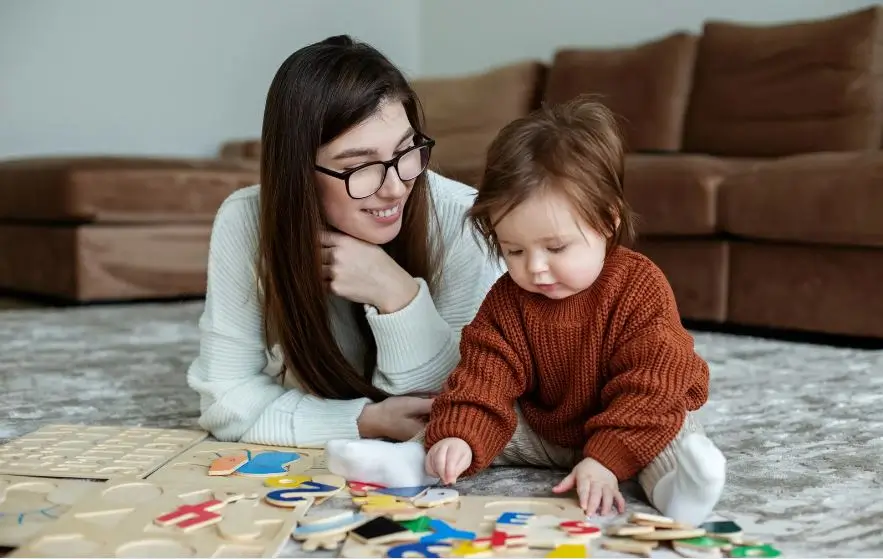
Natural environments offer unique advantages that clinical settings simply cannot replicate. When therapy is conducted at home, children are in a familiar environment where they feel at ease, which reduces stress and anxiety. This sense of security encourages children to participate more actively in therapy sessions, leading to improved engagement and skill acquisition. In contrast, a clinical environment can often be intimidating for young children, which may hinder their ability to focus or feel comfortable enough to engage fully. Furthermore, therapy in natural environments provides the opportunity for therapists to integrate their interventions into everyday activities. Instead of relying on structured exercises that take children away from their routine, therapists can incorporate therapeutic techniques into activities that children already enjoy. For instance, a child might practice communication skills during a family meal or develop fine motor skills while playing with toys. This approach not only keeps therapy enjoyable but also makes it more meaningful and relevant to the child’s everyday life.
Table of Contents
Natural Environments
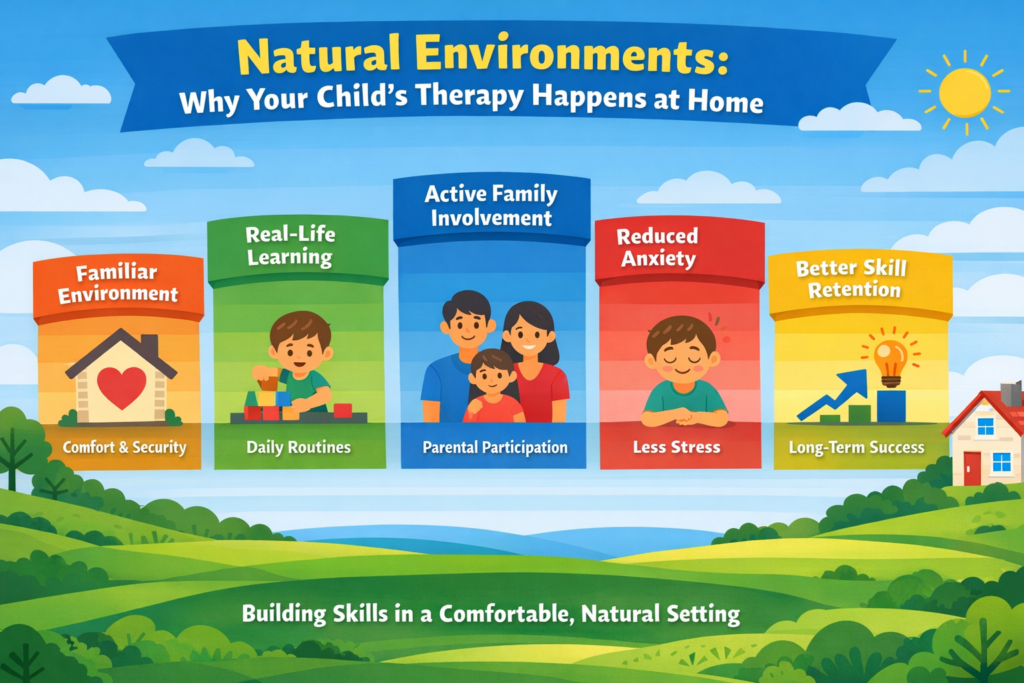
| Benefit | Description |
|---|---|
| Familiar Environment | Therapy occurs in a space where the child feels comfortable and secure. |
| Real-Life Contexts | Therapy is integrated into daily activities, making it more relevant. |
| Active Family Participation | Parents and caregivers play an active role in reinforcing therapeutic goals. |
| Reduced Anxiety | Familiar environments help alleviate stress, making it easier for children to engage. |
| Increased Retention of Skills | Children are more likely to remember and apply skills learned in everyday situations. |
| Improved Socialization Skills | Therapy at home allows for natural social interactions with family members and peers. |
It enables children to learn and grow in familiar settings where they feel comfortable, secure, and motivated to engage. By integrating therapy into everyday routines and activities, children are more likely to retain and apply the skills they learn, making therapy a more meaningful and relevant experience. With the involvement of family members and the ability to tailor therapy to each child’s unique needs, therapy at home fosters a collaborative approach that supports long-term progress and success. Whether it’s improving communication skills, enhancing motor development, or promoting emotional well-being, therapy in natural environments offers a comprehensive solution that addresses the child’s growth in a way that is both engaging and effective.
The Importance of Family Involvement in Therapy
- One of the key elements of therapy at home is the active involvement of family members. Parents and caregivers play a vital role in helping children achieve their therapeutic goals by reinforcing techniques and strategies learned during therapy sessions. This collaboration between therapists and family members creates a strong support system for the child, increasing the likelihood of success.
- Family involvement in therapy also helps children make connections between the lessons learned during therapy and their real-life activities. For example, a therapist might guide parents on how to practice speech and language skills during family meals or how to support their child in practicing social skills during playtime. This integration of therapy into daily life allows for more consistent progress and makes therapy feel like a natural part of the child’s routine, rather than a separate activity.
- In addition, family participation fosters stronger emotional bonds between parents and children. Parents are not only able to support their child’s growth but also engage in meaningful, shared experiences that contribute to the child’s emotional development. This sense of shared responsibility and involvement can help children feel more confident and supported in their journey toward improvement.
Therapy Tailored to the Child’s Needs
- Another significant benefit of therapy at home is the ability to customize interventions based on the unique needs of the child. Every child is different, and therapy is most effective when it takes into account the child’s individual strengths, preferences, and challenges. At home, therapists can adapt their approach to ensure that each session is engaging, relevant, and aligned with the child’s specific goals.
- For example, if a child has a particular interest in art or music, therapists can incorporate those activities into the therapy session to make the experience more enjoyable and engaging. Whether it’s using art to develop fine motor skills or using music to improve auditory processing and social interactions, therapy at home allows for greater flexibility in designing sessions that resonate with the child’s interests.
- Therapists can also track a child’s progress in real-world contexts, which makes it easier to adjust interventions as needed. If a particular approach is not yielding the desired results, therapists can modify their techniques to better suit the child’s evolving needs, ensuring that therapy continues to be effective and supportive throughout the process.
Continuity and Consistency in Therapy
- One of the major advantages of therapy at home is the continuity and consistency it offers. In a traditional clinical setting, therapy sessions are often scheduled once a week, which may create gaps in the child’s learning and development. However, therapy at home can be woven seamlessly into daily life, ensuring that the child receives continuous support and reinforcement of the skills being developed.
- Whether it’s through structured activities or spontaneous moments throughout the day, therapy at home offers countless opportunities for practice and skill-building. For example, a child learning to communicate more effectively might practice their speech and language skills during casual conversations with family members, helping them internalize what they’ve learned. The ability to practice skills consistently throughout the day leads to better retention and greater success in applying those skills in real-life situations.
- Additionally, the flexibility of therapy at home allows parents and caregivers to schedule therapy sessions at times that are most convenient for the family, eliminating the need to coordinate transportation or rearrange busy schedules. This flexibility ensures that therapy becomes a natural part of the child’s daily routine, rather than an added burden.
Encouraging Socialization and Peer Interaction
- Therapy in natural environments also provides ample opportunities for children to practice social skills in real-world settings. At home, children are more likely to interact with siblings, parents, and other family members, which allows them to develop important social skills like sharing, turn-taking, and problem-solving. These social interactions are essential for a child’s emotional and social development.
- Therapists can also guide children through structured activities that encourage positive social behavior. For example, a therapist might design a group activity with siblings to help the child practice cooperation and communication. By incorporating therapy into everyday social interactions, children learn how to navigate real-life social situations and apply the skills they’re working on in therapy.
- Furthermore, therapy at home encourages natural peer interaction, which can lead to stronger relationships with siblings and other family members. These positive social connections help children build confidence and improve their socialization skills, both of which are essential for their overall well-being.
As parents, it is essential to recognize the power of therapy at home as a tool for helping your child reach their full potential. By actively participating in the therapeutic process and working together with your child’s therapist, you can create an environment that encourages growth, learning, and success.
FAQs on Natural Environments
What are the benefits of therapy in a natural environment?
Therapy in a natural environment helps children feel more comfortable and secure, reduces anxiety, and allows therapy to be integrated into real-life situations.
How does family participation impact therapy at home?
Family participation strengthens the child’s support system, helps reinforce therapeutic techniques, and makes therapy a natural part of the child’s daily routine.
Is therapy at home more effective than in a clinical setting?
Yes, therapy at home is often more effective because it allows children to practice skills in real-life contexts, provides continuous support, and ensures that therapy feels more relevant and meaningful.
Can therapy at home help with social skills?
Absolutely. Therapy at home offers children the chance to practice social skills with family members and peers in natural settings, which helps improve their ability to communicate, share, and interact positively.