

Across U.S. schools, Peer-Mediated Intervention is gaining momentum as educators search for effective, inclusive ways to support students with developmental and learning differences. The approach trains typically developing students to assist classmates during routine activities, embedding support into daily school life. Backed by decades of research, peer-mediated strategies are increasingly viewed as a practical response to growing special education needs and staffing constraints.
Table of Contents
Peer-Mediated Intervention
| Key Fact | Detail |
|---|---|
| Evidence base | Improves social interaction, communication, and engagement |
| Primary use | Autism and developmental disabilities |
| Policy alignment | Supports IDEA least-restrictive-environment mandate |
| Cost profile | Low-cost, scalable intervention |
What Is Peer-Mediated Intervention?
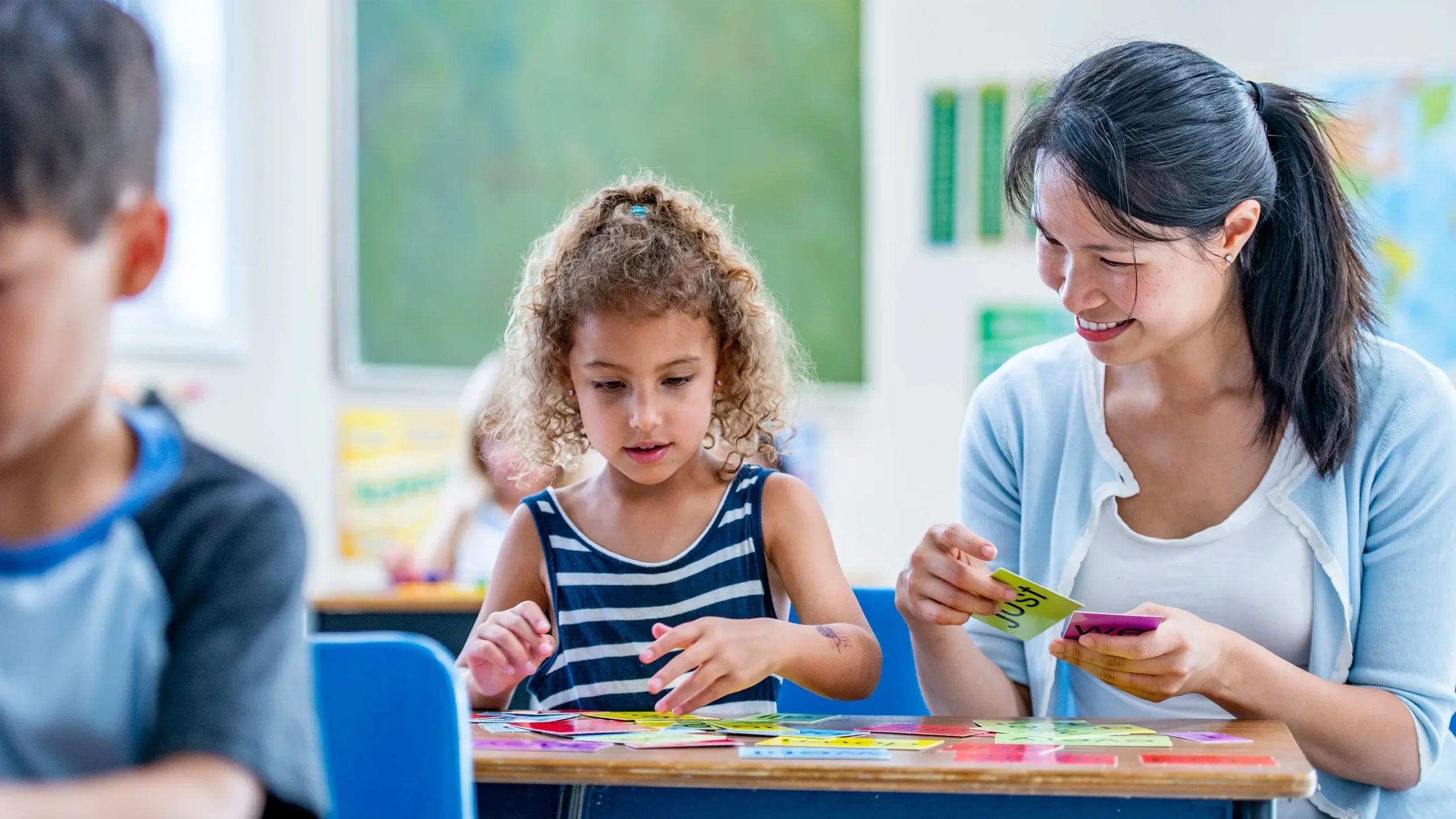
Peer-Mediated Intervention (PMI) is an evidence-based educational approach in which students are taught structured strategies to support peers who need additional academic, social, or behavioral assistance. Rather than relying solely on adult-led instruction, the method embeds learning opportunities within natural peer interactions.
The U.S. Department of Education describes peer-mediated strategies as a way to promote inclusion while increasing opportunities for meaningful social engagement. Peers may be taught to initiate conversations, model appropriate behavior, encourage participation, or reinforce skills already taught by educators.
Crucially, experts emphasize that peer-mediated approaches do not replace professional instruction. Instead, they extend learning beyond formal lessons into everyday moments such as group work, lunch periods, and recess.
“Children spend far more time with peers than with specialists,” said Dr. Erik Carter, professor of special education at Vanderbilt University, in published research. “Peer-mediated intervention recognizes that reality and uses it intentionally.”
Historical Roots and Evolution
Peer-based learning is not a new concept. Educational theorists have long emphasized the role of social interaction in cognitive development, dating back to the work of psychologist Lev Vygotsky in the early 20th century.
Modern Peer-Mediated Intervention emerged in the 1980s and 1990s alongside efforts to integrate students with disabilities into general education classrooms. Early studies focused primarily on autism spectrum disorder, examining whether trained peers could increase social interaction during play.
Over time, research expanded to include academic engagement, communication, and behavior regulation. Today, peer-mediated models are used across grade levels and disability categories, reflecting broader shifts toward inclusive education.
Why Schools Are Expanding Use
Several converging trends are driving renewed interest in Peer-Mediated Intervention.
Federal data show that special education enrollment in the United States has steadily increased over the past decade. At the same time, many districts report shortages of special education teachers, paraprofessionals, and related service providers.
“Schools are under pressure to do more with fewer specialized staff,” said Dr. Pamela Wolfberg, an autism researcher and education consultant, during a 2023 academic conference. “Peer-mediated approaches offer a way to expand support without isolating students or overwhelming teachers.”
The approach also aligns closely with federal law. The Individuals with Disabilities Education Act (IDEA) requires that students with disabilities be educated in the least restrictive environment whenever appropriate. Peer-mediated models are often cited as tools that support this mandate.
What the Research Shows
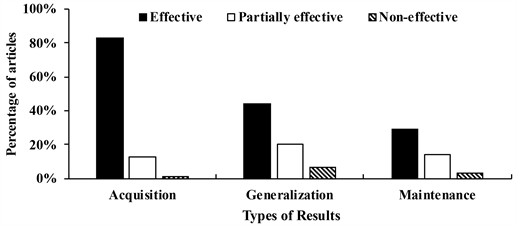
A substantial body of peer-reviewed research supports the effectiveness of Peer-Mediated Intervention, particularly for students with autism spectrum disorder.
Multiple studies have documented increases in social initiations, sustained interactions, and cooperative play when peer-mediated strategies are implemented consistently. A widely cited review in Topics in Early Childhood Special Education found that peer involvement led to more frequent and more natural social exchanges than adult-led instruction alone.
Researchers have also noted secondary benefits for peer helpers. Studies report gains in empathy, leadership, and social awareness among participating students, though experts caution that these outcomes depend on careful training and supervision.
How Peer-Mediated Intervention Works in Practice
Implementation typically begins with peer selection. Teachers identify students who demonstrate strong social skills, consistent attendance, and willingness to participate. Participation is voluntary, and parental consent is often required.
Selected peers receive brief, structured training. Instruction may include role-playing, modeling, and feedback on how to initiate interactions, respond appropriately, and encourage engagement without dominating the activity.
Once training is complete, peers interact with target students during natural classroom routines. Teachers observe and provide reinforcement, gradually reducing direct involvement as students gain confidence.
“Fidelity matters,” noted a 2024 report from the National Center on Inclusive Education. “Peer-mediated intervention is most effective when teachers actively monitor and support interactions.”
Applications Beyond Autism
While autism remains the most common application, Peer-Mediated Intervention has expanded into other areas of education.
Schools have adapted the model to support students with attention-deficit/hyperactivity disorder (ADHD), speech and language delays, and emotional or behavioral challenges. Some districts use peer-mediated strategies to support English language learners, pairing fluent speakers with classmates developing language proficiency.
Researchers caution that adaptations must be evidence-informed. “Peer mediation is not a one-size-fits-all solution,” said Dr. Lynn Kern Koegel, a clinical psychologist specializing in inclusive practices. “The strategies must match the student’s needs.”
Cost, Scalability, and Equity
One of the strongest arguments for Peer-Mediated Intervention is its cost profile. Unlike many specialized interventions, peer-mediated approaches require minimal materials and limited training time.
Education economists note that this makes PMI particularly attractive to underfunded districts. However, equity advocates warn that schools serving high-need populations may struggle to provide consistent training and oversight.
“There is a risk that peer-mediated strategies could be used as a substitute for adequate staffing,” said a policy brief from the American Association on Intellectual and Developmental Disabilities. “They must be implemented as part of a comprehensive support system.”
Ethical Considerations and Criticism
Despite its benefits, Peer-Mediated Intervention has drawn scrutiny from some disability advocates.
Critics argue that poorly designed programs may place undue responsibility on children or blur boundaries between support and caretaking. Others emphasize the importance of student choice and autonomy.
Best practice guidelines stress that peer helpers should never be responsible for managing safety, discipline, or instructional decisions. Adult supervision remains essential.
“Peer support should enhance dignity, not compromise it,” said one advocacy statement from the Autistic Self Advocacy Network.
Global Perspective and Future Research
Internationally, peer-mediated strategies are gaining attention in Canada, the United Kingdom, and parts of Europe, often framed within broader inclusion initiatives.
Researchers are now studying the long-term effects of Peer-Mediated Intervention, including whether social gains persist into adolescence and adulthood. Others are exploring its use in virtual and hybrid learning environments.
“There is growing interest in how peer-mediated approaches can adapt to changing classrooms,” Dr. Carter noted. “The next phase of research will focus on sustainability and equity.”
Looking Ahead
As schools continue to navigate staffing shortages and inclusion mandates, Peer-Mediated Intervention is likely to remain a prominent tool in special education practice.
Experts agree that its success depends on thoughtful implementation, adequate training, and ongoing evaluation. When used appropriately, peer-mediated strategies may help schools balance academic goals with social inclusion.
“The power of peer relationships is often underestimated,” Carter said. “Harnessed carefully, they can transform how students experience school.”
FAQs About Peer-Mediated Intervention
Is Peer-Mediated Intervention evidence-based?
Yes. Numerous peer-reviewed studies support its effectiveness when implemented with fidelity.
Does it replace special education services?
No. Experts stress that peer-mediated strategies supplement, not replace, professional instruction.
Is participation mandatory?
Best practice guidelines emphasize voluntary participation for all students.