

Social interaction is something most of us do every day, yet it remains one of the most misunderstood skills. From casual conversations to high-pressure situations, knowing what to say and how to act is not always obvious. This is where scripted stories for social situations quietly make a difference. They offer clear, relatable examples of how social interactions usually unfold, helping people feel prepared rather than anxious.

When used correctly, scripted stories for social situations feel less like instructions and more like friendly guidance. In recent years, scripted stories for social situations have moved beyond their traditional role in classrooms and therapy settings. Today, they are used by parents, professionals, educators, and individuals who simply want to communicate better. As modern life becomes faster and more socially complex, these stories provide structure without rigidity and confidence without pressure.
Scripted stories for social situations are short, structured narratives that describe common social interactions in a clear and practical way. They outline what typically happens in a situation, what people might think or feel, and how someone can respond appropriately. Unlike memorized scripts, they focus on understanding patterns rather than repeating exact words. This makes them flexible and easy to apply in real life. What makes scripted stories for social situations especially valuable is their ability to reduce uncertainty. When people understand expectations ahead of time, they are less likely to feel overwhelmed. These stories are now used in schools, workplaces, homes, and personal development settings, proving they are far more than just books on a shelf.
Table of Contents
Scripted Stories for Social Situations
| Category | Details |
|---|---|
| Purpose | Explain social expectations clearly |
| Common Users | Children, adults, educators, professionals |
| Formats | Written stories, digital guides, visual tools |
| Key Environments | School, workplace, home, public settings |
| Main Benefit | Increased confidence and reduced anxiety |
Scripted stories for social situations have grown into essential tools for understanding human interaction. They simplify complex social dynamics, reduce anxiety, and build lasting communication skills. Far from being limited to books, they now support learning across education, work, and everyday life. By offering clarity without pressure, scripted stories for social situations help people navigate the world with confidence. As social expectations continue to evolve, these stories remain a practical and human-centered way to learn, reflect, and connect more meaningfully with others.
Understanding The Concept of Scripted Stories
At their foundation, scripted stories are designed to bring clarity to situations that are often taken for granted. Social rules are rarely taught directly, yet they influence how people judge behavior. Scripted stories fill this gap by explaining the unspoken. A story may describe how to join a conversation, wait for a turn, or respond politely when plans change. Another important aspect is emotional awareness. Scripted stories do not only describe actions. They also explain feelings, both of the person reading the story and of others involved. This helps build empathy and understanding. Over time, readers begin to recognize emotional cues and respond more thoughtfully in real interactions.
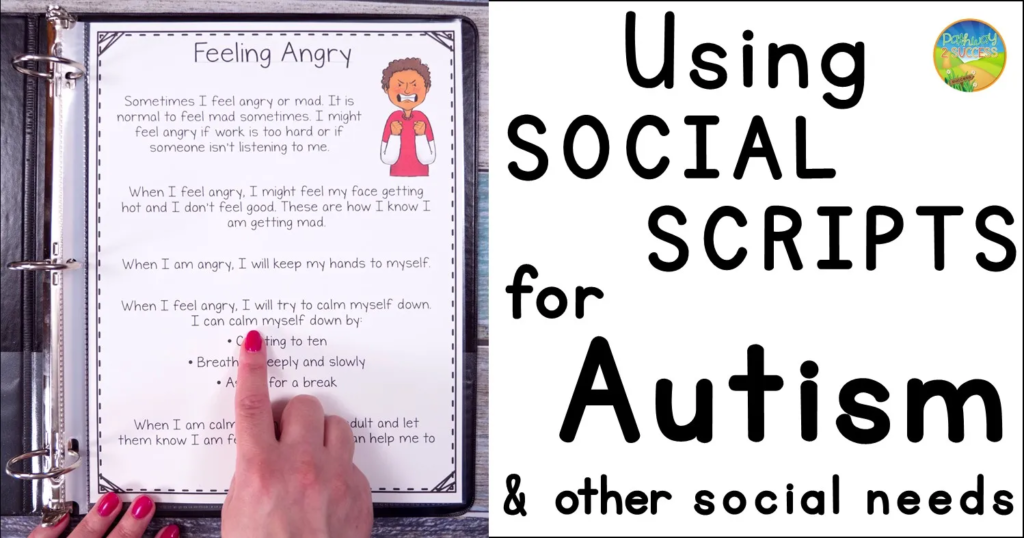
Why Scripted Stories Go Beyond Books
Although books were the starting point, scripted stories have evolved into many formats. Digital tools, printable worksheets, interactive apps, and workplace training materials now use the same storytelling structure. This shift has made scripted stories for social situations more accessible and adaptable to individual needs. They also go beyond books because they are used in real time. People read them before a social event, review them afterward, or use them during moments of reflection. Instead of being a one-time learning tool, scripted stories become part of an ongoing learning process that grows with experience.
Role In Education And Learning Environments
In education, scripted stories play a key role in social and emotional learning. Teachers use them to explain classroom routines, group expectations, and appropriate behavior. When students understand expectations in advance, they feel safer and more confident participating. Scripted stories for social situations are especially helpful during transitions, such as starting school, changing classrooms, or returning after a break. These stories reduce uncertainty and help students adjust more smoothly. Over time, they contribute to a positive learning environment where social behavior is understood rather than enforced.
Support For Social Confidence And Communication
- Confidence often comes from preparation. When people know what to expect, they are less likely to freeze or second-guess themselves. Scripted stories provide that preparation in a calm, non-threatening way. This makes them useful not only for children but also for adults navigating professional or social challenges.
- Communication improves naturally through exposure to these stories. They model respectful language, active listening, and appropriate responses. Scripted stories for social situations help readers understand when to speak, how to listen, and how to respond thoughtfully. These skills transfer into daily conversations without feeling rehearsed.
Practical Applications In Daily Life
The value of scripted stories becomes most clear in everyday situations. Parents use them to explain routines like bedtime, sharing, or visiting new places. Adults use them before interviews, meetings, or social gatherings where expectations feel unclear. Scripted stories for social situations are also helpful during emotionally charged moments. Stories that explain how to handle criticism, disappointment, or disagreement offer guidance without judgment. They encourage reflection rather than reaction, helping people respond in healthier ways.
Customization and Personal Relevance
- One of the strongest features of scripted stories is their adaptability. They can be customized to fit personal experiences, cultural norms, and individual communication styles. When a story feels personal, it becomes more meaningful and effective.
- Customization might include changing names, settings, or examples to reflect real-life situations. Scripted stories for social situations work best when readers see themselves in the narrative. This sense of relevance makes it easier to apply lessons in real interactions.
Long Term Impact of Scripted Stories
- Over time, the need for scripted stories decreases as understanding increases. The goal is not dependence, but independence. As readers internalize social patterns, they begin responding naturally without guidance.
- The long-term impact lies in skill development. Scripted stories for social situations teach observation, emotional awareness, and adaptability. These skills remain valuable throughout life, helping people navigate relationships, workplaces, and communities with greater ease.
Common Misconceptions About Scripted Stories
- A common misconception is that scripted stories make interactions feel robotic. In reality, they do the opposite. By reducing anxiety and uncertainty, they allow people to be more authentic. Understanding social expectations frees mental space for genuine connection.
- Another misconception is that they are only useful for children. Adults often benefit just as much, especially in unfamiliar or high-pressure situations. Scripted stories for social situations support learning at every age.
How Scripted Stories Fit into Modern Life
Modern communication is more complex than ever. Social expectations change quickly, especially with digital communication and diverse social environments. Scripted stories help people keep up by offering clear examples without overwhelming detail. In a fast-paced world, these stories provide a moment of pause. They encourage thoughtful responses rather than impulsive reactions. Scripted stories for social situations align well with modern needs for clarity, empathy, and effective communication.
FAQs on Scripted Stories for Social Situations
What Are Scripted Stories for Social Situations?
Scripted stories for social situations are short, structured narratives that explain how common social interactions usually happen.
Who Can Benefit from Scripted Stories for Social Situations?
Anyone can benefit from them. Children, teens, adults, parents, educators, and professionals all use scripted stories for social situations to improve communication, reduce anxiety, and better understand social expectations.
Do Scripted Stories Make Conversations Feel Forced Or Robotic?
No, they actually help conversations feel more natural. By reducing uncertainty and stress, scripted stories allow people to respond more authentically rather than overthinking what to say or do.
How Often Should Scripted Stories Be Used?
They can be used whenever a new, challenging, or unfamiliar situation arises. Over time, as confidence and understanding grow, people naturally rely on them less.