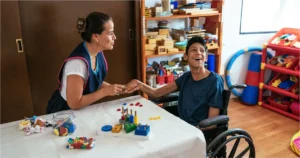

When we think about teaching toddlers important life skills, we often focus on the basics things like learning to say please and thank you. While these polite words are undoubtedly valuable, social-emotional skills for toddlers go far beyond that. It’s not just about manners; it’s about helping children understand and manage their emotions, develop empathy, and navigate social interactions in healthy, positive ways. Social-emotional development in toddlers is essential for building strong relationships, managing stress, and developing emotional intelligence as they grow. If you’re a parent or caregiver, fostering these skills early on will provide your toddler with the tools they need to communicate effectively and understand the emotions of others. The focus on social-emotional skills for toddlers is not just a passing trend but a critical part of their overall development. In this post, we’ll dive into these skills, explain why they’re essential, and share practical tips to help your toddler thrive in social situations.
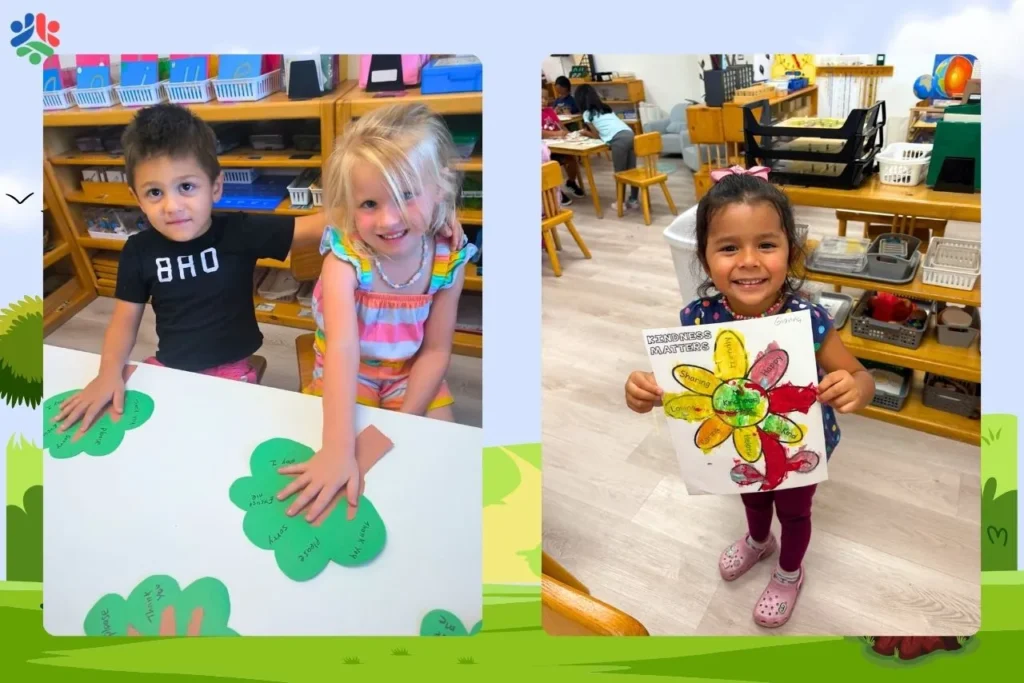
The ability to manage emotions, understand others’ feelings, and develop strong social connections starts at a very young age. While it’s common to teach toddlers the basics of politeness, such as saying “please” and “thank you,” there’s so much more that contributes to their social-emotional development. Toddlers need to learn how to express themselves clearly, show empathy, and control their impulses. These early emotional competencies will guide their future relationships and their ability to navigate life’s challenges. The good news is that parents and caregivers can take simple steps to help toddlers build their social-emotional skills. These include creating a nurturing environment, being consistent with emotional guidance, and modeling healthy emotional behaviors. In the next section, we’ll break down the key social-emotional skills toddlers need and explain how to encourage these skills as they grow. Understanding the essential social-emotional skills for toddlers is important for both parents and caregivers. These skills are not just about learning to behave politely, but about understanding the child’s emotional world and guiding them to interact with others in positive, respectful ways. Below is an overview of the primary skills toddlers need to develop and practical suggestions on how parents can encourage their growth.
Table of Contents
Social-Emotional Skills
| Social-Emotional Skill | Description | Importance | Practical Tips for Parents |
|---|---|---|---|
| Self-Regulation | The ability to control emotions and behaviors, especially in challenging situations. | Crucial for emotional stability, reducing tantrums, and adapting to new environments. | Encourage deep breathing, count to 10, or use calm-down corners when emotions run high. |
| Empathy | Recognizing and understanding the emotions of others and responding appropriately. | Promotes positive relationships, kindness, and emotional connection with others. | Model empathy by expressing your own feelings and showing concern for others’ emotions. |
| Impulse Control | The ability to resist immediate desires or urges and make thoughtful decisions. | Important for avoiding impulsive behaviors, learning patience, and making better decisions. | Play games that require waiting turns, like “Simon Says” or “Red Light, Green Light.” |
| Cooperation | The ability to work and play together with others. | Fosters positive social relationships, conflict resolution skills, and shared learning. | Praise your toddler for working together with others and guide them to share and take turns during playtime. |
| Emotional Expression | The ability to identify and express emotions accurately. | Vital for emotional clarity, helping toddlers articulate their feelings, and reducing frustration. | Encourage your toddler to talk about how they feel and use books or stories that explore different emotions. |
| Social Communication | The ability to express needs and ideas, while also being a good listener. | Strengthens communication skills and fosters mutual understanding in social interactions. | Engage in back-and-forth conversations, even if your child’s vocabulary is still developing. |
The importance of social-emotional skills for toddlers cannot be overstated. Beyond simply learning to say please and thank you, toddlers must learn how to recognize and manage their emotions, connect with others, and develop social intelligence. These foundational skills will help them navigate their world more effectively and build positive, lasting relationships throughout their lives. By being intentional about fostering these abilities, parents and caregivers can provide a solid emotional foundation for their toddlers that will benefit them for years to come. Developing these skills early on creates an emotional framework that toddlers can rely on for navigating difficult situations. Through consistent modeling, supportive environments, and engaging activities, parents and caregivers can equip their toddlers with the tools they need to succeed in social situations and build a lifetime of healthy emotional responses. By supporting these social-emotional milestones, you’re giving your child a lasting gift that will help them thrive both now and, in the years, ahead.
How Social-Emotional Skills Impact Toddlers’ Development
- Focusing on social-emotional skills for toddlers goes beyond just teaching polite phrases. When toddlers are equipped with these abilities, they are better prepared to handle the emotional ups and downs that come with growing up. From the toddler years to adolescence, these skills play a major role in how children relate to others and manage their own emotional states. Positive social-emotional skills help reduce aggressive behaviors, enhance social interactions, and improve a child’s overall mental health.
- Moreover, toddlers with well-developed social-emotional skills are often more successful in school settings, as they can better navigate group activities, manage conflicts, and express their needs. As a result, teaching these skills early on sets children up for long-term success in all areas of life.
Key Social-Emotional Milestones for Toddlers
As toddlers grow, there are several key milestones to look for in their social-emotional development. These milestones help parents understand how their child is progressing and provide insight into the next steps in emotional and social growth.
1. Understanding Basic Emotions
By age two, toddlers begin to recognize and name basic emotions like happiness, sadness, and anger. This is a critical foundation for later emotional regulation. As they understand their feelings, they begin to express themselves more clearly, which reduces frustration and miscommunication.
2. Empathy and Understanding Others
Around age three, toddlers start to demonstrate empathy. They might comfort a friend who is upset or offer a toy to someone in need. By showing understanding and compassion toward others, they begin to develop essential social bonds and relationships that are built on mutual care and respect.
3. Cooperative Play
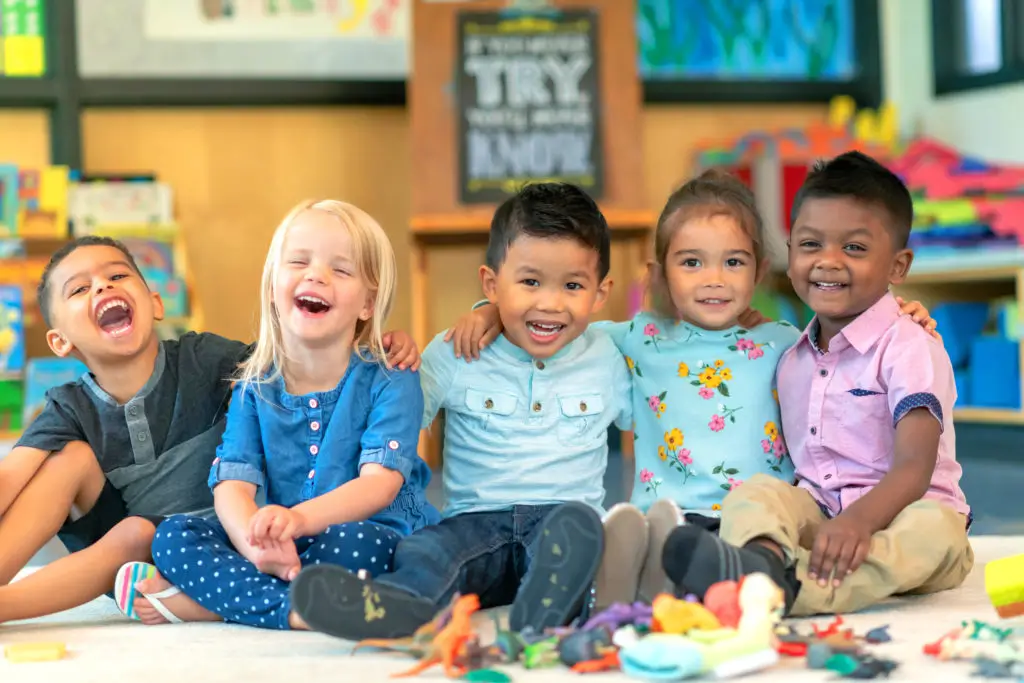
Between ages three and four, toddlers begin to engage in cooperative play. They’re no longer just playing alongside other children but are starting to work together to build things, share, and even solve problems together. This stage is crucial for developing teamwork skills and learning how to share resources and negotiate.
4. Impulse Control and Patience
Around age four, toddlers start to gain more control over their impulses and can handle situations that require waiting. They may learn to take turns during playtime or wait for their food. This marks a significant shift toward emotional self-regulation, a skill that will serve them throughout their life.
How Parents Can Support Social-Emotional Development
Supporting your toddler’s social-emotional skills can seem daunting, but with the right tools, it becomes much easier. The first step is creating an environment where your toddler feels safe and supported. This allows them to explore their emotions and practice social skills without fear of judgment or reprimand.
1. Model Healthy Emotions
Children learn by observing their caregivers. If you want your toddler to express emotions appropriately, you need to model these behaviors yourself. Use clear language to describe how you feel and what you are doing to cope with different emotions. For example, saying, “I’m feeling frustrated, but I’m going to take a deep breath to calm down” gives your child an example of how to handle strong emotions.
2. Provide Opportunities for Socialization
Socializing with other children is essential for practicing social-emotional skills. Arrange playdates or attend groups where your toddler can interact with peers. These experiences will allow your child to practice sharing, taking turns, and expressing themselves in social contexts.
3. Encourage Emotional Expression
Allow your toddler to express their emotions freely, without suppressing or invalidating them. If they’re upset, acknowledge their feelings by saying, “I see you’re angry. It’s okay to feel that way, but let’s use our words.” Teaching them to recognize and label their emotions is key to helping them manage those feelings effectively.
4. Use Books and Stories
Books are a wonderful tool for teaching social-emotional skills. Stories that explore feelings, friendships, and cooperation can help toddlers understand these concepts in a fun and relatable way. Reading books together also provides opportunities to discuss emotions and problem-solving strategies in a safe and familiar context.
FAQs on Social-Emotional Skills
1. Is it normal for toddlers to have tantrums?
Yes, tantrums are a normal part of toddler development as they learn to express emotions and manage frustrations. Tantrums are often a sign that a child is overwhelmed and doesn’t yet have the skills to express themselves verbally.
2. How can I help my toddler develop empathy?
You can model empathy by showing concern for others’ feelings and encouraging your toddler to do the same. Books and role-playing games that involve helping or comforting others are also great tools to nurture empathy.
3. At what age do toddlers start to share?
By age three, many toddlers start to understand the concept of sharing, although they may not always be willing to share. Encouraging turn-taking and praising cooperative behavior can help foster sharing.
4. What are some activities to improve a toddler’s emotional regulation?
Simple activities like deep breathing, counting to 10, or using a “calm-down corner” can help toddlers manage their emotions. It’s also helpful to talk about emotions and provide strategies for dealing with frustration or anger.