Understanding Implicit Bias in Special Education
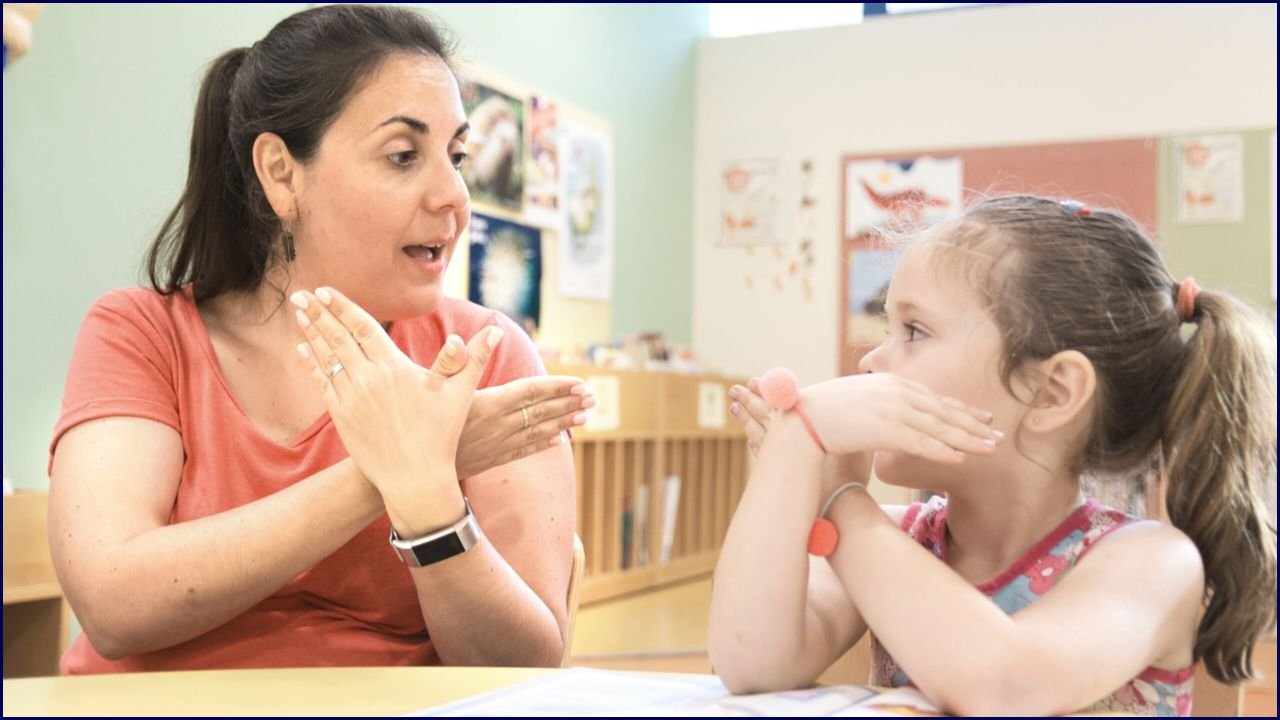
Special education in the United States was designed to ensure equal access to education for students with disabilities.

Special education in the United States was designed to ensure equal access to education for students with disabilities.

When people talk about internal vs. external coaches, they are really comparing proximity and perspective. Internal coaches are employees of the organization who are trained to coach others. External coaches are independent professionals brought in from outside the company.
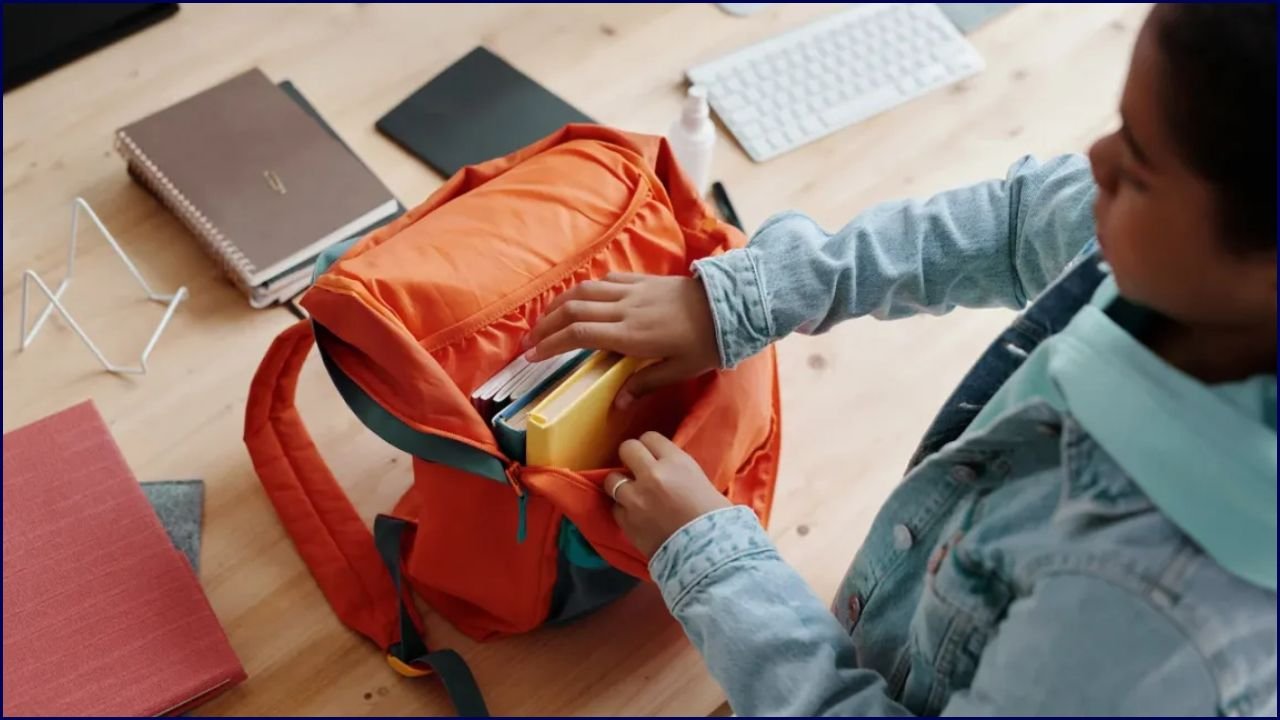
The Backpack Connection Series helps bridge home and school by providing families with practical, research-based guidance that aligns with classroom instruction, supporting young children’s social, emotional, and behavioral development through consistent learning experiences across environments.

Sensory toys have become an essential tool for people, especially those with sensory processing needs, to self-regulate. These toys are designed to provide calming or stimulating sensory input, whether tactile, auditory, or visual, to help manage emotions, stress, and focus. In 2025, sensory toys have evolved significantly, offering innovative designs that cater to a wide … Read more
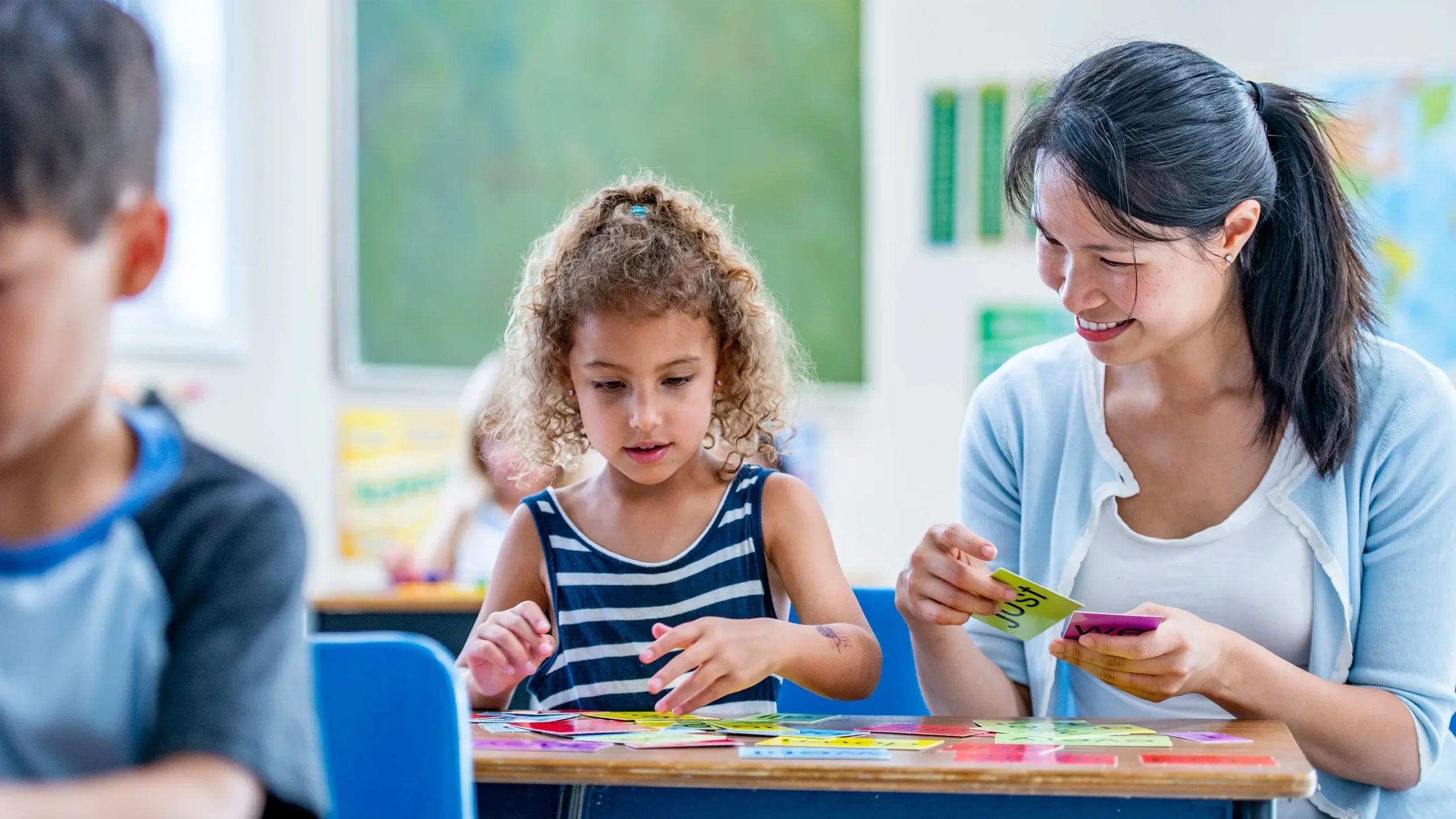
When educators explore Montessori vs. Pyramid Model Can They Coexist?, they are really asking how independence and emotional support can work together. Montessori classrooms give children freedom to choose their work, move at their own pace, and develop autonomy.
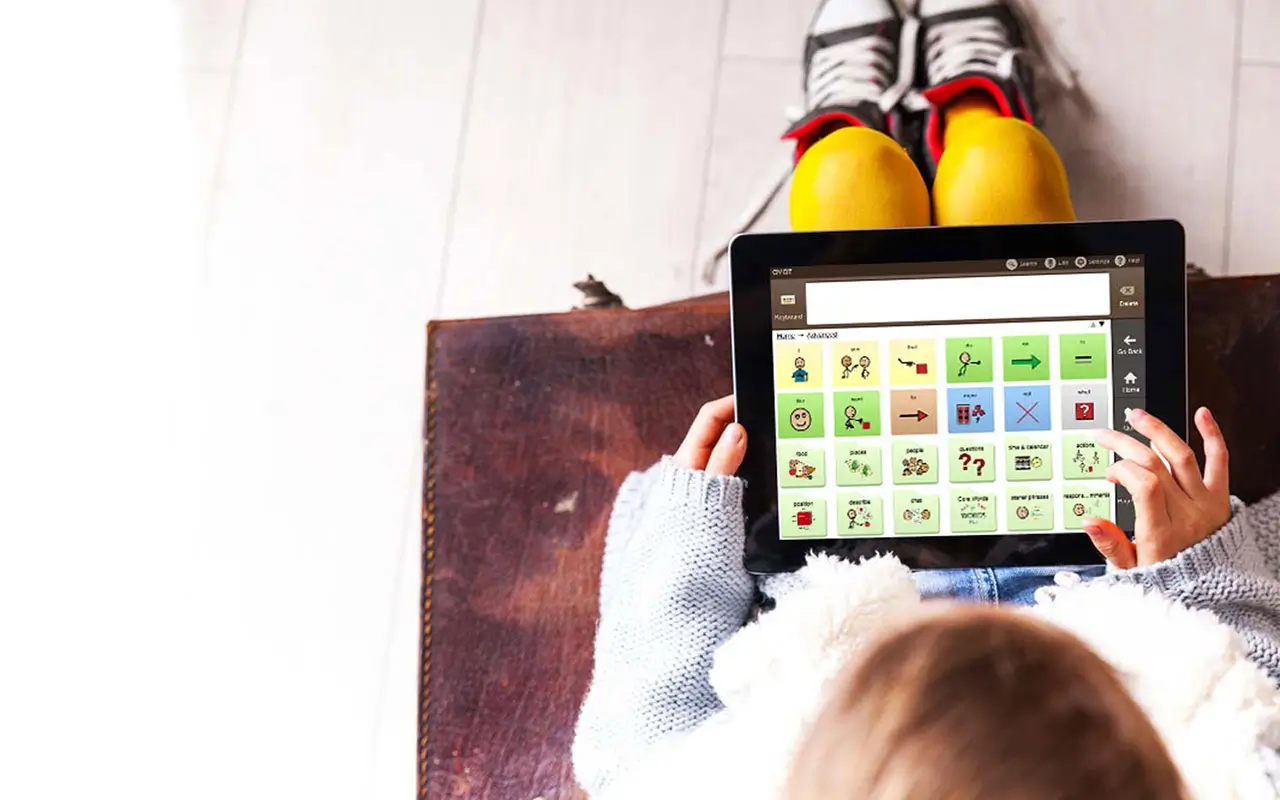
AAC apps for toddlers are built with one clear goal in mind: helping young children communicate in a way that feels easy and natural. Toddlers don’t need complex language systems or crowded screens.
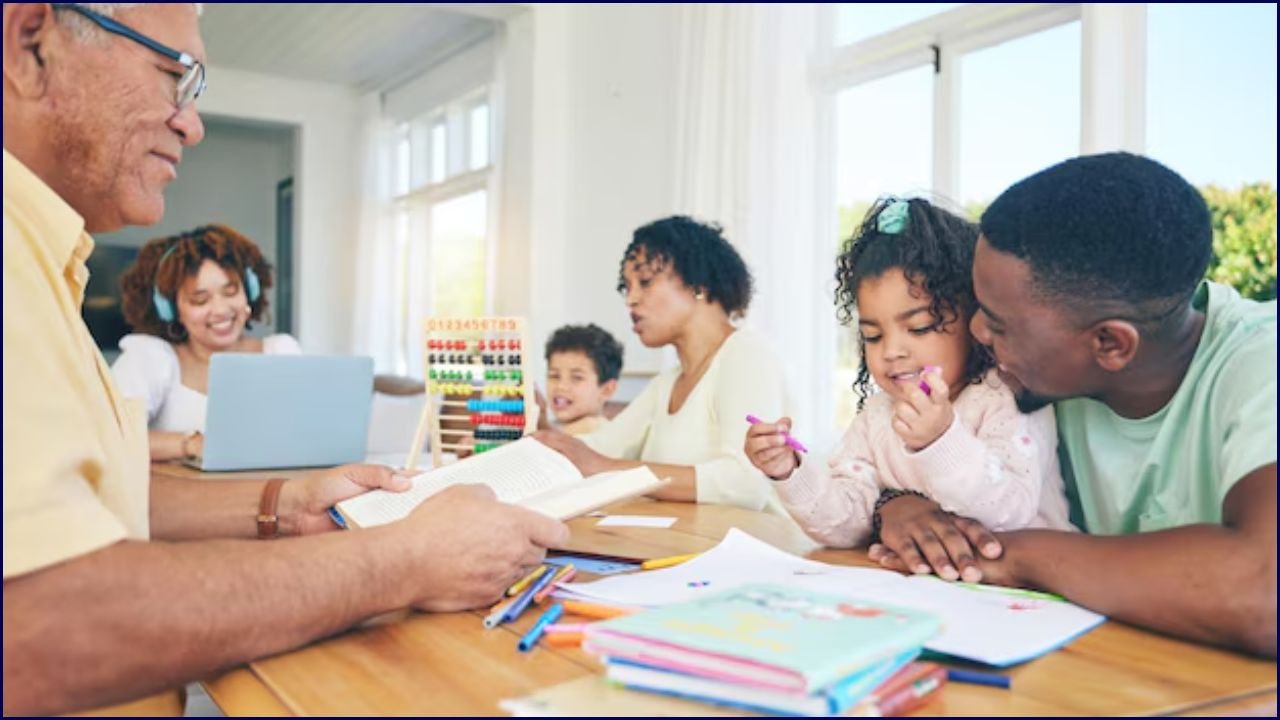
Pyramid Model vs. PBIS explains how two evidence-based behavioral frameworks differ in scope, age focus, and implementation, while sharing the goal of creating supportive, positive learning environments across U.S. education.
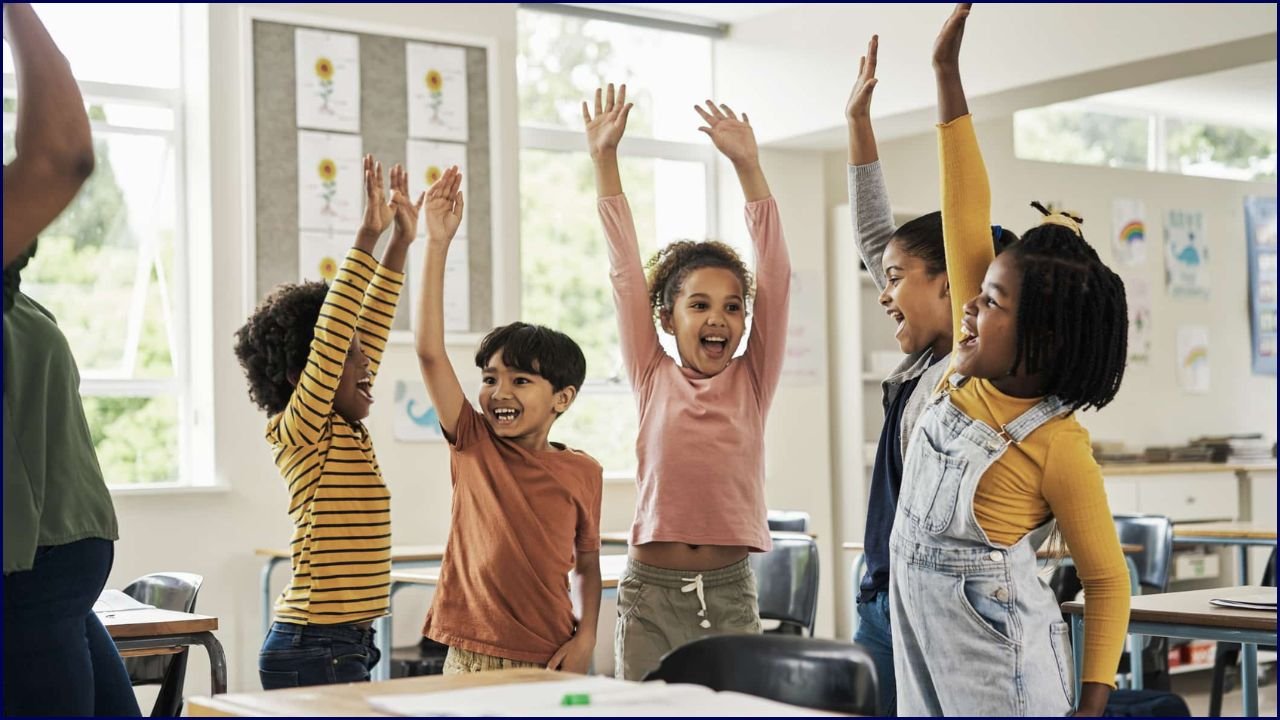
Peer-Mediated Intervention is gaining traction in U.S. schools as a research-backed approach to inclusive education, training students to support classmates with developmental and learning differences through structured, everyday peer interactions.
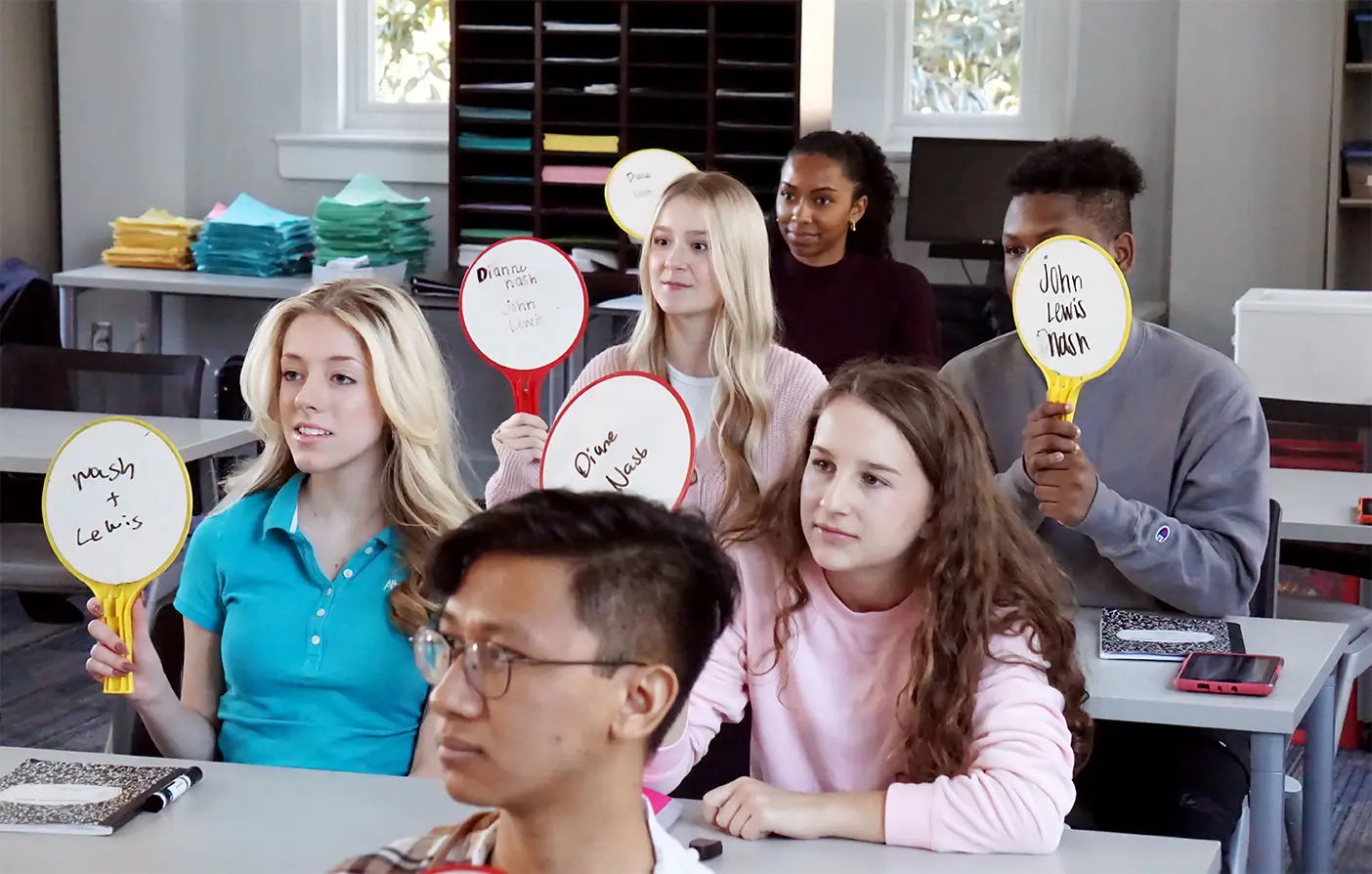
Opportunities To Respond refers to the number of times a teacher prompts students to actively answer or demonstrate understanding during instruction. These responses can take many forms, including speaking, writing, signaling, or moving.
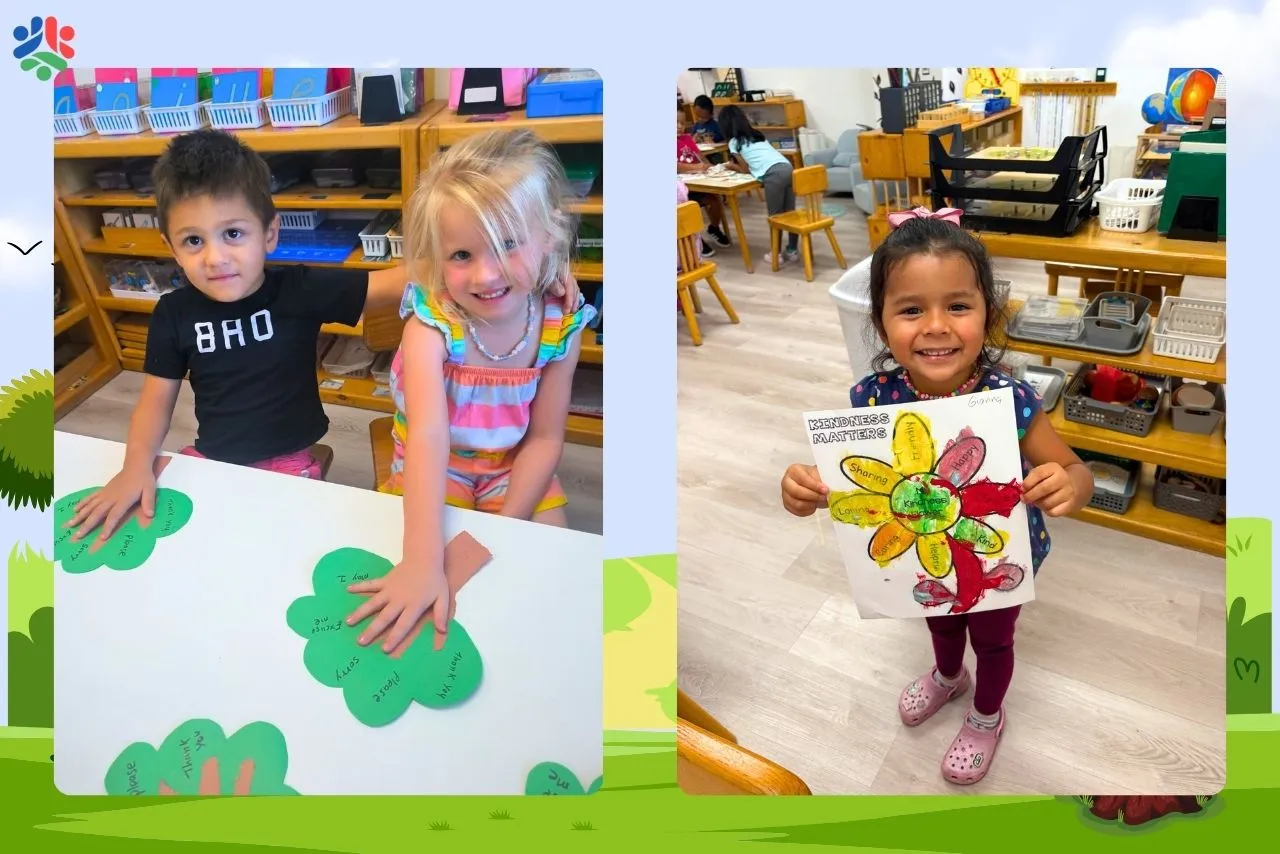
When we think about teaching toddlers important life skills, we often focus on the basics things like learning to say please and thank you. While these polite words are undoubtedly valuable, social-emotional skills for toddlers go far beyond that. It’s not just about manners; it’s about helping children understand and manage their emotions, develop empathy, … Read more