Understanding Implicit Bias in Special Education
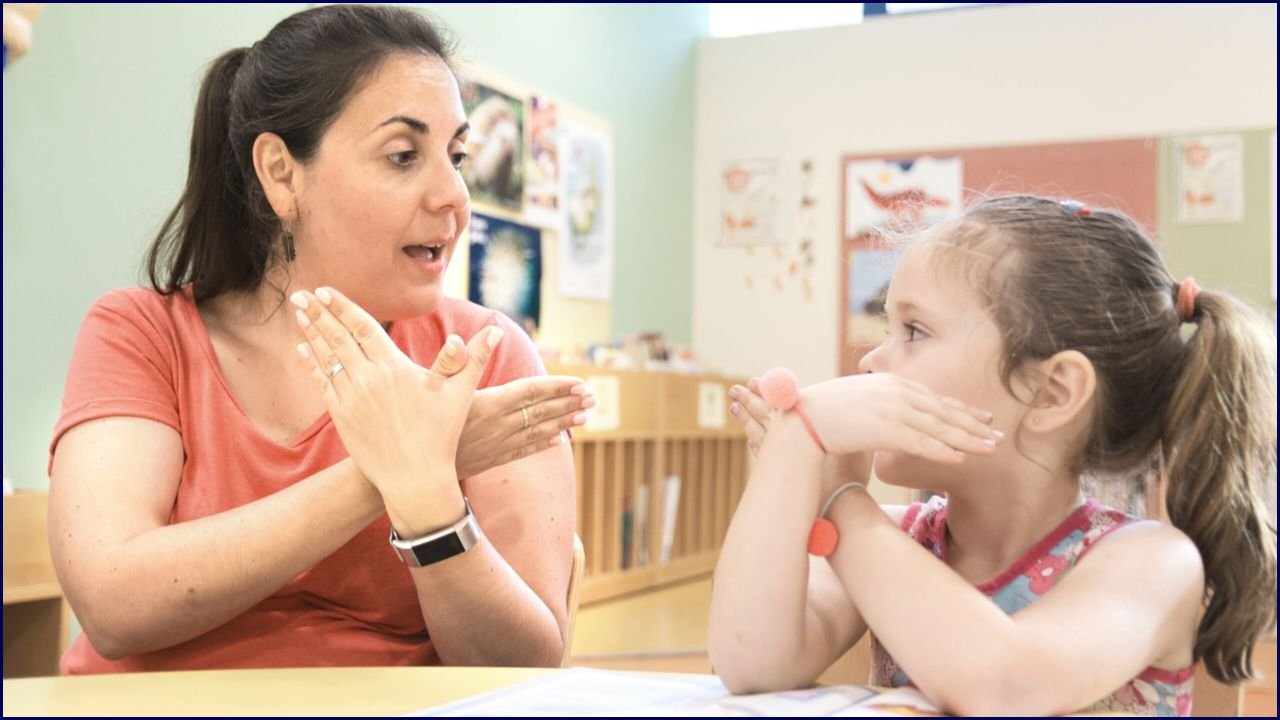
Special education in the United States was designed to ensure equal access to education for students with disabilities.

Special education in the United States was designed to ensure equal access to education for students with disabilities.
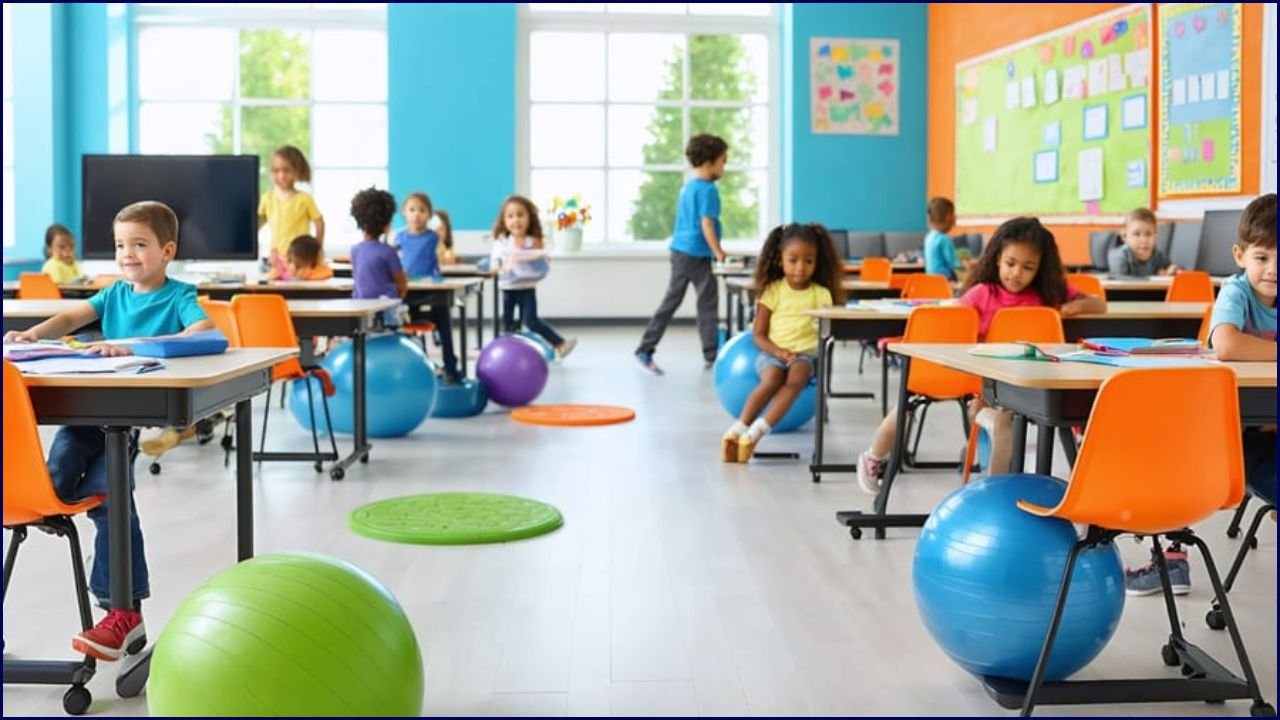
Schools are increasingly adopting a Yes environment in the classroom, reducing unnecessary prohibitions through intentional design and positive guidance. Research suggests the approach improves behavior, supports equity, and reduces teacher stress when paired with consistent expectations.
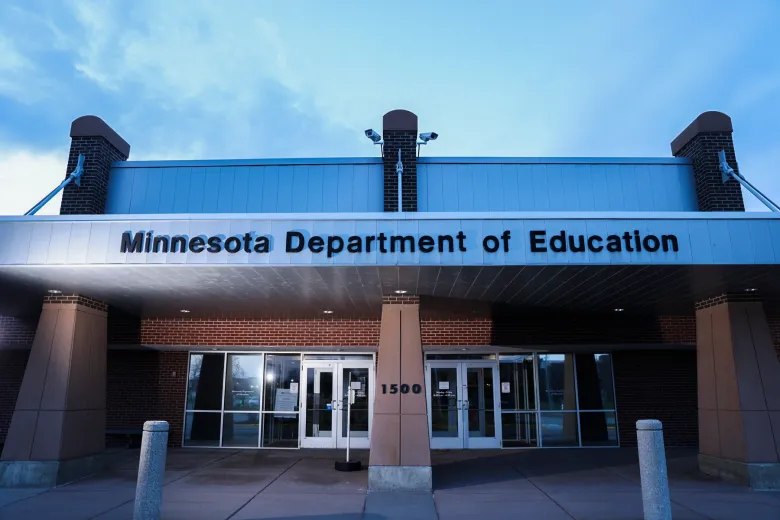
Minnesota’s approach to special education has evolved significantly over the years, embracing the importance of localized support and resources. One key element of this shift is the use of Minnesota’s 11 Economic Development Regions (EDRs) to enhance the delivery of services for students with disabilities. This regional framework helps ensure that special education services are … Read more
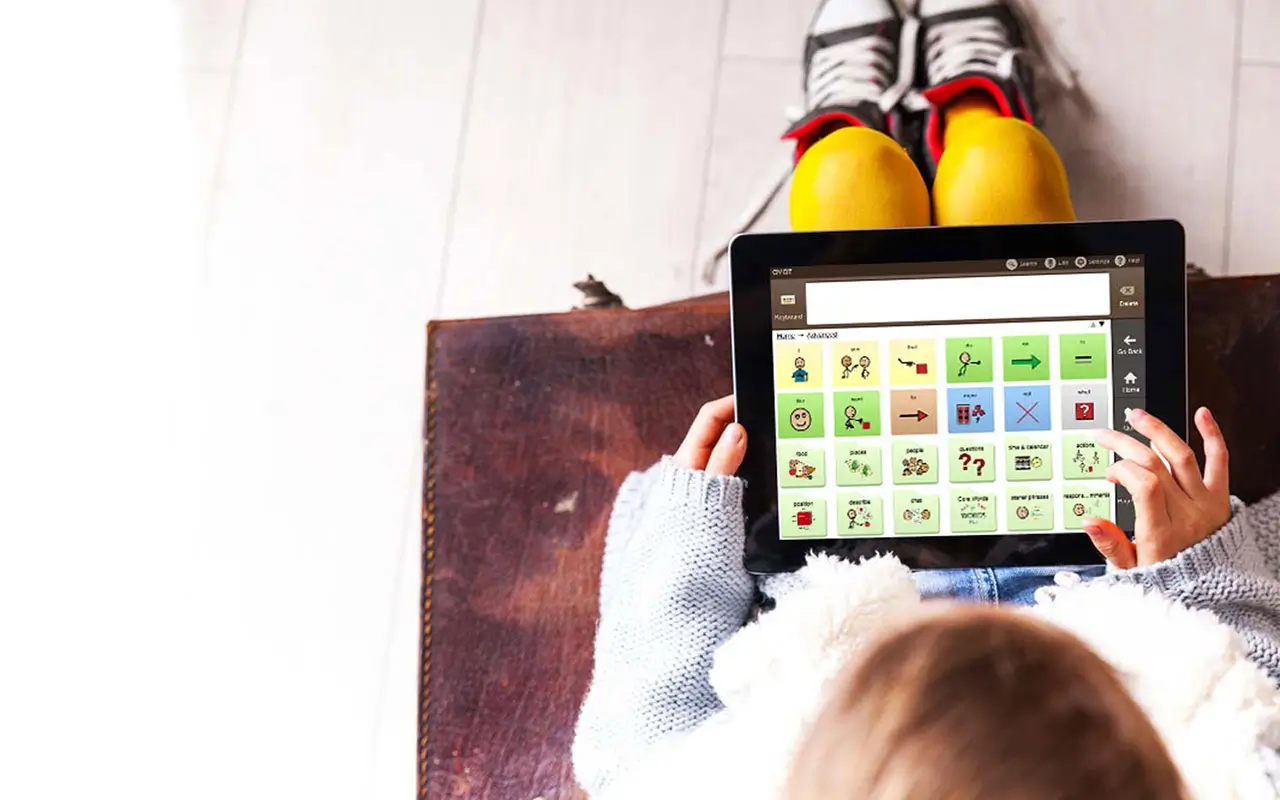
AAC apps for toddlers are built with one clear goal in mind: helping young children communicate in a way that feels easy and natural. Toddlers don’t need complex language systems or crowded screens.
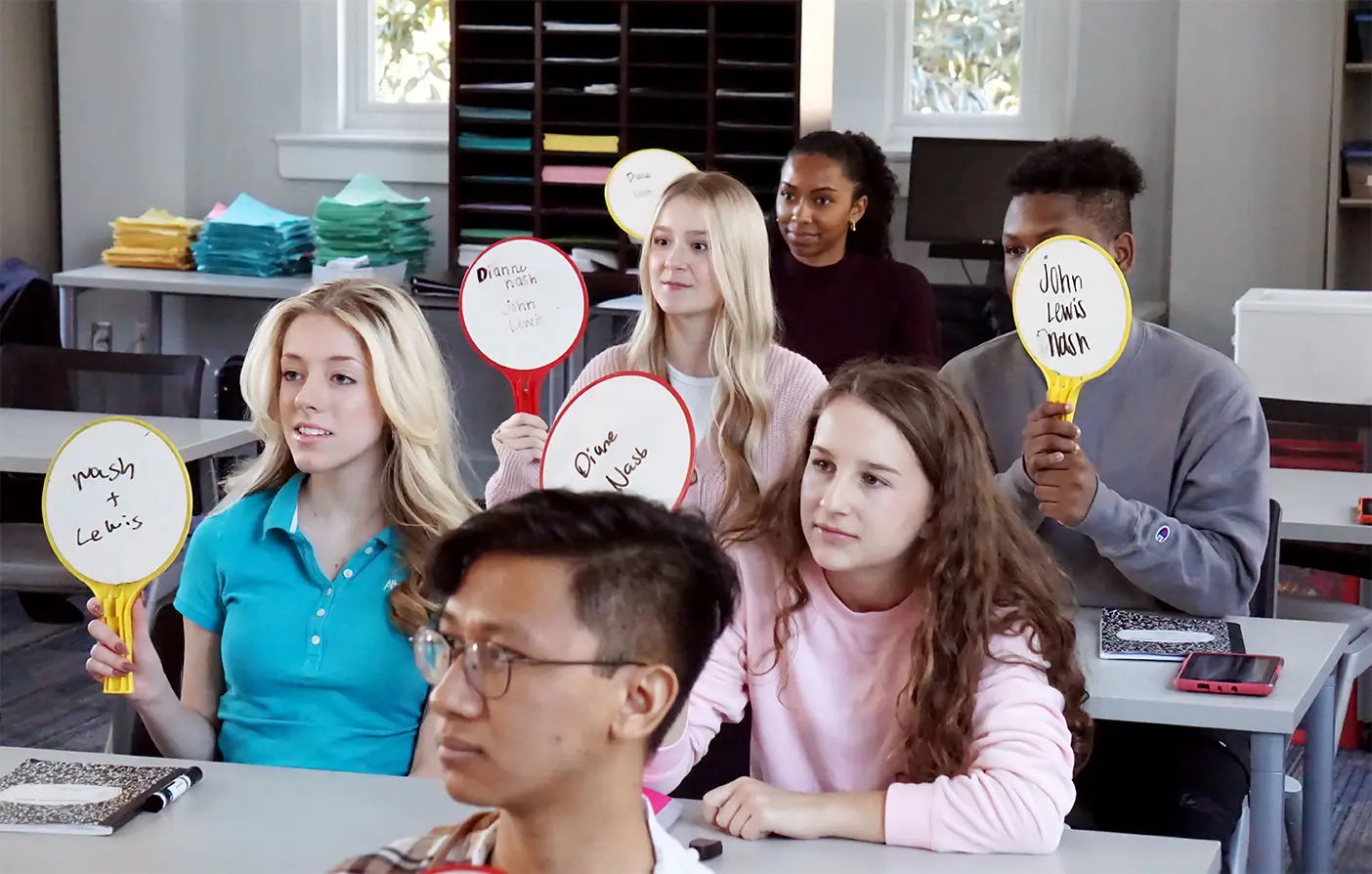
Opportunities To Respond refers to the number of times a teacher prompts students to actively answer or demonstrate understanding during instruction. These responses can take many forms, including speaking, writing, signaling, or moving.

Defining Natural Environments under IDEA Part C means identifying everyday places and situations where infants and toddlers without disabilities typically spend their time. These environments are familiar, comfortable, and part of a child’s normal routine.
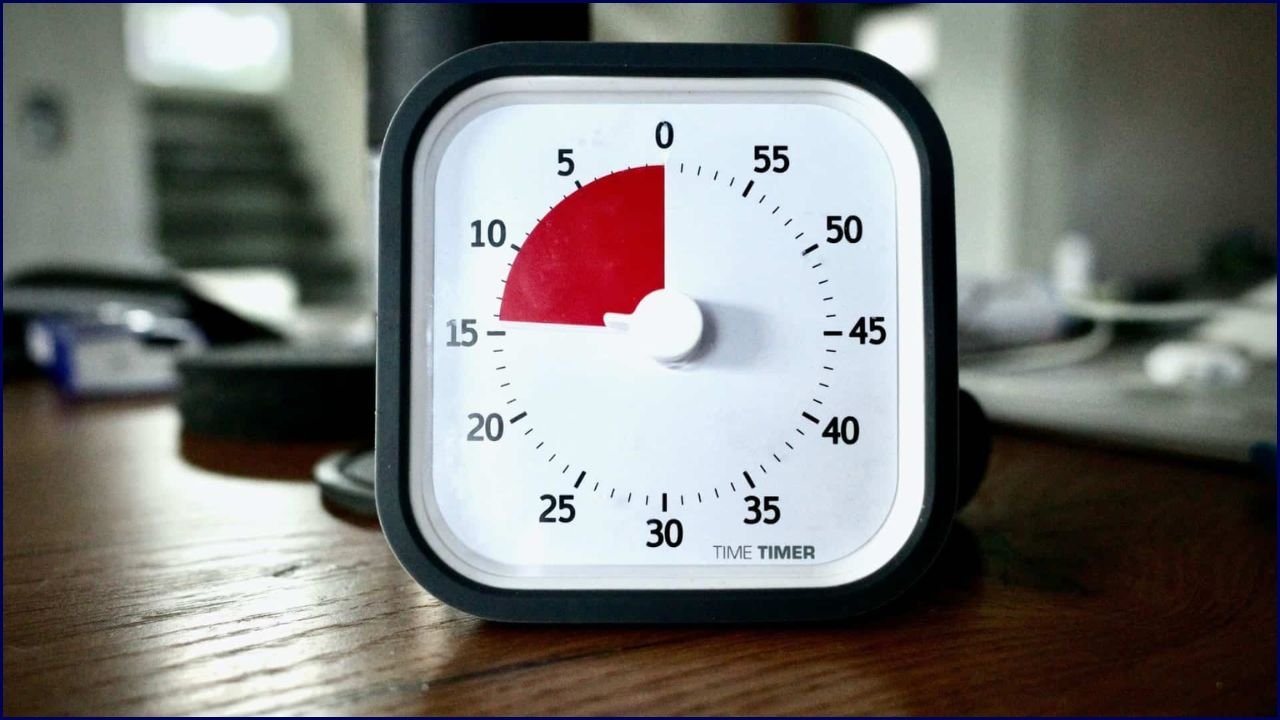
Visual timer clocks are increasingly used in classrooms and homes to manage routines and reduce behavioral conflict. Educators and clinicians say the devices help children understand time, improve focus, and ease transitions, particularly for students with ADHD and developing executive-function skills.