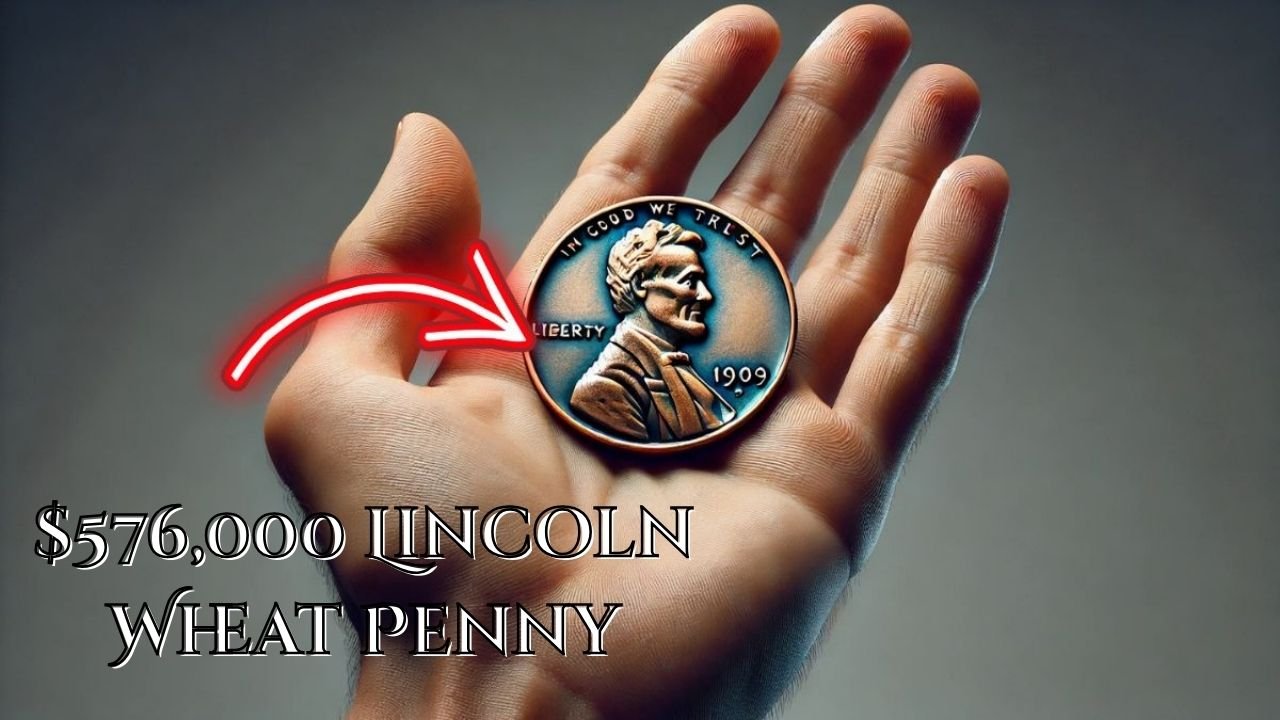

The world of coin collecting is filled with mystery, wonder, and the thrill of discovery. There are some stories that make ordinary things extraordinary, and the story of a rare Lincoln Wheat Penny that sold for $586,000 is one of them. A coin once worth just one cent has reached nearly $600,000 due to its rarity, excellent condition, and unusual mint defects. This event has sparked renewed curiosity among seasoned collectors as well as the general public. Many people are now carefully examining the coins in their wallets and old piggy banks, hoping they might also have a priceless treasure hidden within them.

Table of Contents
History and Attraction of the Lincoln Wheat Penny
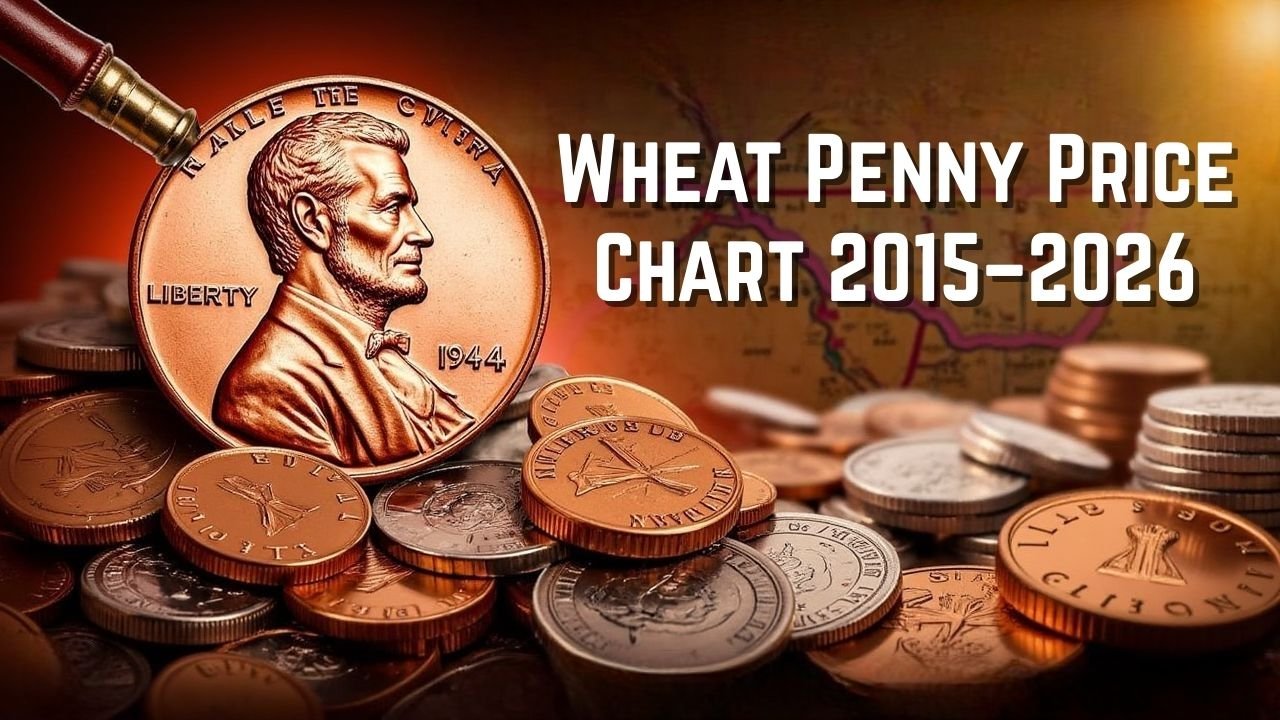
This coin was issued in 1909 to commemorate the 100th anniversary of Abraham Lincoln’s birth. It was the first coin in American history to feature a real-life person. Lincoln’s portrait on the obverse and two ears of wheat on the reverse give this coin its distinctive identity. It was produced until 1958, after which the design was changed. Its relatively short production run and historical significance have made it extremely popular among collectors.
The Lincoln Wheat Penny’s allure lies not only in its age, but also in its various rare varieties. Coins struck in certain years have been found to have minting errors or metal abnormalities, making them extremely valuable today. This is why, even in 2026, this coin remains a prominent figure in the discussion of American collectible coins.
Most Valuable Wheat Penny Varieties
Over time, certain Lincoln Wheat Penny varieties have consistently fetched high prices at auctions. For example, the 1909-S VDB version, which features the mint mark “S” and the designer’s initials, was minted in extremely small numbers. The 1914-D version is also considered rare due to its low production. The 1943 Bronze Penny was struck due to a metallurgical error during World War II, when most coins were minted from steel. Similarly, the 1955 Doubled Die Penny is famous for its double-printed lettering.
All these examples illustrate that even a small technical error at the mint can make a coin worth millions of dollars decades later. Collectors view such coins not only as investments but also cherish them as living pieces of history.

How the One-Cent Coin Reached $586,000
That particular Wheat Penny, which sold for $586,000, possessed several rare qualities. First, its condition was nearly perfect—what collectors call “mint state.” The coin’s luster, sharp edges, and clarity of design made it exceptional. Furthermore, it had a significant minting error, and the number of such coins surviving is extremely low. When rarity, excellent preservation, and intense collector demand combine, prices can skyrocket quickly. This was the primary reason behind that record sale.
What Factors Determine the Value of the Wheat Penny
The value of any old coin isn’t determined solely by its age. In the case of the Wheat Penny, several unique factors play a decisive role. First, historical and production-related rarity. Metal shortages in coins minted during wartime or transitional periods led to various experiments, resulting in unique versions.
Another important factor is minting errors—such as double printing, off-center printing, die cracks, or missing mint marks. These errors make a coin unique. Third, and perhaps most important, is the coin’s condition and grading. Professional organizations like the Professional Coin Grading Service grade coins on a scale of 1 to 70. High-grade, unworn coins command prices many times higher than those of commonly circulated coins.
Beginner Collector’s Identification Guide for 2026
For those just entering the world of coin collecting, a few simple steps can be extremely helpful. First, carefully examine the coin’s year and mint mark (S, D, or unmarked). Then, check for any double printing in the letters and numbers. The clarity of Lincoln’s portrait and the details of the wheat ears on the reverse also provide important clues.
Weighing the coin can also be helpful, especially in identifying 1943 bronze error coins. Smartphone magnification apps are now available to help spot subtle errors.It’s easier than ever to find a coin that seems unusual, it’s wise to send it in for professional evaluation.
The Human Thrill of Treasure Hunting
Coin collecting is not just an investment tool, but also a cultural and emotional experience. Many high-value Wheat Pennies have been discovered in ordinary places—like old boxes, bankrolls, or family piggy banks. The idea that a forgotten coin could be worth thousands or even millions of dollars motivates people to continue searching. This discovery is a unique blend of connecting with history and testing their luck.
Conclusion
The Lincoln Wheat Penny that sold for $586,000 proves that extraordinary value sometimes lies right before our eyes. While most Wheat Pennies are common and low-priced, rare errors, limited availability, and coins in excellent condition have transformed this ordinary one-cent coin into a competitive investment asset in 2026. For collectors, this coin symbolizes history, hope, and the endless possibility of discovery—and perhaps that is its greatest beauty.
FAQs
1. What is a Lincoln Wheat Penny?
A Lincoln Wheat Penny is a U.S. one-cent coin minted from 1909 to 1958, featuring Abraham Lincoln on the front and wheat stalks on the back.
2. Why can some Wheat Pennies be extremely valuable?
Certain coins are rare due to low mintage, minting errors, or unusual metal compositions, which make them highly desirable to collectors.
3. What was special about the $586,000 Wheat Penny?
It combined exceptional condition, a significant mint error, and extreme rarity, driving intense demand at auction.
4. How can I tell if my Wheat Penny is valuable?
Check the year, mint mark, condition, and look for errors like doubling or missing marks, then consider professional grading.
5. Where should I get a rare coin authenticated?
Professional grading services such as PCGS or NGC can verify authenticity and assign an official grade.