
Strong systems don’t happen by accident. They are built intentionally, refined over time, and guided by clear standards. For leadership teams working at the state, district, or organizational level, the challenge is not just deciding what to implement, but how well it is being implemented. This is where The Benchmarks of Quality becomes essential. The Benchmarks of Quality provide leadership teams with a structured way to step back, look honestly at their systems, and evaluate whether the foundations for high-quality implementation are truly in place. When leadership teams use The Benchmarks of Quality consistently, they gain more than scores on a form. They gain clarity. Conversations become more focused, priorities become more visible, and improvement efforts become intentional rather than reactive. Instead of guessing what to fix next, teams can rely on shared data and agreed-upon benchmarks to guide their decisions.

The Benchmarks of Quality is designed as a self-assessment tool for leadership teams responsible for guiding large-scale implementation efforts. It focuses on systems, structures, and processes rather than individual performance. By examining these elements, leadership teams can identify strengths, uncover gaps, and create action plans that lead to sustainable improvement. This tool is meant to be completed collaboratively. Team members discuss each item, come to consensus, and use the results to guide planning. The real value of The Benchmarks of Quality lies not only in the final score, but in the conversations that happen along the way. These discussions help align expectations, surface assumptions, and build shared ownership for the work ahead.
Table of Contents
The Benchmarks of Quality
| Area | Focus | Purpose |
|---|---|---|
| SLT Membership And Logistics | Team structure and function | Ensures effective leadership and coordination |
| Action Planning | Strategic improvement | Turns assessment results into clear next steps |
| Sustainability And Scale-Up Planning | Long-term success | Supports continuation and expansion of efforts |
| Professional Development Network | Capacity building | Ensures access to training and coaching |
| Implementation Programs | System-wide reach | Tracks adoption across programs and settings |
| Data And Evaluation | Continuous improvement | Uses data to guide decisions and adjustments |
The Benchmarks of Quality offers leadership teams a practical, structured roadmap for building and sustaining effective systems. By focusing on team structure, planning, professional development, data, and long-term sustainability, it supports intentional leadership and continuous improvement. When used thoughtfully, The Benchmarks of Quality becomes more than an assessment. It becomes a shared framework that guides decisions, strengthens collaboration, and drives lasting impact.
SLT Membership and Logistics
A strong leadership team is the backbone of effective implementation. The Benchmarks of Quality places early emphasis on the structure and functioning of the State Leadership Team (SLT). This includes who is on the team, how members are selected, and whether roles and responsibilities are clearly defined. Effective SLTs include diverse representation. Members bring different perspectives, expertise, and authority to the table. This diversity ensures that decisions are informed by real-world contexts and that implementation efforts reflect the needs of all stakeholders. Clear meeting schedules, agendas, and decision-making processes also play a critical role. When logistics are handled well, meetings become productive working sessions rather than status updates. Strong logistics also support continuity. Clear documentation, shared communication systems, and consistent participation help maintain momentum even when membership changes over time.
Action Planning
- Assessment without action leads nowhere. One of the most valuable aspects of The Benchmarks of Quality is its strong connection to action planning. After completing the assessment, leadership teams use the results to identify priority areas and develop specific, measurable goals.
- Effective action plans are realistic and focused. Rather than trying to address every gap at once, teams select a manageable number of priorities. Responsibilities are assigned, timelines are established, and progress is monitored regularly. This approach helps teams move from reflection to execution.
- Revisiting the action plan is just as important as creating it. Regular reviews allow teams to celebrate progress, adjust strategies, and respond to new data or changing conditions.
Sustainability And Scale-Up Planning
- Short-term success does not guarantee long-term impact. The Benchmarks of Quality encourages leadership teams to think beyond initial implementation and plan for sustainability and growth. This includes embedding practices into policies, procedures, and funding structures.
- Sustainability planning also involves anticipating challenges. Staff turnover, shifting priorities, and resource limitations are common obstacles. By addressing these proactively, leadership teams can reduce disruptions and maintain quality over time.
- Scale-up planning focuses on expanding successful practices to new sites or programs. Clear criteria, readiness assessments, and support structures help ensure that expansion does not compromise quality.
Professional Development Network
High-quality implementation depends on ongoing learning and support. The Benchmarks of Quality examines whether leadership teams have established professional development networks that provide training, coaching, and technical assistance. These networks help build internal capacity. Instead of relying solely on external experts, organizations develop their own trainers and coaches who understand the local context. This approach increases consistency and sustainability. Effective professional development is not one-size-fits-all. It includes initial training, follow-up coaching, and opportunities for reflection. When professional development is aligned with implementation goals, it strengthens practice and improves outcomes.
Implementation Programs And Community-Wide Support
Leadership teams often oversee implementation across multiple programs or settings. The Benchmarks of Quality encourages teams to look at the system as a whole rather than focusing on isolated sites. This system-wide perspective helps teams understand reach and equity. Are practices being implemented consistently? Are all communities benefiting equally? Addressing these questions supports more inclusive and effective implementation. Community partnerships also play a role. Collaboration with agencies, organizations, and families strengthens alignment and increases the likelihood of long-term success.
Data And Evaluation
- Data is the engine that drives improvement. The Benchmarks of Quality emphasizes the routine use of data to guide decision-making. This includes collecting, reviewing, and acting on data related to both implementation and outcomes.
- Effective leadership teams use data proactively. They look for trends, identify areas of growth, and adjust strategies before problems escalate. Data also supports transparency and accountability by providing a shared reference point for discussions.
- Evaluation is not about compliance. It is about learning. When teams view data as a tool for improvement rather than judgment, they are more likely to engage deeply and use the information meaningfully.
Why The Benchmarks Of Quality Matters for Leadership Teams
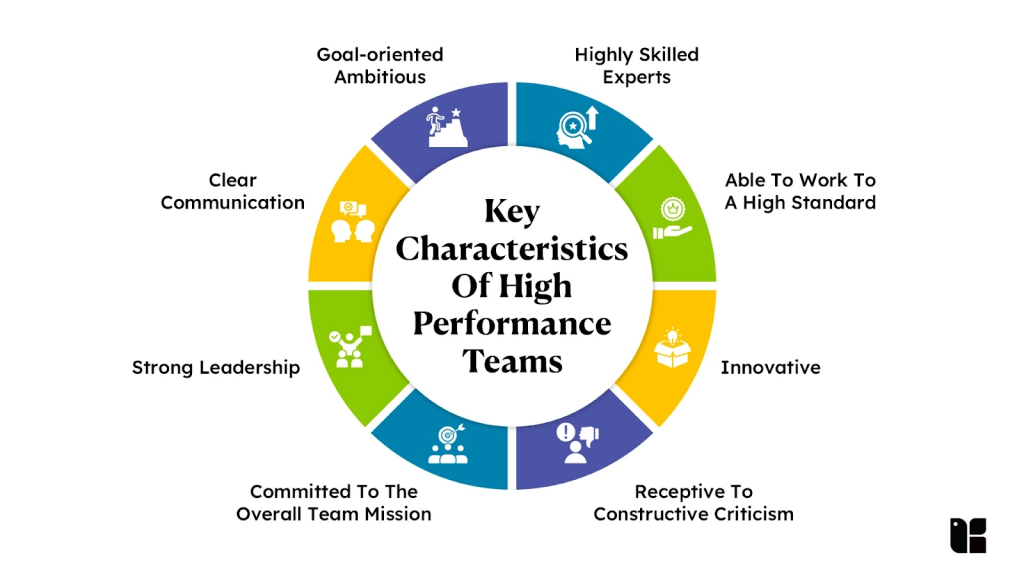
Leadership teams face complex challenges. Competing priorities, limited resources, and high expectations can make improvement efforts feel overwhelming. The Benchmarks of Quality provides a clear framework that brings focus and structure to this work. By emphasizing systems rather than individuals, the BoQ reduces blame and increases collaboration. It helps teams align their efforts, clarify roles, and build shared responsibility for outcomes. Over time, this leads to stronger implementation and more consistent results. Leadership teams that use The Benchmarks of Quality regularly often report clearer communication, better planning, and greater confidence in their decisions.
Common Challenges When Using The Benchmarks Of Quality
While The Benchmarks of Quality is a powerful tool, it is not without challenges. Some teams struggle with finding time to complete the assessment thoughtfully. Others may find it difficult to reach consensus or confront areas of weakness. These challenges are normal. Addressing them openly strengthens the process. Scheduling dedicated time, establishing norms for discussion, and focusing on improvement rather than perfection can make the experience more productive.
Best Practices For Successful Use
- To get the most out of The Benchmarks of Quality, leadership teams should approach it as an ongoing process rather than a one-time task. Completing the assessment regularly, typically every six to twelve months, helps track progress and maintain focus.
- Teams should also connect BoQ results to broader strategic planning efforts. When the assessment informs budgeting, professional development, and policy decisions, it becomes a central tool for system improvement rather than an isolated activity.
FAQs on The Benchmarks of Quality
What Is the Purpose of the Benchmarks of Quality?
The Benchmarks of Quality helps leadership teams evaluate how well their systems support high-quality implementation and identify priorities for improvement.
Who Should Complete the Benchmarks of Quality?
It should be completed collaboratively by the leadership team responsible for guiding and supporting implementation efforts.
Is The Benchmarks of Quality Only for Education Settings?
While commonly used in education and early childhood systems, the framework can be adapted for other organizations implementing evidence-based practices.
What Makes the Benchmarks of Quality Different from Other Assessments?
It focuses on systems and processes rather than individual performance and directly connects assessment results to action planning and sustainability.