
Preschoolers often face their first real interactions with their peers, and with that comes the inevitable challenge of conflict. Whether it’s a disagreement over toys, space, or misunderstandings, learning how to resolve conflicts is a vital skill that preschoolers need to develop. The Solution Kit: Helping Preschoolers Resolve Peer Conflicts is a powerful tool designed to support both children and adults in managing these everyday challenges. This guide provides age-appropriate strategies that help children navigate their emotions and find peaceful solutions to conflicts. Using these techniques, teachers and parents can equip preschoolers with the necessary skills to understand their feelings, communicate effectively, and resolve disputes with empathy and cooperation. When preschoolers are equipped with the right tools, resolving conflicts becomes an opportunity for growth and learning. The Solution Kit offers a variety of strategies that are easy for young children to grasp while being practical for adults to implement. By using this approach, educators and parents can foster emotional intelligence and social skills in preschoolers, helping them manage disagreements in a constructive way. The Solution Kit is designed to be both effective and fun, turning conflict resolution into an engaging experience that benefits everyone involved.
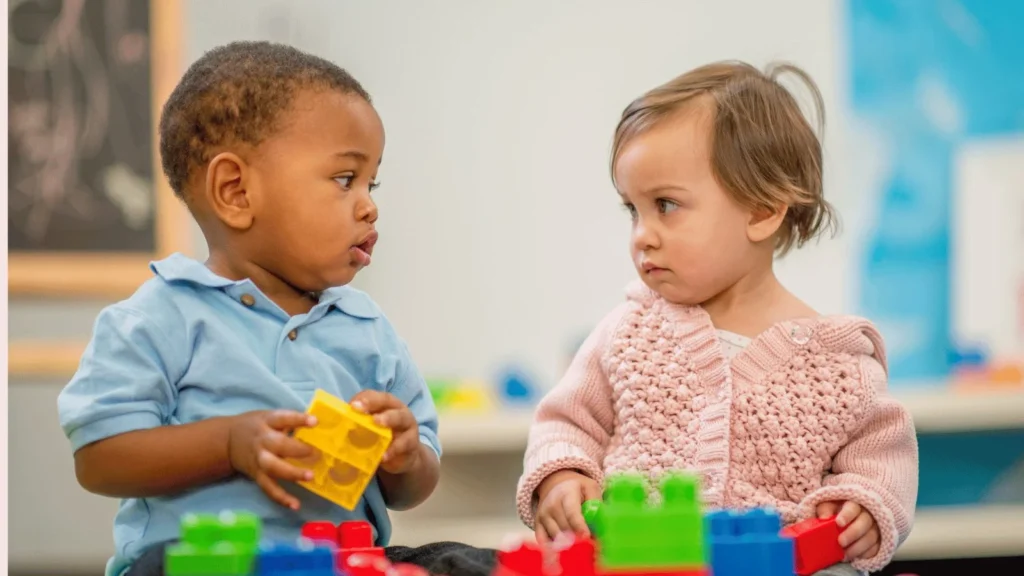
The Solution Kit helps preschoolers learn essential conflict resolution skills by using age-appropriate activities and resources. At its core, the kit emphasizes communication, empathy, and cooperation key skills that children need to manage disputes and build positive relationships. The goal is to teach preschoolers how to express their feelings, listen to others, and work together to solve problems. This approach not only prevents conflicts from escalating but also promotes peaceful interactions among children, creating a healthier social environment in schools and homes. By incorporating simple yet effective strategies into everyday situations, the Solution Kit guides preschoolers toward resolving conflicts in ways that promote emotional well-being. With tools like role-playing exercises, empathy-building activities, and guided discussions, children can practice these skills in a safe and supportive setting. Over time, these lessons help them internalize the importance of communication, cooperation, and understanding in resolving disputes. Educators and parents are encouraged to play an active role in modeling these behaviors, ensuring that preschoolers understand how to apply conflict resolution techniques in real-life situations.
Table of Contents
The Solution Kit
| Key Feature | Description |
|---|---|
| Conflict Resolution Strategies | Provides age-appropriate methods for resolving conflicts, focusing on communication and cooperation. |
| Empathy Building Activities | Encourages understanding others’ feelings and perspectives to promote kindness and sharing. |
| Role-Playing Exercises | Uses pretend play scenarios to help children practice conflict resolution in a safe environment. |
| Guided Discussions | Helps children articulate their feelings and think critically about their actions and reactions. |
| Teacher and Parent Involvement | Guides adults in supporting children’s conflict resolution efforts through modeling and feedback. |
Conflicts are a natural part of life, especially for preschoolers who are just learning how to interact with others. However, with the right tools, these conflicts can become valuable opportunities for growth and development. The Solution Kit offers a comprehensive approach to teaching preschoolers how to manage disagreements in a healthy, constructive way. By focusing on communication, empathy, and cooperation, the kit empowers children to resolve conflicts in a way that promotes emotional intelligence and positive relationships. With the support of teachers and parents, preschoolers can learn the skills they need to handle conflicts effectively, setting the foundation for healthy social interactions throughout their lives.
Conflict Resolution Strategies for Preschoolers
- The Solution Kit is built on the idea that young children can learn to resolve conflicts in positive and constructive ways. At its heart, conflict resolution for preschoolers is about teaching them how to express their feelings and understand those of others. By using specific strategies like “I feel” statements and encouraging open dialogue, children can be guided to manage their emotions in a way that helps avoid arguments from escalating.
- One key strategy is to encourage children to talk about their feelings instead of resorting to physical actions or shouting. Simple phrases like “I feel upset when you take my toy” help children label their emotions, which is the first step in learning how to resolve disputes peacefully. Additionally, preschoolers are taught how to listen to others’ perspectives. This encourages empathy, helping children understand why their peers might feel hurt or frustrated, ultimately leading to solutions that satisfy everyone involved.
- Teaching preschoolers to use communication as a tool for conflict resolution also involves modeling good communication behavior. Educators and parents should consistently demonstrate how to express emotions calmly and listen attentively. By practicing these skills, preschoolers will begin to mirror these behaviors in their own interactions. This is crucial because the ability to express oneself without anger or frustration is a foundation for resolving conflicts in a healthy way.
Empathy Building Activities: Encouraging Understanding
- Empathy is an essential part of conflict resolution. The Solution Kit focuses on building empathy through various activities that help preschoolers step into the shoes of others. By learning how to recognize and understand different emotions, children become more attuned to the feelings of their peers. This not only helps prevent conflicts from escalating but also encourages children to be more considerate and caring.
- One popular activity in the Solution Kit involves storytelling. Preschoolers are encouraged to listen to stories about characters who experience emotions such as sadness, anger, or frustration. Afterward, they can discuss how the characters might feel and what they could do to help. This activity promotes understanding and emotional awareness, helping children to relate to others’ feelings in their own lives. By incorporating empathy-building activities into daily routines, educators and parents can foster a more compassionate and understanding environment for children to thrive.
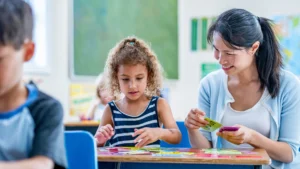
- Another activity that supports empathy-building is the use of “emotion cards.” These cards display various facial expressions, and children are asked to identify the emotions being expressed. By recognizing these emotions, preschoolers learn to understand how others might be feeling. This can be particularly helpful in situations where children may not fully understand the impact of their actions on others.
Role-Playing Exercises: Practicing Conflict Resolution
- Role-playing is one of the most effective methods in the Solution Kit for teaching conflict resolution skills. By acting out real-world scenarios, preschoolers can practice the skills they’ve learned in a safe, controlled environment. For instance, children can take on different roles in a conflict situation, such as one child playing the role of someone whose toy was taken and another playing the child who took the toy. The goal is to work together to solve the problem peacefully, using the communication strategies and empathy-building techniques they’ve been taught.
- Role-playing not only helps children practice conflict resolution but also builds confidence. As children act out scenarios, they begin to see how they can apply the skills they’ve learned in real-life situations. The Solution Kit emphasizes that with enough practice, these skills will become second nature, enabling preschoolers to handle conflicts independently and successfully in the future.
- For example, a teacher might present a scenario where two children want the same toy. One child might play the role of a toy owner, while the other plays the role of a child who wants the toy. They can then work together to figure out a solution, such as taking turns or finding another toy to play with. This process reinforces the importance of sharing, taking turns, and being considerate of others’ needs.
Guided Discussions: Teaching Children to Express Feelings
- An important part of the Solution Kit is guiding children through discussions where they can express their feelings and reflect on their actions. These guided discussions are a great way for preschoolers to learn how to communicate their emotions clearly and understand the emotions of others. Educators and parents can use open-ended questions to prompt discussions, such as “How did that make you feel?” or “What do you think your friend felt when that happened?”
- Through these conversations, preschoolers learn to articulate their feelings in a constructive way. Instead of bottling up their emotions, they gain the confidence to express themselves, which is key to resolving conflicts in a positive manner. This process also helps children become more aware of their own emotional responses, which contributes to their overall emotional intelligence.
- For example, after a conflict has been resolved, teachers can guide children through a debriefing session, asking them to share what they learned and how they felt during the situation. This not only reinforces the conflict resolution strategies but also gives children an opportunity to reflect on their actions and consider how they can improve in the future.
Teacher and Parent Involvement: Supporting Conflict Resolution
- While the Solution Kit provides children with the tools they need to resolve conflicts, the involvement of teachers and parents is essential for success. Adults play a critical role in modeling the behavior they want to see in children. Teachers and parents are encouraged to use the same language and strategies as the kit to reinforce the lessons children are learning. By doing so, they create a consistent approach that helps children internalize the skills necessary for conflict resolution.
- Additionally, teachers and parents are encouraged to offer positive feedback when children use conflict resolution techniques. Praise for handling disagreements peacefully not only boosts the child’s confidence but also reinforces the importance of using these skills in the future. By being actively involved in the process, adults ensure that the lessons taught through the Solution Kit are applied both in the classroom and at home.
- Another way adults can support conflict resolution is by observing and intervening when necessary. Teachers and parents should be proactive in identifying potential conflicts before they escalate, providing guidance and support as needed. This can help prevent situations from becoming more complicated and ensure that children continue to feel supported as they learn to resolve conflicts independently.
As educators and parents, it’s important to be patient and consistent in using the Solution Kit’s strategies. With enough practice and guidance, preschoolers will develop the skills to navigate conflicts with confidence and empathy, building stronger relationships with their peers and learning valuable life lessons along the way.
FAQs on The Solution Kit
What is the Solution Kit for preschoolers?
The Solution Kit is a collection of strategies and activities designed to help preschoolers resolve conflicts in a healthy and constructive way. It focuses on teaching young children essential skills like communication, empathy, and cooperation, which can help prevent disputes from escalating and promote positive interactions.
How can role-playing help preschoolers resolve conflicts?
Role-playing allows preschoolers to act out real-world conflict scenarios in a controlled environment. By practicing how to handle disagreements and use conflict resolution techniques, children gain confidence in applying these skills in actual situations.
What are some conflict resolution strategies for preschoolers?
Some common conflict resolution strategies for preschoolers include teaching them to express their feelings using “I feel” statements, encouraging active listening, and promoting cooperation.
Why is empathy important for conflict resolution in preschoolers?
Empathy is crucial because it allows preschoolers to understand and share the feelings of others. When children are taught to empathize with their peers, they are more likely to cooperate and find mutually beneficial solutions to conflicts.