The Candles Home Fragrance Specialists Warn May Affect Your Skin
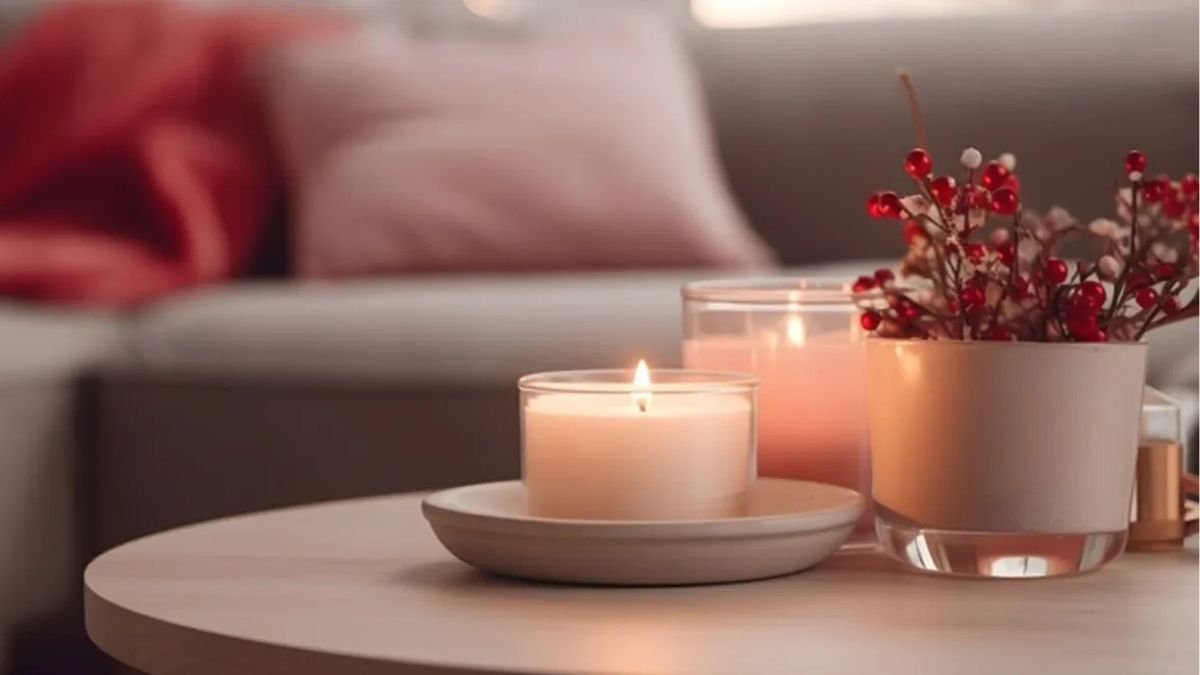
Candles have become a staple in modern homes. Whether used to create a cozy atmosphere, add a pleasant scent to a room, or simply help people relax after a long day, they are often seen as harmless lifestyle accessories. However, home fragrance specialists and wellness experts are increasingly encouraging consumers to pay closer attention to the ingredients used in some candles. While lighting a candle occasionally is unlikely to cause significant issues, certain products may release substances into the air that can affect indoor air quality and potentially contribute to skin irritation or premature skin aging over time. Here is a quick review of the key factors experts say every candle lover should know.
Why Candle Ingredients Matter More Than You Think
Many people choose candles based on scent, appearance, or brand reputation without checking the ingredient list. However, experts emphasize that the materials used in candle wax, fragrance oils, and wicks can influence what is released into the air when the candle burns. Since our skin is constantly exposed to our indoor environment, pollutants and airborne irritants may indirectly affect skin health. Understanding what goes into a candle is the first step toward making healthier choices for both your home and your skin.
Paraffin Wax Is Often the Main Concern
One of the most discussed candle ingredients is paraffin wax. Paraffin is a petroleum byproduct commonly used because it is affordable and holds fragrance well. Some specialists suggest that when paraffin candles burn, they may release small amounts of compounds that contribute to indoor air pollution. While occasional exposure is generally considered low risk, frequent use in poorly ventilated spaces may increase the amount of airborne particles in your home. For individuals who are particularly sensitive to environmental stressors, this may contribute to skin irritation or dryness.
Artificial Fragrances Can Trigger Sensitivities
The scent of a candle is often what attracts buyers, but not all fragrances are created equally. Some candles contain synthetic fragrance blends that may include chemicals capable of triggering allergies, headaches, or skin sensitivities in certain individuals. Home fragrance specialists recommend being cautious with heavily scented candles, especially if you notice irritation after prolonged exposure. Choosing products with transparent ingredient labeling can help reduce unnecessary exposure to potentially irritating compounds.
Indoor Air Quality Directly Affects Skin Health
Many people associate skin aging only with sun exposure and skincare habits, but indoor air quality also plays an important role. Airborne pollutants can create oxidative stress, a process that may contribute to the breakdown of collagen and the appearance of fine lines over time. While candles alone are rarely the sole cause of skin aging, specialists point out that repeated exposure to indoor pollutants from multiple sources can have a cumulative effect on overall skin wellness.
Poor Ventilation Increases Potential Risks
Even high-quality candles should be used in well-ventilated spaces. When candles burn in small, enclosed rooms with limited airflow, smoke particles and fragrance compounds can accumulate more easily. This not only affects the air you breathe but may also settle on surfaces, including your skin. Opening windows occasionally or allowing fresh air to circulate can significantly reduce the concentration of indoor pollutants and create a healthier environment.
Soot Production Should Never Be Ignored
A candle that produces excessive black soot may indicate incomplete combustion. Specialists often recommend paying attention to the area around the candle jar and nearby walls. Excess soot can release fine particles into the air that contribute to indoor pollution. Keeping candle wicks trimmed and choosing well-made products can help reduce soot production and improve the overall burning experience.
Natural Wax Alternatives Are Growing in Popularity
As consumers become more conscious about indoor wellness, many are turning to candles made from soy wax, coconut wax, or beeswax. These alternatives are often marketed as cleaner-burning options and may produce less soot compared to traditional paraffin candles. While no candle is entirely emission-free, many fragrance experts view natural wax options as a preferable choice for those seeking a more environmentally friendly and potentially gentler indoor fragrance experience.
The Importance of High-Quality Wicks
The wick may seem like a small detail, but it can significantly influence how a candle burns. Poor-quality wicks can contribute to uneven burning, excessive smoke, and increased soot production. Reputable candle manufacturers typically use carefully designed wicks that promote cleaner combustion. When shopping for candles, choosing trusted brands that disclose their materials can help ensure a safer and more enjoyable experience.
Reading Labels Can Help You Make Better Choices
Experts encourage consumers to become more informed by reading candle labels and researching manufacturers. Look for brands that provide clear information about wax type, fragrance ingredients, and wick materials. Transparency often reflects a company's commitment to quality and consumer safety. While no product is perfect, informed purchasing decisions can help minimize exposure to unnecessary irritants and support a healthier indoor environment.
Balance and Moderation Are Key
The good news for candle enthusiasts is that enjoying candles does not necessarily mean compromising your skin health. Specialists generally agree that moderation, proper ventilation, and thoughtful product selection are the most effective ways to reduce potential concerns. Choosing high-quality candles, limiting excessive burning time, and maintaining good airflow can allow you to enjoy the comforting atmosphere candles create while supporting healthier indoor living conditions.
Final Thoughts
Candles continue to be a beloved part of home décor and self-care routines, but growing awareness about indoor air quality has encouraged many people to take a closer look at the products they bring into their homes. Home fragrance specialists suggest that certain candles—particularly those made with lower-quality materials or heavy synthetic fragrances—may contribute to environmental factors that affect skin comfort and appearance over time. Fortunately, making informed choices is easier than ever. By selecting cleaner-burning candles, improving ventilation, and paying attention to ingredient transparency, you can enjoy the warmth and ambiance of candlelight while creating a healthier environment for both your home and your skin.
Related News