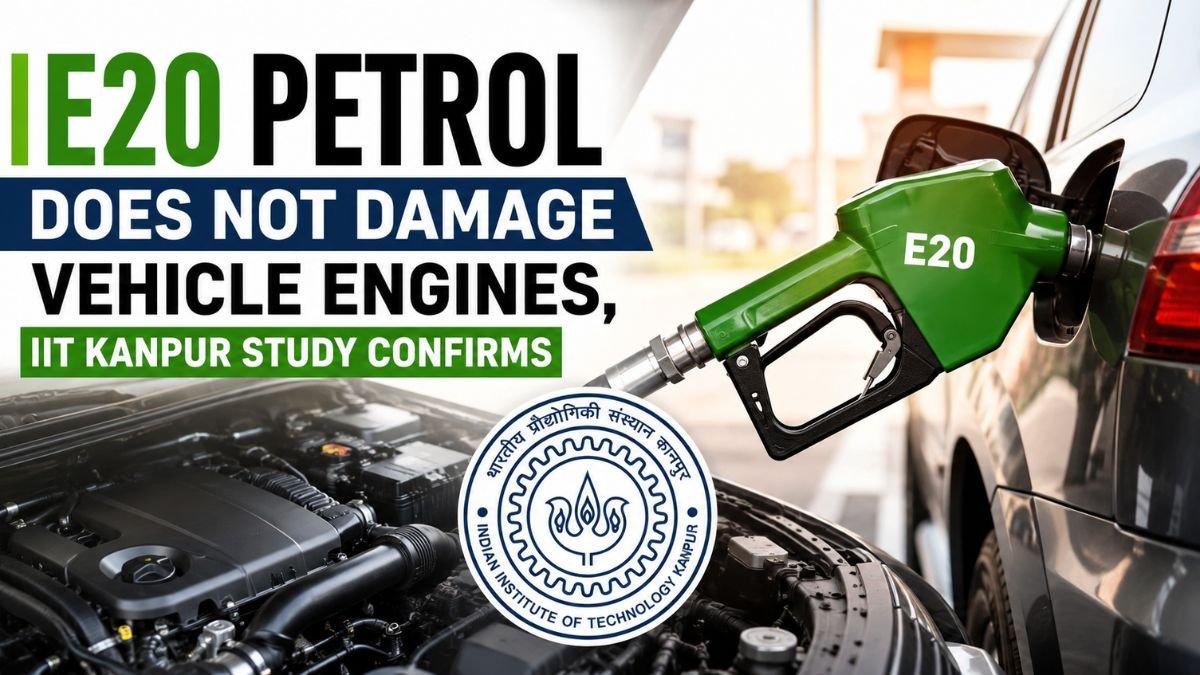
E20 Petrol Does Not Damage Vehicle Engines, IIT Kanpur Study Confirms
The government is continuously taking steps to increase the ethanol content in petrol in India. As part of this initiative, E20 petrol—a blend of 20% ethanol and 80% petrol—is being gradually rolled out across the country. However, many vehicle owners wonder whether using E20 petrol is safe for their engines or if it might affect the engine's lifespan.
A recent study conducted by researchers at IIT Kanpur has largely dispelled these concerns. The study indicates that E20 petrol does not damage a vehicle's engine, provided the manufacturer's recommendations are followed. Automobile experts have also endorsed this conclusion.
What exactly is E20 petrol?
E20 petrol is a fuel blend consisting of 20 percent ethanol and 80 percent regular petrol. Ethanol is primarily produced from sugarcane, maize, and other agricultural products. It is a renewable fuel aimed at reducing dependence on petrol and benefiting the environment.
What did the IIT Kanpur study reveal?
Researchers at IIT Kanpur studied the impact of E20 petrol under various conditions. The research found that modern engines designed with E20 fuel in mind experience no negative impact on performance. During normal use, engine efficiency, temperature, and performance remain balanced.
Auto experts also concur
Automobile experts state that there are several misconceptions among the public regarding E20 petrol. They believe that if a vehicle manufacturer has certified it as E20-compatible, using this fuel is completely safe. With regular servicing and proper maintenance, there is no likelihood of placing additional strain on the engine.
Is it safe for older vehicles too?
This is the most frequently asked question. The answer depends on the vehicle's model and year of manufacture. Many new vehicles are already E20-compatible, whereas some older models may not be fully equipped for it. Therefore, vehicle owners should consult their car or bike's user manual or the manufacturer's recommendations.
How does it affect engine performance?
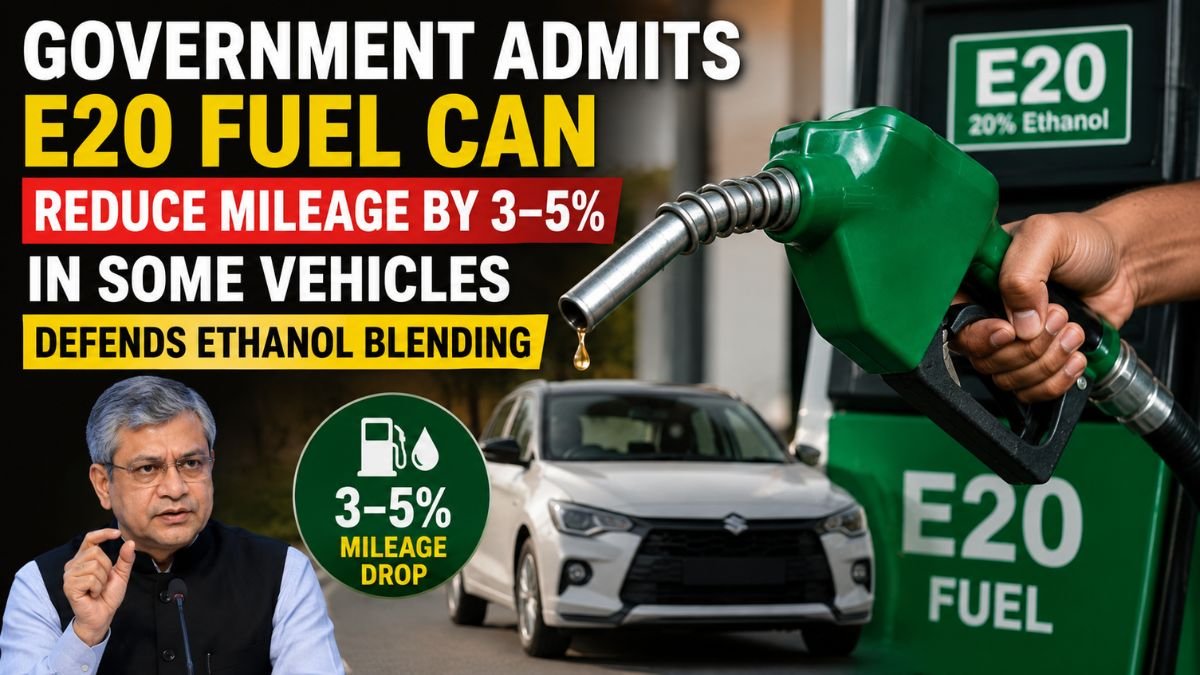
According to studies, there is no significant difference in engine performance when using E20 petrol under normal driving conditions. Acceleration, smoothness, and engine response remain comparable to those with regular petrol. While there might be a slight variation in mileage in some cases, the difference is not substantial.
Why is it a better option for the environment?
The primary advantage of E20 petrol is that it helps reduce carbon emissions. Ethanol is considered a clean fuel, capable of lowering the emission of harmful gases. Furthermore, it is viewed as a significant step towards reducing dependence on fossil fuels and promoting clean energy.
Benefits for farmers and the national economy
Ethanol is produced from agricultural crops, providing farmers with an additional market for their produce. Additionally, it can help India reduce its expenditure on crude oil imports, potentially having a direct positive impact on the national economy.
What should vehicle owners keep in mind?
If your vehicle is E20-compatible, you can use this fuel without concern. However, regular servicing, timely engine oil changes, and adherence to the manufacturer's maintenance schedule are essential. If your vehicle is older and not certified for E20, it is advisable to consult an authorized service center first.
Misconceptions about E20 petrol
Claims often circulate on social media and the internet suggesting that E20 petrol damages the engine or shortens its lifespan. However, available scientific studies and expert opinions do not support this claim. Using E20 petrol in vehicles equipped with the appropriate technology is considered safe. Therefore, instead of relying on rumors, one should focus on official information.
Will E20 petrol become the new standard fuel in the future?
The Government of India is rapidly advancing its ethanol blending program. The use of E20 petrol is likely to become more widespread in the coming years. Vehicle manufacturers are also developing engines designed to perform optimally with E20 fuel. Consequently, this fuel could well become a standard feature of the Indian automobile market in the future.
Conclusion
Studies by IIT Kanpur and the opinions of automotive experts clarify that E20 petrol is safe for modern, E20-compatible vehicles. No concrete scientific evidence has emerged to substantiate claims that it causes engine damage. Moreover, this fuel supports several critical objectives, such as environmental conservation, increasing farmers' income, and reducing the country's dependence on fuel imports
If your vehicle is compatible with E20, you can use it without unnecessary concern. However, adhering to the vehicle manufacturer's guidelines before using any new fuel remains the safest and most prudent course of action.
Related News