Japanese Laundry Secrets: The Fabric Softener Alternative That's Better for Skin
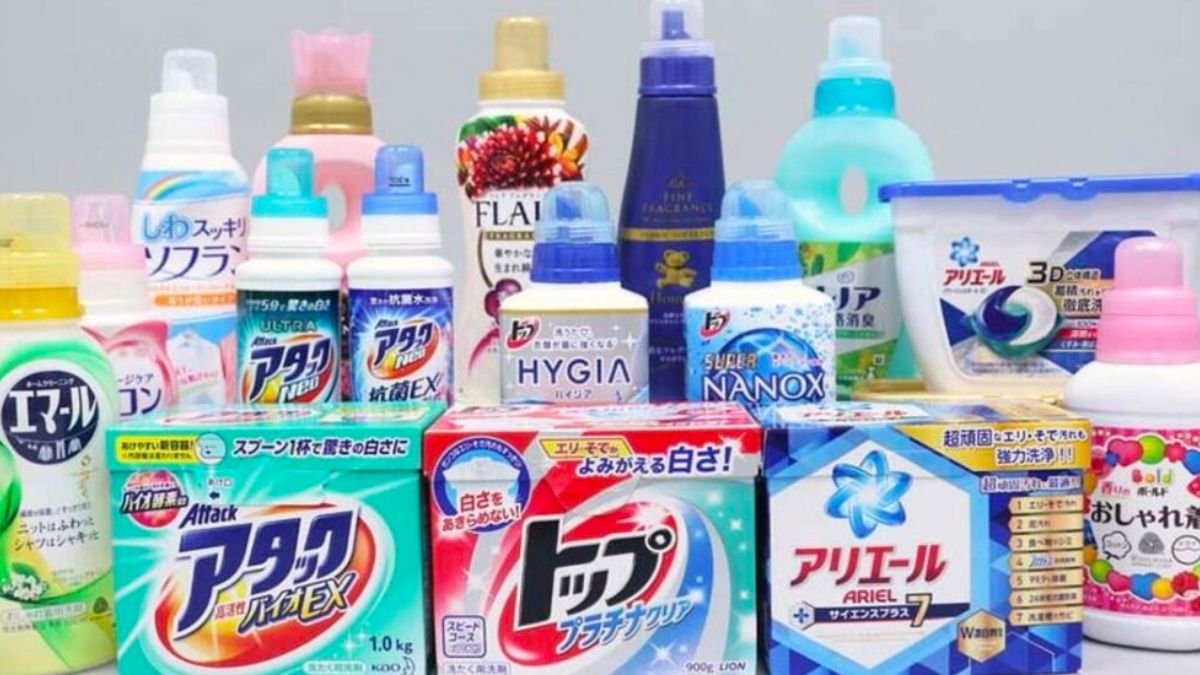
For decades, fabric softener has been a staple in laundry rooms around the world. Many people use it to make clothes feel softer, reduce static, and add a pleasant fragrance. However, in Japan, many households take a different approach. Instead of relying heavily on fabric softeners, they often prefer simpler and gentler laundry practices that focus on cleanliness, fabric care, and skin health. This unique approach has gained attention worldwide, especially among people with sensitive skin.
If you've ever wondered why many Japanese families avoid traditional fabric softeners and what they use instead, this quick review explores the reasons behind this trend and the alternative that is becoming increasingly popular.
The Japanese Preference for Simplicity
Japanese culture often values simplicity and practicality in daily life. This philosophy extends to household chores, including laundry. Rather than using multiple products for every wash cycle, many Japanese households prefer a streamlined routine that minimizes unnecessary chemicals. The goal is not just clean clothes but also maintaining the quality of fabrics and reducing exposure to ingredients that may irritate the skin.
This practical mindset has encouraged many families to question whether fabric softener is truly necessary and to seek gentler alternatives.
Concerns About Skin Sensitivity
One of the biggest reasons some Japanese households avoid fabric softener is concern for skin health. Traditional fabric softeners often contain fragrances, preservatives, and chemical compounds designed to coat fabric fibers. While these ingredients can make clothing feel softer, they may also cause irritation for people with sensitive skin.
Children, elderly family members, and individuals with allergies are particularly vulnerable to reactions from heavily scented laundry products. By reducing the use of fabric softeners, families can lower the risk of skin discomfort and maintain a more skin-friendly environment.
The Hidden Residue on Clothing
Many consumers are surprised to learn that fabric softeners work by leaving a thin coating on clothing fibers. This coating creates the soft texture people enjoy, but it can also trap residue over time. Some Japanese laundry experts believe that excessive buildup may affect the breathability of fabrics and reduce their natural absorbency.
For items such as towels, sportswear, and baby clothes, maintaining absorbency is often considered more important than achieving extra softness. This is another reason many households choose alternatives that do not leave behind heavy residues.
A Focus on Fabric Longevity
Japanese consumers are known for taking excellent care of their belongings. Rather than frequently replacing clothing, many people focus on preserving garments for as long as possible. Excessive use of fabric softener can sometimes weaken specialized fabrics or reduce the effectiveness of moisture-wicking materials.
By using gentler laundry methods, households can help maintain the original performance of their clothes while extending their lifespan. This approach supports both cost savings and sustainability.
The Popular Alternative: White Vinegar
One of the most common alternatives to fabric softener is plain white vinegar. While it may sound unusual at first, vinegar has been used in laundry care for generations. Adding a small amount during the rinse cycle can help remove detergent residue, soften fabrics naturally, and reduce odors.
Unlike traditional fabric softeners, vinegar does not coat fabric fibers. Instead, it helps restore the natural feel of clothing without leaving behind chemicals that may irritate sensitive skin. The vinegar smell disappears after the clothes dry, making it a practical and affordable option.
Why Vinegar Is Better for Sensitive Skin
People with skin sensitivities often look for laundry solutions that reduce exposure to fragrances and additives. White vinegar contains no artificial perfumes and generally leaves fewer residues on clothing. As a result, fabrics come into direct contact with the skin in a more natural state.
Many users report that switching from fabric softener to vinegar helps reduce itching, irritation, and discomfort, particularly when wearing clothing for long periods. This makes vinegar an appealing option for families seeking a gentler laundry routine.
Environmental Benefits of Skipping Fabric Softener
Environmental awareness is another factor influencing Japanese laundry habits. Traditional fabric softeners can contain ingredients that contribute to water pollution and require additional manufacturing resources. By reducing dependence on such products, households can lower their environmental footprint.
Vinegar, on the other hand, is biodegradable and widely available. Using simple, multi-purpose household products aligns well with Japan's broader emphasis on waste reduction and responsible consumption.
Better Results for Towels and Athletic Wear
One common complaint about fabric softener is that it can reduce the absorbency of towels over time. Since the product coats fibers, towels may become less effective at soaking up moisture. Similarly, athletic clothing designed to wick sweat away from the body may lose some of its performance benefits.
Japanese households often prioritize functionality over fragrance. By avoiding fabric softener and using alternatives such as vinegar, they help preserve the absorbent and moisture-wicking properties of these everyday items.
Cost Savings Add Up Over Time
Another advantage of skipping fabric softener is the potential for long-term savings. Fabric softeners can become a recurring household expense, especially for larger families. White vinegar, by comparison, is inexpensive and serves multiple purposes throughout the home.
The combination of lower costs, fewer products, and effective laundry performance makes this alternative particularly attractive for budget-conscious households. It's a simple change that can save money without sacrificing cleanliness or comfort.
A Laundry Habit Worth Considering
The Japanese approach to laundry highlights an important lesson: sometimes simpler is better. While fabric softener remains popular in many countries, it is not the only way to achieve clean, comfortable clothing. By focusing on skin health, fabric performance, environmental responsibility, and practicality, many Japanese households have embraced alternatives that deliver excellent results.
For anyone struggling with skin irritation, sensitive fabrics, or excessive laundry expenses, experimenting with a fabric-softener-free routine may be worth considering. A small amount of white vinegar in the rinse cycle could provide many of the same benefits while avoiding some of the drawbacks associated with conventional softeners.
Final Thoughts
Japanese laundry habits demonstrate that effective clothing care doesn't always require a shelf full of specialized products. Their preference for simple, skin-friendly solutions offers valuable insight for modern households seeking healthier and more sustainable routines. Whether your goal is protecting sensitive skin, preserving fabric quality, or reducing household costs, the humble vinegar rinse may be a surprisingly effective alternative worth trying.
Related News